
A Recall That May Not Have Done Its Job
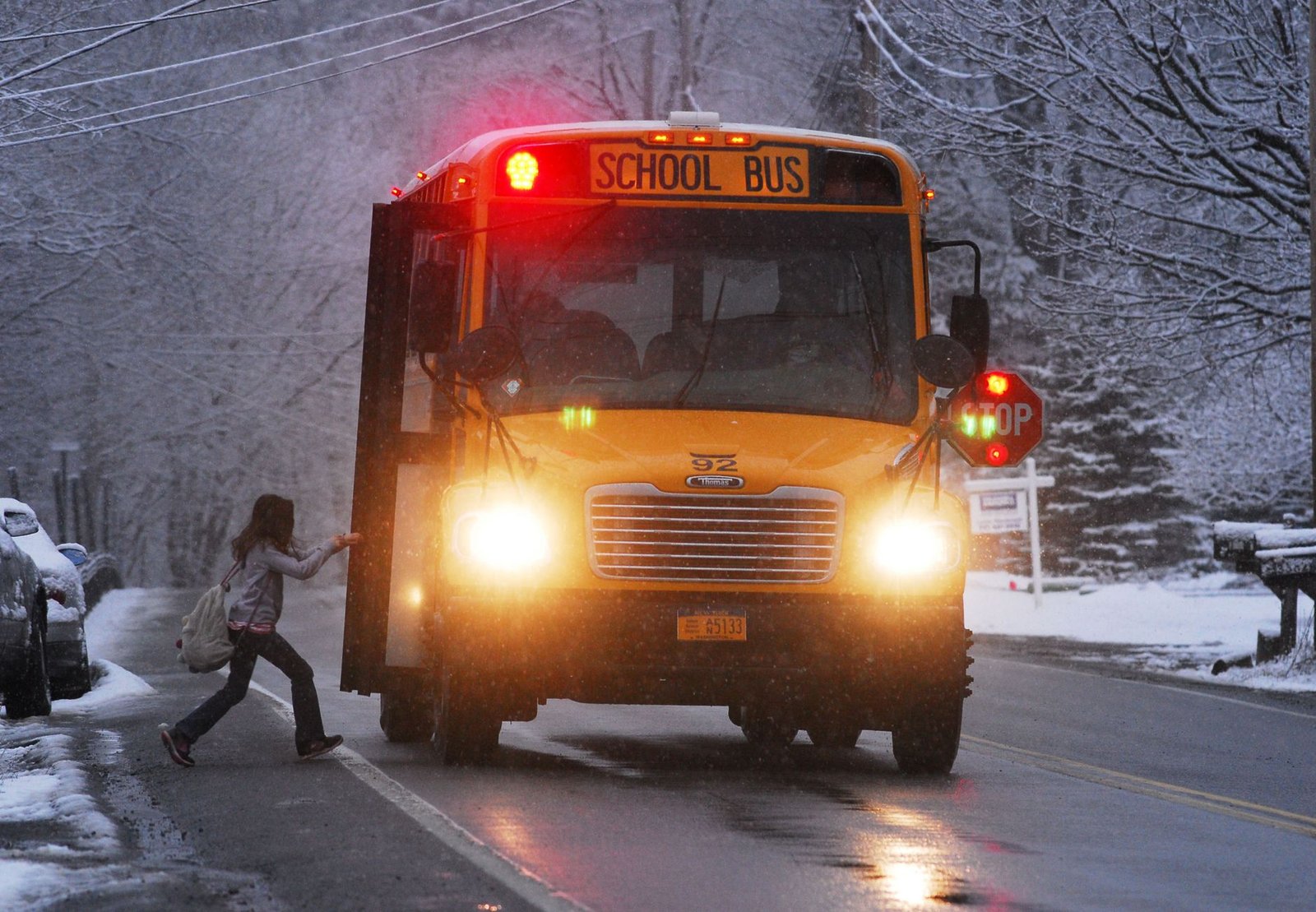
Waymo told the public it had fixed a software problem that led its robotaxis to drive past stopped school buses with their red lights flashing and stop arms extended. Now the National Highway Traffic Safety Administration is looking into whether that fix worked at all. The concern is simple but serious. Passing a stopped school bus is illegal in all 50 states because children are often boarding or leaving the bus at that moment, and a vehicle that ignores the signal puts them in danger.
According to regulatory filings, Waymo deployed a software update in mid-November and followed it with a formal voluntary recall in December. Government officials, however, say most of the incidents they reviewed happened after that date. The National Transportation Safety Board has also reported another school bus passing event in mid-January, several weeks after the supposed fix. Taken together, those findings suggest the problem did not end when the company said it did.
Waymo’s Case and Its Limits
Waymo maintains that it has made significant improvements in how its vehicles behave around school buses. A company spokesperson noted that Waymo has not been cited for passing school buses since last March, which is several months after the recall. The company also pointed to a half-day data collection event that the Austin school district helped organize, where Waymo gathered information in an empty parking lot using real buses and stop-arm signals. The goal was to train the self-driving system to recognize these situations more reliably.
That effort is worth taking seriously, and it reflects a real challenge in autonomous driving. Machine learning systems improve through examples, and rare but critical events like school bus stops are hard to capture on public roads. Still, the timing matters. The data collection happened after the software fix and recall, and incidents continued afterward. Waymo’s argument is that its system keeps learning, which is also why regulators want to know whether recall language can keep pace with software that changes over time.
Why This Matters Beyond One Company
This investigation is about more than a single fleet of robotaxis. Autonomous vehicles are moving from pilot programs into everyday city streets, and the rules for proving that a software update is effective are still being written. In past recall cases involving automakers and software developers, regulators have imposed civil penalties that ran into the tens of millions of dollars. If NHTSA concludes that the fix was inadequate, Waymo could face similar consequences, and the case may shape how future self-driving recalls are judged.
For the public, the stakes are personal. Parents, school districts, and drivers want assurance that a vehicle without a human at the wheel will stop when a bus does. Trust in robotaxis will depend less on corporate statements and more on verifiable results. For consumers and businesses weighing the adoption of driverless ride services, this episode is a useful reminder to watch how companies respond when safety problems persist. Buyers and cities deciding whether to embrace autonomous transport will increasingly look for independent oversight, transparent recall outcomes, and clear evidence that promised fixes actually work on the road.