
A Telescope Running Out of Altitude
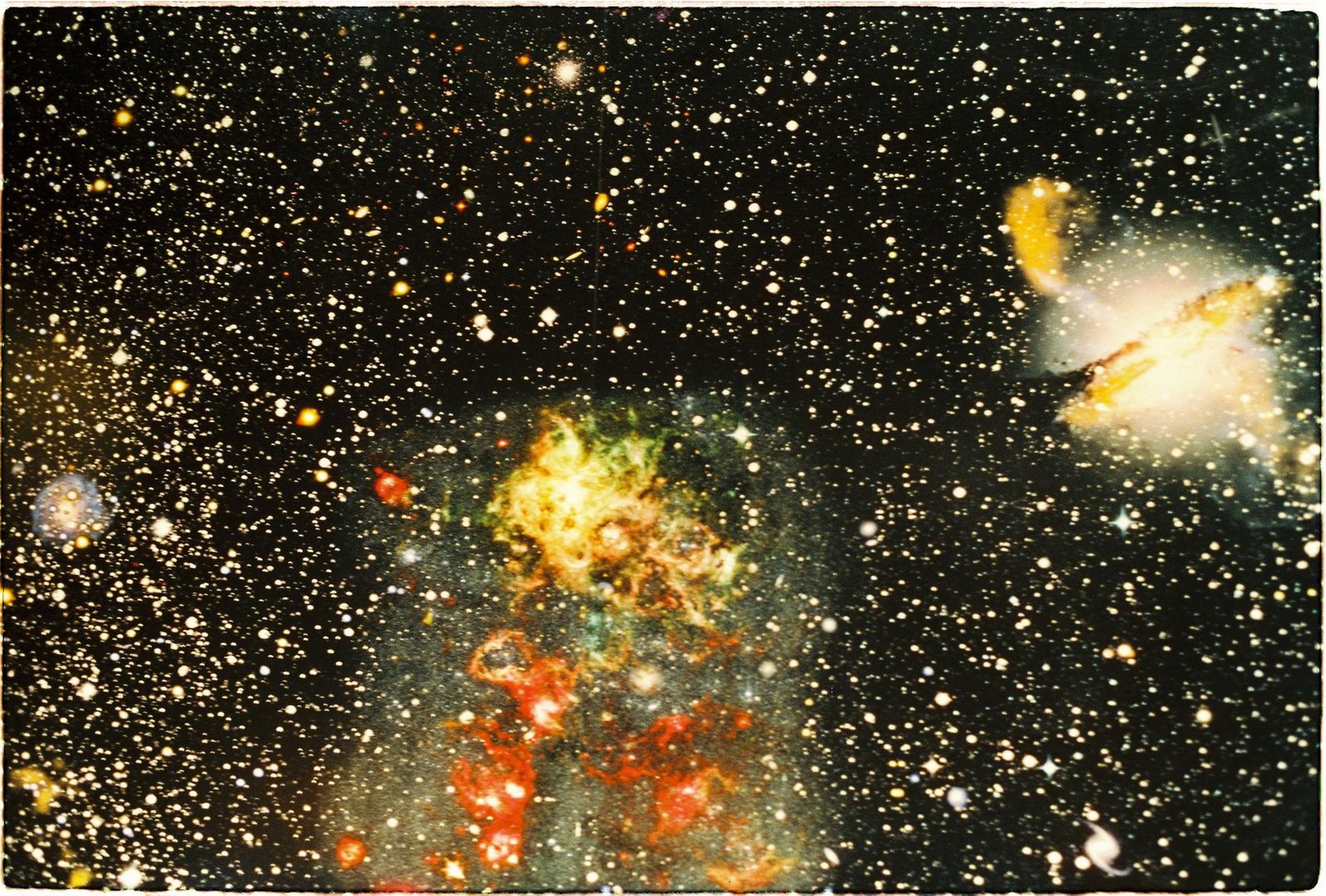
Few scientific instruments have rewritten textbooks the way the Hubble Space Telescope has. Since its launch in 1990, it has photographed distant galaxies, measured the expansion of the universe, and helped astronomers estimate the age of the cosmos. Yet the observatory has a problem that no amount of engineering brilliance can fix from the ground. Its orbit is slowly decaying, and without intervention it is expected to fall back into the atmosphere sometime in the early to mid 2030s. Hubble is not in immediate danger, but the clock is ticking.
Atmospheric drag is the culprit. At Hubble’s altitude the air is extremely thin, yet it is thick enough to steadily pull the spacecraft lower over time. Previous servicing missions, the last of which was flown by astronauts in 2009, extended the telescope’s life well beyond its original design. Now the agency faces a different kind of challenge, one that involves reaching a spacecraft that was never built to be refueled or docked with by robotic tugs.
Why NASA Is Looking Outside Its Own Walls
NASA Administrator Jared Isaacman has framed the effort around stewardship of public assets. In a statement, he argued that if innovative and cost-effective methods exist to extend the life of hardware already in orbit, the agency has an obligation to explore them. The Request for Information asks companies to describe approaches for raising Hubble’s orbit, and it remains open through November 30. The move reflects a broader shift in how the government approaches space infrastructure, relying more on a growing commercial sector that has demonstrated reusable rockets, in-orbit servicing vehicles, and satellite refueling concepts.
The stakes extend beyond nostalgia. Hubble’s successor, the James Webb Space Telescope, operates far from Earth and cannot replicate Hubble’s ultraviolet observations or its long-running visible light survey of the sky. Losing Hubble would leave a gap in continuous astronomical data that researchers have relied on for more than three decades. There is also a practical concern about uncontrolled reentry, since a large object falling from orbit must be managed carefully to protect people on the ground.
What Success Would Mean for the Private Space Market
Whatever comes of the proposals, the request signals something important about where space business is heading. Companies that once focused on launching satellites are increasingly pitching services that keep existing spacecraft working, from debris removal to life extension. A successful Hubble rescue would validate that market in a very visible way and could encourage investors to back similar ventures. It would also test whether commercial providers can meet the reliability standards demanding scientific missions require, a question that remains open.
For ordinary readers, the story is a reminder that the technology we depend on, whether satellite navigation, weather forecasting, or global internet service, relies on a crowded and aging orbital environment. As more companies launch hardware, demand for maintenance, refueling, and cleanup services will likely grow. That growth matters for consumers because it shapes which devices get built, how much they cost, and how long they remain useful. Watching how NASA and its commercial partners handle Hubble could offer an early look at the services that will eventually determine how durable and affordable space-connected gadgets become.