
Why Blood Logistics Became a Military Priority
In 2007, a US military helicopter carrying blood to a field hospital in Iraq was shot down, killing all seven crew members. The tragedy underscored a problem that has quietly shaped battlefield medicine for decades: blood is perishable, expensive to move, and frequently in short supply when it is needed most. Refrigeration is limited in forward areas, and donor-based systems depend on timing and geography that war rarely respects.
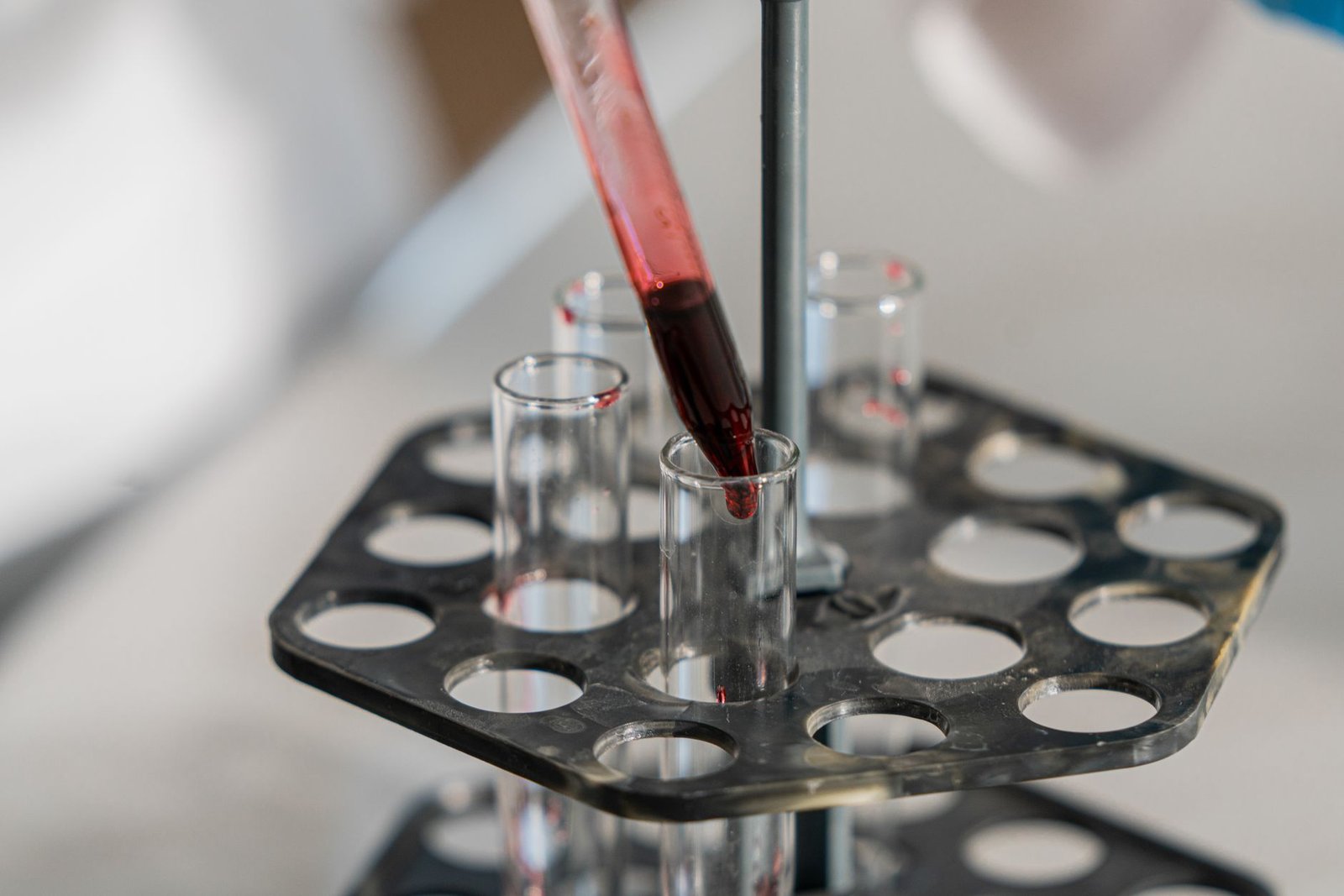
That history helps explain why the Defense Advanced Research Projects Agency is investing roughly $73 million in shelf-stable versions of plasma, platelets, and red blood cells. The goal is dried blood products that can be stored for long periods and reconstituted quickly in the field. The program targets deployment of bags of dried blood products by 2029, an ambitious timeline for a technology that still has to clear rigorous safety and efficacy hurdles.
The Hard Science Behind Dried Blood
Turning living tissue into a product that survives months or years on a shelf is far from simple. Red blood cells are fragile, and platelets lose function quickly when stressed. Researchers must preserve cell structure and biological activity through drying and rehydration, and they must prove that the reconstituted product performs safely in patients. Any synthetic or engineered alternative also raises questions about immune response, clotting behavior, and long-term effects that will require extensive clinical study.
These challenges are a reminder that promising laboratory results do not automatically translate into field-ready medicine. Civilian hospitals, disaster relief groups, and remote clinics would benefit as much as soldiers if the technology works, which is one reason the research attracts attention beyond the defense sector.
Batteries Are Racing Toward Higher Energy Density Too
A parallel story is unfolding in energy storage. WeLion New Energy, a Chinese company recognized among MIT Technology Review’s 10 Climate Tech Companies to Watch for 2026, is developing liquid-solid hybrid cells that aim to deliver greater energy density and improved safety compared with conventional lithium-ion batteries. In 2023 the company partnered with EV maker Nio on a battery pack offering a range above 1,000 kilometers, and it is now pursuing even higher capacity.
The obstacles are familiar to anyone who follows battery innovation. A lab breakthrough must be scaled into mass production without ballooning costs, and that is where many promising chemistries stall. Still, the potential payoff is substantial: lighter, safer packs could extend range for electric cars, boats, and drones while reducing fire risk, a concern that has drawn regulatory and consumer scrutiny in recent years.
What This Means for Buyers and Early Adopters
Whether the topic is a battlefield blood program or a next-generation cell, the common thread is adoption. Shoppers rarely buy a technology because of its chemistry. They buy when it becomes cheaper, safer, and more convenient than what they already own. Longer-range electric vehicles, quieter and more durable drones, and devices that hold charge for longer all depend on battery progress that moves from prototype to product. Buyers evaluating electric vehicles or portable electronics today should keep an eye on energy density claims, real-world warranty terms, and independent safety testing, because the gap between announced specifications and shipping products can be wide. Watching how these emerging technologies move from research labs into real purchasing decisions is the clearest signal of where consumer demand will head next.