
Why the Nightstand Is the Wrong Spot
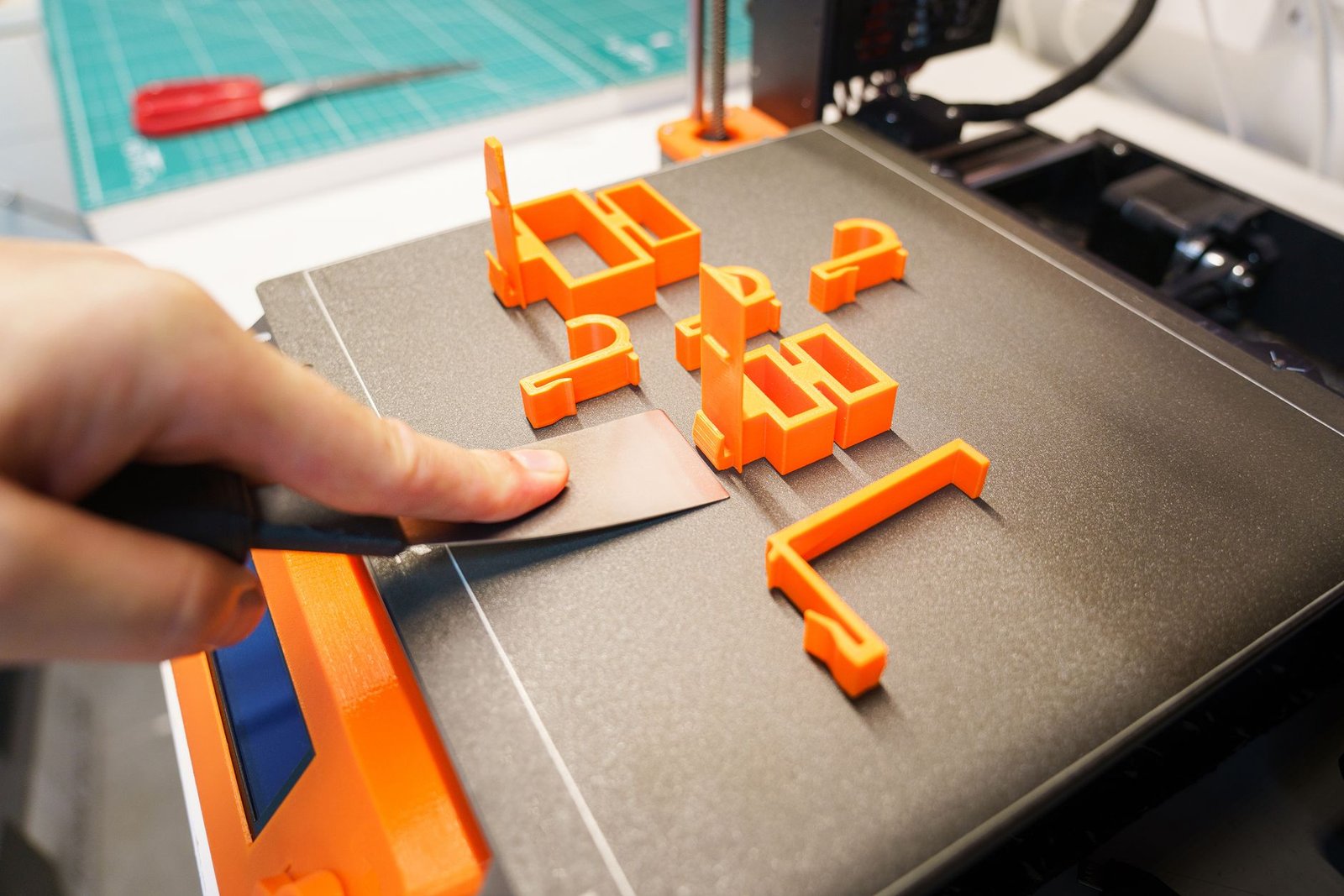
A 3D printer looks harmless sitting on a bedside table, and that quiet little machine is part of its appeal. But a print can run for many hours, and if you are sleeping or working a few feet away, you are breathing whatever the machine releases. The uncomfortable truth is that even popular PLA filament gives off airborne particles and gases when heated. For most people, that makes bedroom printing a poor choice, and a home office needs more thought than a spare corner of the desk.
Before you fall in love with a new printer, it is worth remembering that where you run it matters just as much as which models you want to make. A tidy setup with the right airflow will serve you far better than a cheap printer shoved next to your keyboard.
PLA Is Cleaner, But Not Clean
The Environmental Protection Agency notes that filament printers can release ultrafine particles that reach deep into the lungs, along with volatile organic compounds. PLA is generally considered the safer choice, and in comparisons it tends to release fewer particles than ABS. A 2026 test of 17 commercial filaments found that ABS emitted more particles than standard PLA, although results varied by brand, nozzle temperature, and additives. Lab studies have also seen inflammation-related changes in human airway cells exposed to printer emissions. Those findings do not tell us what years of home exposure will do, but they are a good reason not to treat any hot plastic as harmless.
Resin printers raise a different set of concerns. The National Institute for Occupational Safety and Health warns that uncured resin can cause skin reactions and may contribute to asthma, and handling during washing and curing adds exposure, especially when solvents are involved. If you are shopping for a resin machine, plan for gloves, good ventilation, and careful cleanup from day one.
Building a Safer Print Space
The best option is a separate room or workshop with ventilation that vents outdoors. A well-ventilated garage can work too, as long as temperature swings and humidity will not ruin your prints. Distance helps by keeping you away from the source, but it is no substitute for real airflow. An enclosure with ducted exhaust is one of the most effective upgrades for a home office, because it captures emissions near the machine instead of letting them drift across the room. An open window alone may bring in fresh air without reliably clearing out particles from the printer.
Filters can help, but they have limits. HEPA filters catch particles and activated carbon can absorb some VOCs, yet neither turns a stuffy room into a safe one. NIOSH also recommends keeping printers away from flammable materials and installing fire detection in any printing area. If none of these options fit your home, a local print shop may be the smarter move for occasional projects.
For shoppers, this news is a reminder that a 3D printer is not just a gadget purchase but a space-planning decision. Factor in an enclosure, exhaust, filters, and a dedicated area before you click buy. Doing that homework up front will help you enjoy the hobby without trading away clean air, and it keeps your tech adoption grounded in a setup you can live with every day.