
A Long Silence Over Our Nearest Planetary Neighbor
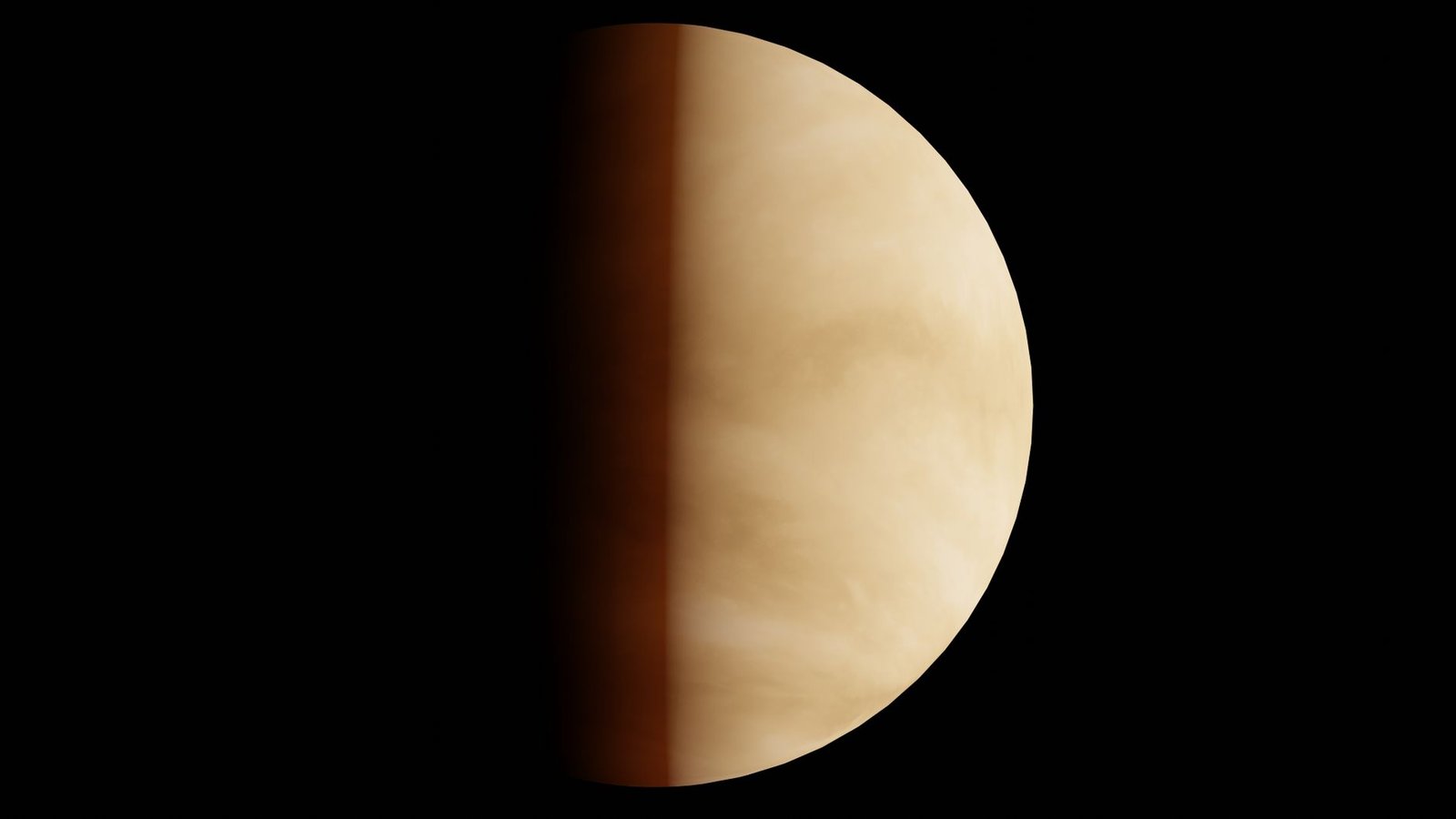
For decades, Venus has been the forgotten sibling of the solar system. It is roughly the same size as Earth and sits closer to us than any other planet, yet its surface has been mostly hidden behind a thick shroud of sulfuric acid clouds and crushing heat that can melt lead. Most planetary scientists will point to the mid-1980s as the high-water mark of Venus exploration, when Soviet landers survived just long enough to send back fragments of images. That era has been quiet for far too long, which is why the latest news feels so significant.
NASA now has two missions lined up for the early 2030s. The first, DAVINCI, which stands for Deep Atmosphere Venus Investigation of Noble gases, Chemistry, and Imaging, has been moved up to a December 2030 launch, a full year earlier than originally planned. It will send a parachute-assisted probe down through the atmosphere and return the first direct images of the surface since 1982. The second, VERITAS, is set to launch in November 2032 and will map the planet from orbit using radar, building a detailed picture of its geology and topography.
Why a Crowded Venus Matters Beyond Science Labs
What makes this moment especially interesting is that NASA will not be flying alone. The European Space Agency is developing its own orbiter, Envision, also targeting a 2032 launch. Together, these missions could transform Venus from a mystery into a well-mapped world within a single decade. Even more striking, Rocket Lab hopes to launch a privately funded probe as early as next year to search the planet’s clouds for signs of organic material. If that effort succeeds, it would mark a notable shift in which commercial players help open new frontiers in planetary science, a trend that has been gathering pace as launch costs fall and small satellite technology matures.
The science itself carries real stakes. Understanding why Venus developed a runaway greenhouse climate while Earth did not offers critical insight into planetary habitability and climate change. Mapping its surface with modern radar and imaging tools could also reveal whether the planet has been geologically active in recent history, a question that remains open after decades of speculation.
What This Means for Technology Buyers and Adopters
For readers who follow consumer technology closely, the Venus push is a reminder of how deeply the hardware in our everyday lives is shaped by the same engineering advances driving deep space work. High-temperature electronics, miniaturized sensors, advanced imaging chips, and more efficient power systems developed for missions like these tend to find their way into rugged consumer gadgets, industrial monitoring tools, and the next generation of smartphone cameras. As private companies like Rocket Lab take a larger role in space hardware, the line between a space-grade component and a commercially available product keeps blurring, and buyers may soon see that trickle-down effect in the devices they shop for each year.