


There are moments in nature filmmaking that stop you cold. A wild black panther materializing from the shadows. A baby pangolin, orphaned and fragile, attempting to climb for the very first time. A green turtle, exhausted after laying her eggs on a remote island shore, being gently carried to the water’s edge by local villagers. These are the kinds of images that remind us why wildlife storytelling still matters deeply in an age of endless content.
National Geographic’s new documentary series Africa: Earth’s Wild Home is packed with those moments, and it arrives with serious ambition behind it. The seven-episode series took four years to produce and involved filming across nearly 30 African countries. It is designed as the first installment of a much larger franchise, with future series planned to document the ecosystems of all seven continents. That is a bold, long-term commitment to natural history storytelling at a time when streaming platforms are constantly reassessing what deserves investment.
A Continent Captured in All Its Complexity
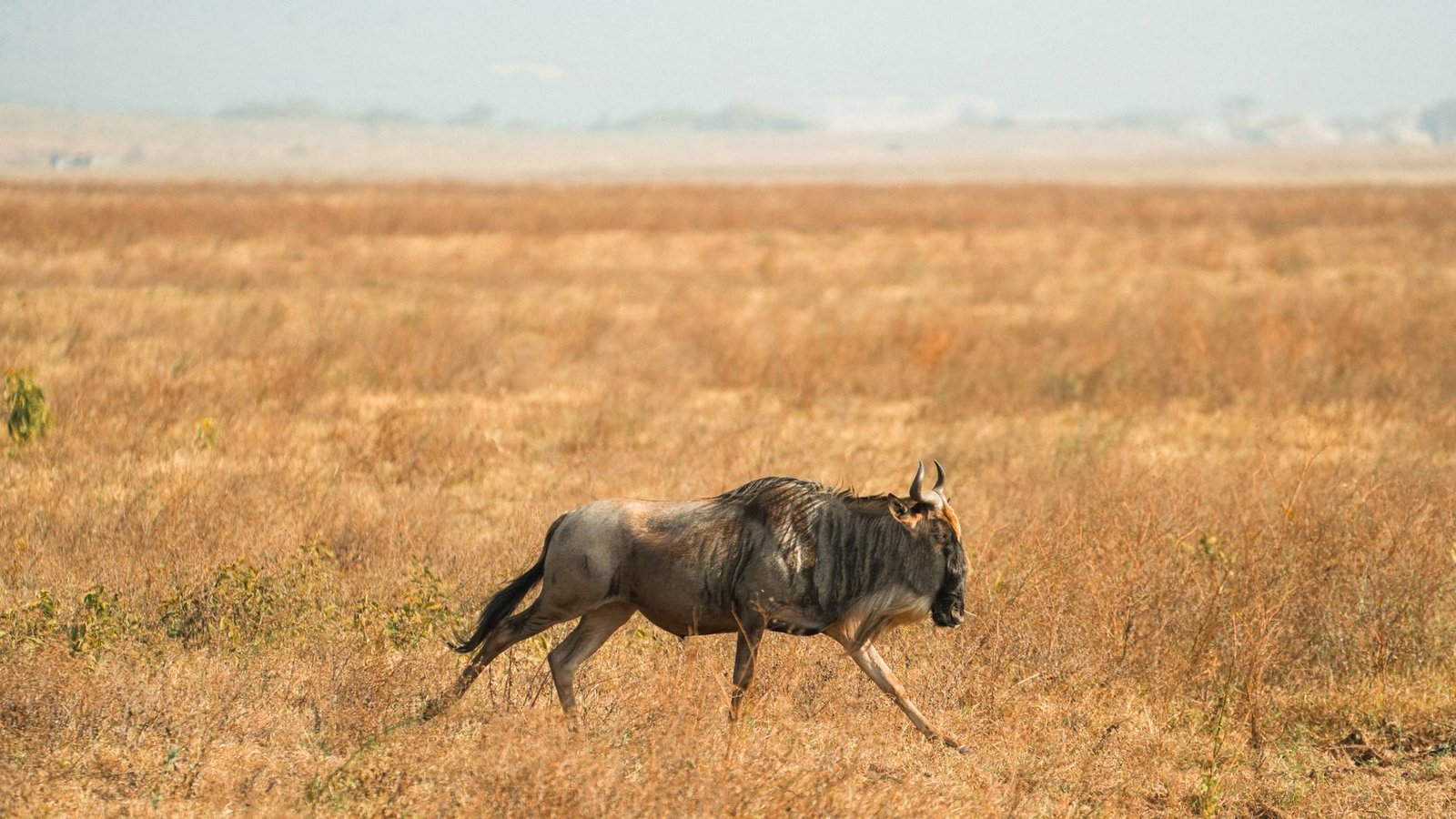
Each episode of the series dedicates itself to a distinct African ecosystem, moving from dense jungle canopies to vast desert plains, from dramatic mountain ranges to isolated island coastlines. This structure gives the series both focus and variety, allowing viewers to experience Africa not as a monolith but as a living collection of wildly different environments. One standout moment involves chimpanzees using tools to fish for algae, a rare and remarkable example of primate problem-solving behavior that researchers have only recently begun to document with any regularity.
The series also makes a deliberate editorial choice to close each episode by spotlighting the scientists, conservationists, and photographers whose fieldwork made the footage possible. The final episode goes further, centering entirely on local African conservation leaders working to protect biodiversity for future generations. It is a meaningful shift from the traditional nature documentary format, placing human stewardship of the natural world front and center rather than treating it as an afterthought.
Why the Choice of Narrator Matters Here
Wunmi Mosaku, known for her compelling performances in Sinners, Loki, and Lovecraft Country, was selected to narrate the series. Her connection to the material is personal. Born in Nigeria and raised in England, she described the opportunity as a chance to reconnect with a continent that is fundamentally part of her identity. That authenticity comes through in delivery, and it elevates the series beyond standard nature narration into something that feels genuinely felt rather than simply performed.
What This Means for Streaming and Nature Content Consumers
For consumers evaluating streaming subscriptions or smart TV upgrades, prestige nature documentaries like this one remain a powerful driver of platform loyalty. High-quality 4K nature content is consistently cited as a top reason households invest in larger displays, premium sound systems, and dedicated streaming bundles. As National Geographic expands this franchise across all seven continents, early adopters of the right home entertainment setup will be positioned to experience every release at its visual best.