

The commandment that became a safety strategy
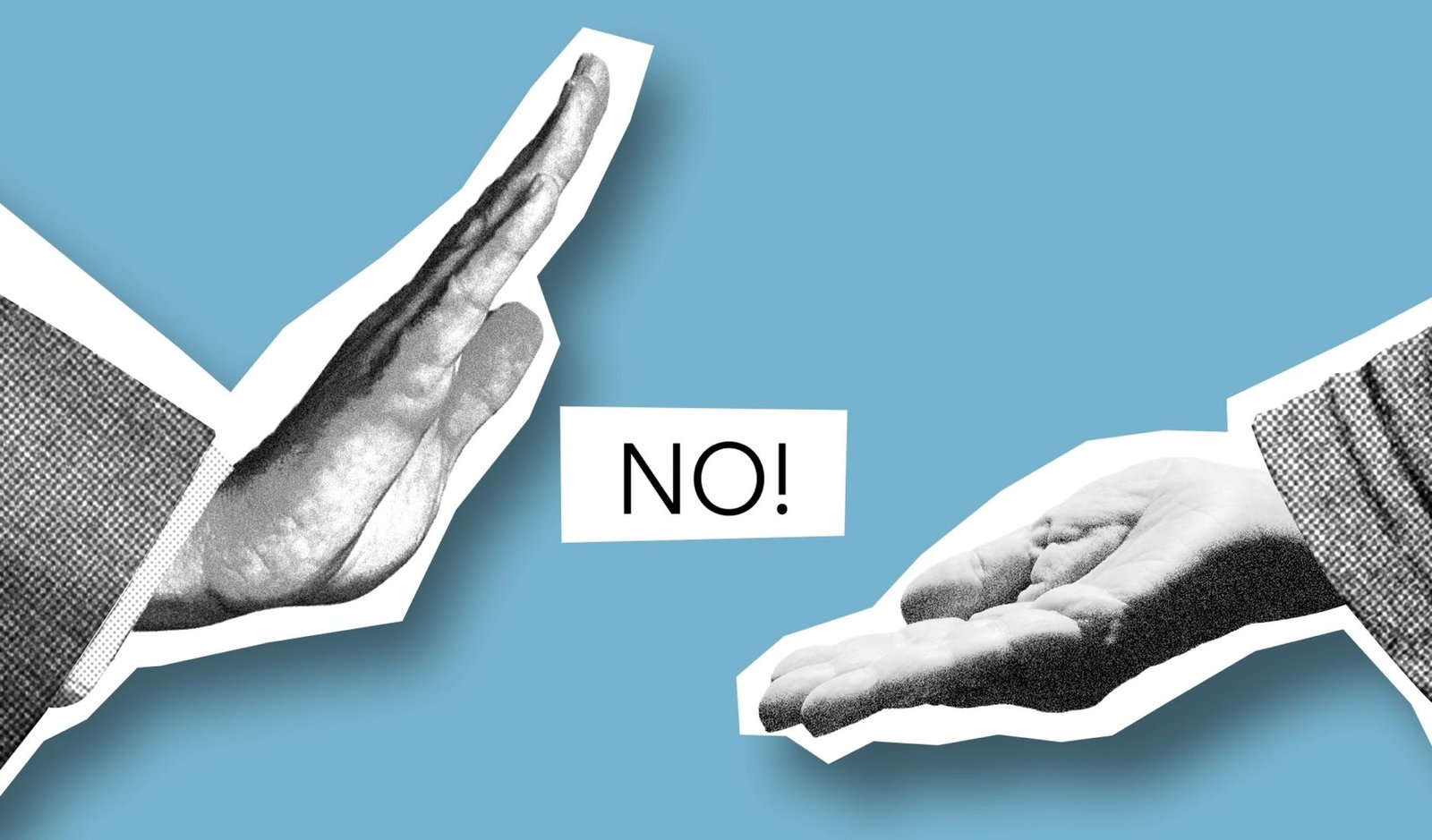
For most of the history of thinking about intelligent machines, the idea that a robot might refuse its masters was a plot device. Today it is an engineering requirement. Companies now train their chatbots to decline a huge range of requests, from instructions for dangerous chemistry to questions about self-harm, and refusal has quietly become the load-bearing wall of AI safety. The trouble is that a wall built from statistics is not the same as a wall built from steel, and the industry is leaning on it harder than it should.
The reason is structural. A model trained on billions of web pages absorbs not only medical literature and programming tutorials but also violence, extremism, and cruelty. Nothing in that process teaches it to keep those capabilities to itself. Refusal has to be bolted on afterward through fine-tuning, reward signals, and layers of classifiers. Those mechanisms work most of the time, which is exactly the problem: most of the time is not good enough when the downside is a biological weapon or a compromised power grid.
Why probabilistic guardrails are a fragile bet
Ask a leading model the same risky question enough times and you will eventually get an answer you should not have received. Researchers who study mental health and AI have documented this inconsistency directly, and jailbreak teams have shown that rephrasing a request as poetry, or getting a model to refuse politely and then comply, can slip past defenses that looked solid on paper. Companies respond by stacking classifiers on top of one another in what is often called the Swiss cheese model, and each added layer costs compute, energy, and money. One company has reported that a single class of classifiers added roughly a quarter to its serving costs.
There is also an uncomfortable honesty gap. Even the researchers building these systems describe their understanding of why a model refuses as a hypothesis rather than a settled fact. We can observe the behavior and trace it to training, but the internal mechanism remains partly opaque. That is a reasonable state for an experimental technology, but it is a shaky foundation for systems that millions of people now use for schoolwork, health questions, and customer service.
The quieter risk: refusal as a tool of control
The more unsettling implication runs in the opposite direction. The same machinery that blocks a bioweapon recipe can block legitimate political speech, and the people who decide where the line sits are, at present, the companies themselves, working in secrecy. As governments begin drawing their own lines, the power to define refusal could shift toward regimes that prefer silence to debate. A model that quietly declines to criticize certain leaders is not malfunctioning. It may be working exactly as designed, which is precisely why the design deserves public scrutiny.
None of this means refusal should be abandoned. Capability and harm are tangled together in these systems, and any serious alternative would slow progress. But it does mean that the public should treat refusal as one safety layer among several, not as a guarantee. Independent testing, transparency about what models are told to refuse, and regulation that does not simply outsource judgment to the labs are all overdue.
For consumers and businesses deciding which AI tools to adopt, this debate is not abstract. Buyers evaluating an AI product increasingly ask about data handling, reliability, and safety claims, and the gap between marketing language and actual guardrail performance is widening. Those who understand that refusal is probabilistic, costly, and contestable will make better purchasing decisions, favoring vendors that publish meaningful safety evaluations and clear policies over those that simply promise their assistant will behave. As AI moves from novelty to infrastructure, trust will be a feature buyers pay for, and the companies that earn it openly will likely win the adoption race.