
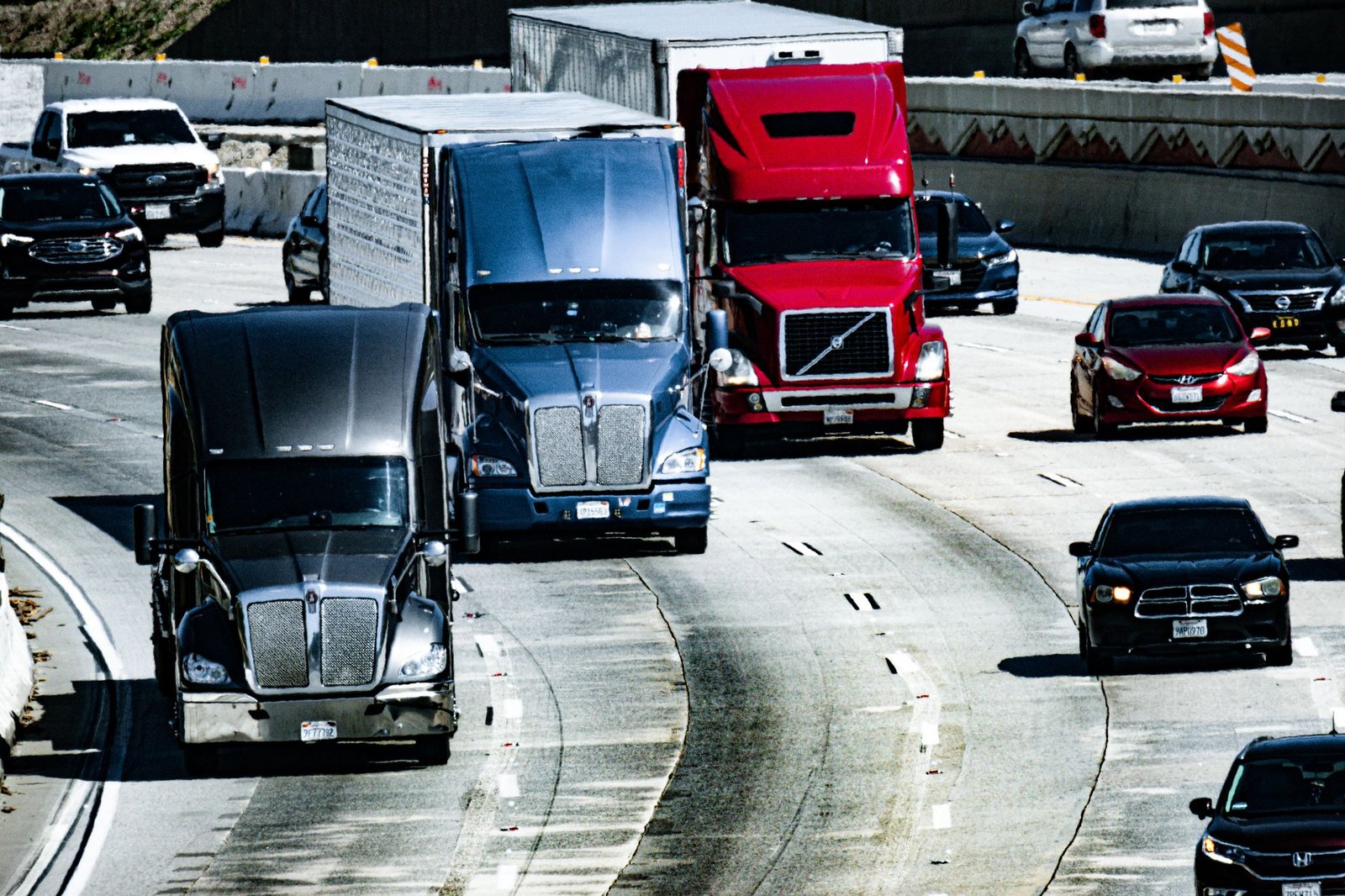

Sometimes the best security system is not what you expect. When thieves hooked up to two trailers outside a Silicon Valley warehouse and drove off into the California night, they probably thought they had hit a jackpot. The trailers were plastered with logos from PlusAI and Nvidia, two of the most recognizable names in autonomous vehicle and AI chip technology. What they actually walked away with, briefly, was about 40,000 pounds of sand.
Why Thieves Are Targeting AI and Tech Cargo Right Now
This incident did not happen in a vacuum. Cargo theft targeting high-value technology equipment has surged significantly across the United States in recent years. According to Verisk CargoNet, enterprise-grade computer and networking equipment now ranks among the most frequently stolen cargo categories in the country. The appeal is obvious: a single truckload of AI accelerator chips or data center hardware can be worth millions of dollars on secondary and black markets.
Nvidia hardware, in particular, has become almost a form of currency in the tech world. With GPU shortages still creating bottlenecks for AI development and data center buildouts, stolen chips carry real resale value. Criminals have taken notice, and organized cargo theft rings have become increasingly sophisticated in how they identify, track, and intercept high-value tech shipments. Earlier this year, separate incidents in California saw thieves deliberately target security escort vehicles accompanying tech loads, a level of operational planning that signals this is no longer opportunistic crime.
How PlusAI Turned Trailer Markings Into a Trap
PlusAI uses weighted sand loads in its research trailers to simulate real cargo conditions during autonomous truck testing. The sand replicates the physics of a fully loaded commercial vehicle, helping engineers gather accurate data on braking, handling, and system performance. It is standard R&D practice, but it also turned these trailers into something of an accidental decoy.
The thieves broke the hand locks securing the trailers, connected their own truck cabs, and drove the rigs roughly half a mile before discovering the contents. Within hours, an eagle-eyed acquaintance of a PlusAI executive spotted the trailers and sent a congratulatory text, which quickly triggered a police response. By Thursday afternoon, both trailers and all 40,000 pounds of sand were safely back at the facility. No arrests have been reported as of this writing.
What This Means for the Future of Autonomous Freight Security
The broader implication here goes well beyond a lucky outcome for one company. As autonomous trucking and AI-powered freight systems scale toward commercial deployment, securing the physical infrastructure behind those systems becomes as critical as securing the software. Fleets will need layered approaches combining GPS tracking, smart locks, remote monitoring, and yes, even a little misdirection.
For buyers and enterprises evaluating autonomous logistics solutions or investing in AI hardware supply chains, this episode is a timely reminder that physical security is part of the total cost of adoption. As demand for Nvidia-powered AI systems and self-driving freight technology accelerates, protecting the assets that power that ecosystem will shape which vendors and platforms earn long-term trust.