
Borrowing a Lesson from Seabirds
For most machines, the boundary between water and air is a hard wall. A drone that flies cannot dive without being ruined, and a submarine cannot leap back into the sky. Seabirds such as gulls and puffins ignore that boundary entirely. They plunge into the waves, propel themselves underwater, and burst back into the air with apparent ease. Engineers at MIT and EPFL in Lausanne have now built a machine that attempts the same trick. The flapping-wing aerial-aquatic vehicle weighs under 300 grams and uses flexible membrane wings, a waterproof motor, and a steerable tail to move between the two environments.
What makes the design notable is how little it borrows from conventional engineering. The wings are coated with hydrophobic nanoparticles that shed water, and the team found that medium-sized, moderately flexible wings offered the best balance. Wings that are too stiff thrash in water, while wings that are too soft cannot generate lift in air. Flapping speeds and pitch angles closely mirrored those of real birds, suggesting that evolution had already solved many of the underlying problems.
Why Ocean Science Needs Machines Like This
Ocean research is expensive, slow, and often dangerous. A research vessel can cost tens of thousands of dollars per day to operate, and sampling icebergs, port facilities, or remote coastal waters can put crews at real risk. Autonomous underwater vehicles already help, but they are limited by their inability to cover ground quickly above the surface. A robot that can fly low over a region, dive for a measurement, and return to the air to transmit data could cover far more territory in a single deployment. Researchers at the team have described the goal of sampling not just weekly but hourly, a cadence that would transform how scientists track fast-changing marine environments such as algal blooms, pollution plumes, or shifting ice.
The technology is still early. The prototype has been tested in a water tank and on Lake Geneva, but real oceans bring choppy surfaces, strong winds, and salt corrosion. The researchers plan to add turning capability to the wings and to test performance in turbulence before any field deployment. Those steps will determine whether this remains a laboratory curiosity or becomes a practical tool for oceanographers and coastal communities.
What This Signals for Consumers and Tech Adoption
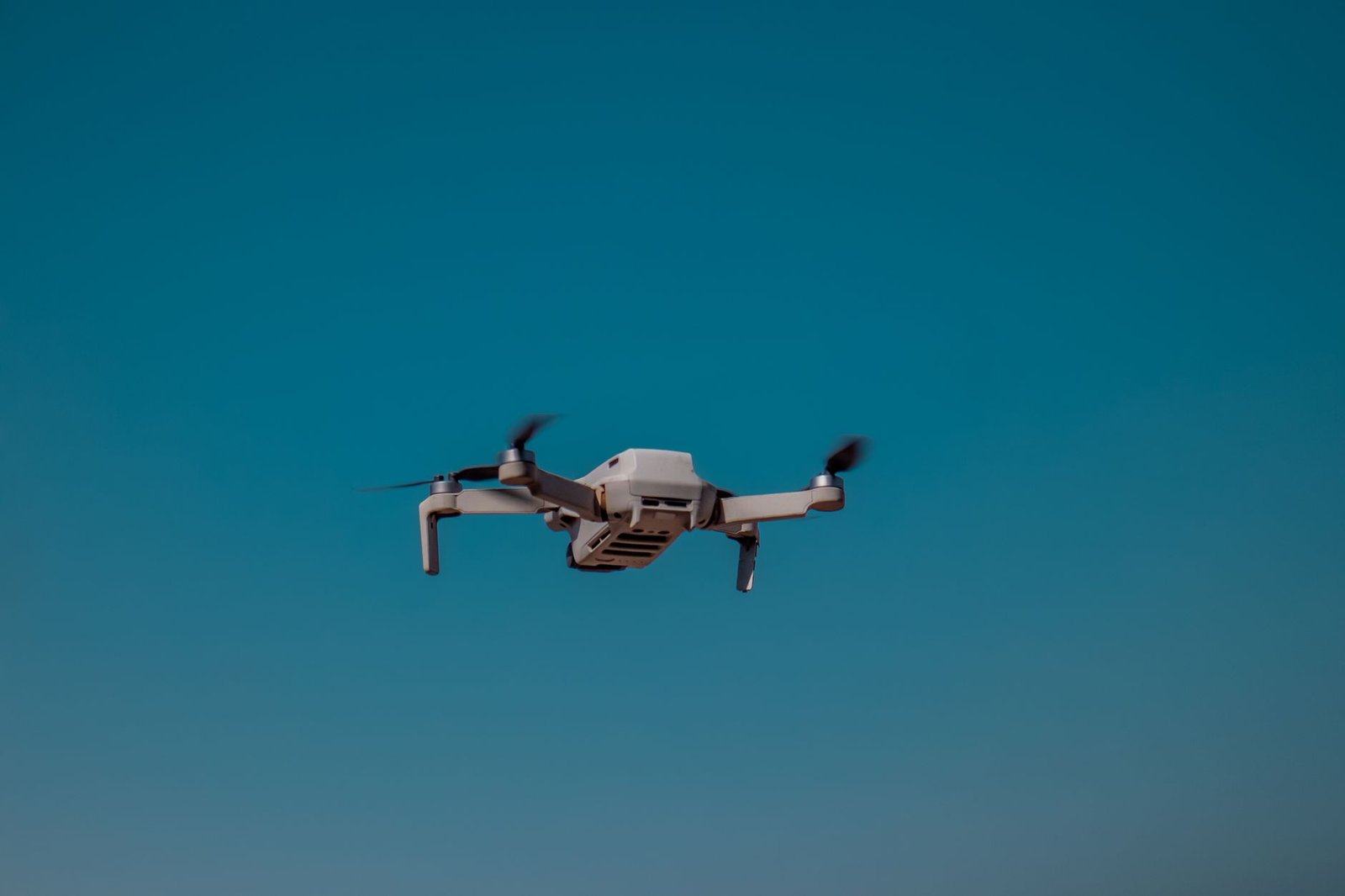
Most shoppers will never own a flapping-wing robot that dives into the sea, but the technologies behind it are already moving into the consumer market. Waterproof drones, lightweight composite materials, and compact high-efficiency motors are becoming standard in recreational gear, and hydrophobic coatings now appear in everything from phone cases to outdoor apparel. As these components get cheaper and more capable, the gap between a hobby drone and a specialized environmental sensor will shrink. For buyers and tech adopters, the signal is clear: multi-environment robotics is moving from research labs toward commercial products, and the next wave of gadgets may be judged less by whether they fly or swim and more by how seamlessly they do both.