


Streaming has fundamentally changed how we consume entertainment, and the numbers prove it. With over 80 percent of U.S. households now subscribing to at least one streaming service, getting an accurate picture of what people are actually watching has become one of the toughest challenges in media measurement. Nielsen, the longtime gold standard for TV ratings, is fighting back with a pretty fascinating technological answer: smartwatch-style wearables that listen for what is playing around you.
How These Wearables Actually Work
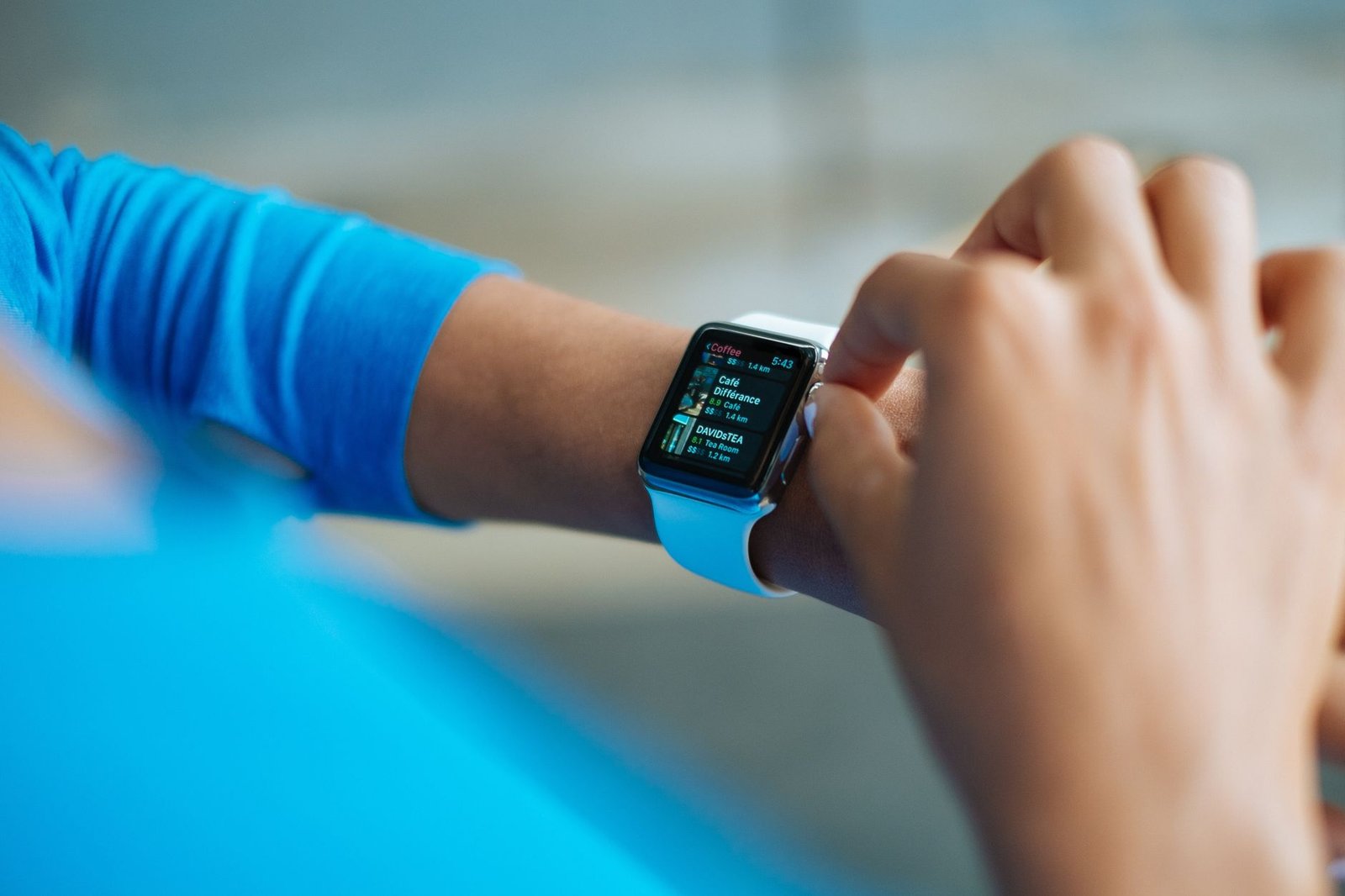
Nielsen has been quietly building out its Portable People Meter (PPM) Wearables program since it first launched nationally back in 2016. Starting August 31st, 2026, data collected from these wrist-worn gadgets will be folded into Nielsen’s co-viewing measurements ahead of the fall TV season. The devices are designed to be worn around the home, passively picking up audio signatures from whatever show or film happens to be playing. Think of it like Shazam, but for tracking your binge-watching habits instead of identifying a song stuck in your head.
One welcome detail for panel participants: wearing the device does not require logging into any Nielsen system. The technology works quietly in the background, which is exactly the kind of frictionless experience that tends to produce more natural, reliable data. When people have to actively check in or interact with a device, their behavior changes. When they simply wear something on their wrist, they forget it is there and just watch TV like everyone else does.
Why This Matters More Than You Might Think
The streaming era has made viewership data genuinely messy. Password sharing, multiple profiles, background viewing, and second-screen habits all chip away at the accuracy of traditional measurement methods. Nielsen is addressing several of these gaps at once. Alongside the wearable expansion, the company is also integrating updated Device and Account Sharing (DASH) estimates from the Advertising Research Foundation, adding new survey data to better represent Spanish-speaking households, and refreshing its machine learning tools to stop results from skewing toward older demographics.
That last point is significant. If Nielsen’s historical data has been overrepresenting older viewers, then networks and streamers have potentially been making programming and advertising decisions based on a distorted picture of who is actually watching. Better demographic modeling means better decisions across the entire industry.
What This Means for Consumers and the Tech You Buy
Here is where it gets interesting for everyday tech consumers. As Nielsen leans harder into wearable technology for data collection, it signals a broader industry confidence in the practical utility of smartwatches and fitness trackers beyond health monitoring. If wearables can quietly and reliably capture something as nuanced as media consumption habits, their perceived value only goes up. For anyone sitting on the fence about investing in a smartwatch or a connected wearable device in 2026, this kind of real-world institutional adoption is a strong signal that the category has serious staying power. The gadgets on your wrist are becoming far more capable than a step counter.