
A New Rule Changes the Checkout Routine
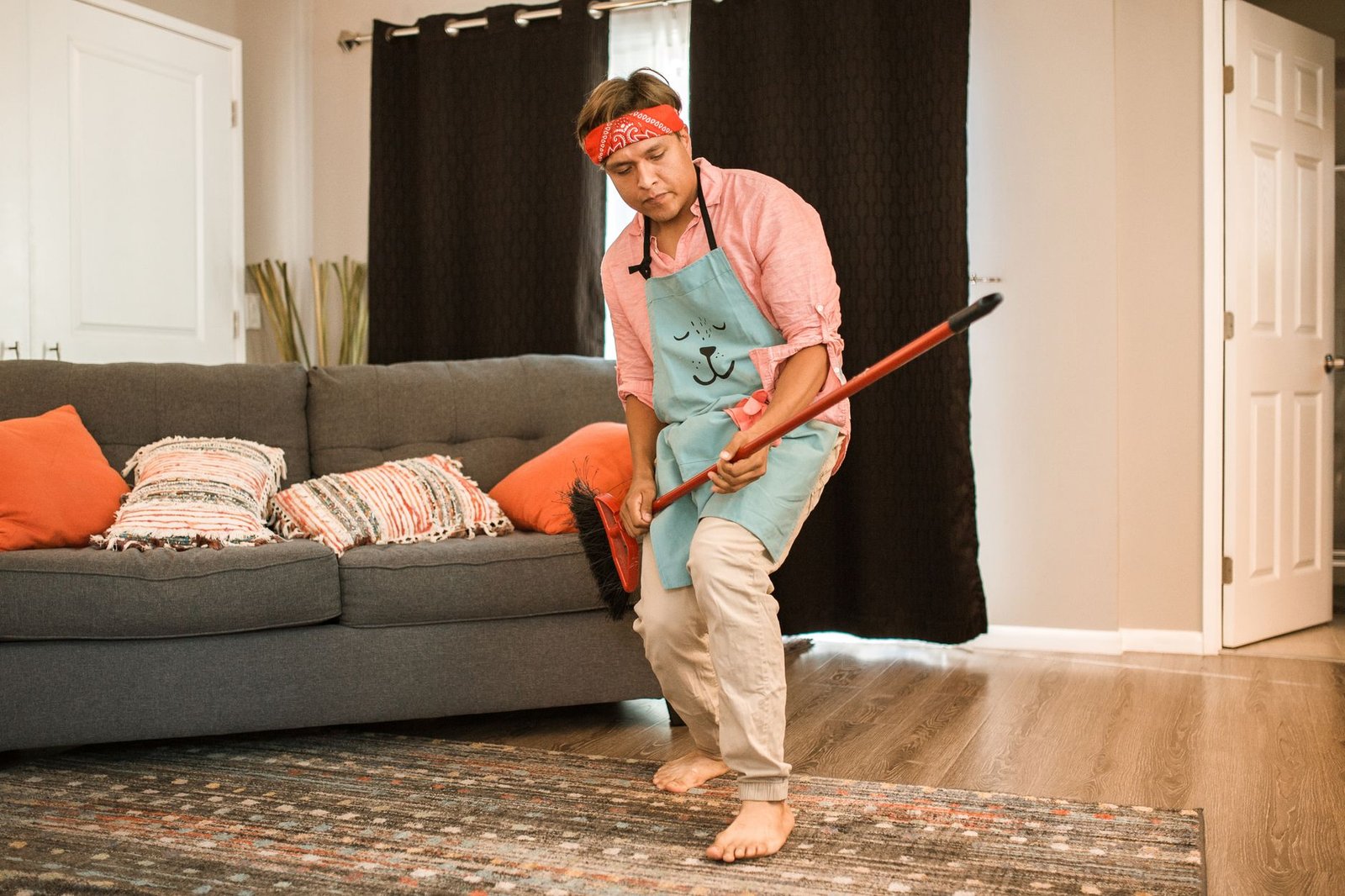
If you have ever stood in an Airbnb kitchen at checkout time, scrubbing plates and hauling trash to the curb while wondering why you paid a cleaning fee, you are not alone. Airbnb has now told hosts they can no longer require guests to complete tasks that would typically be handled by a professional cleaner. Think stripping the bed, taking trash offsite, or washing and putting away dishes. The new policy applies to every booking made on or after November 20, and it landed in hosts’ inboxes with a thud.
The reaction from hosts has been loud. Many feel they are losing a tool to protect their property, and some have vowed to strip their kitchens down to the basics or even pull their listings in protest. Travelers, on the other hand, have been cheering. For years, guests have complained about paying hefty cleaning fees on top of nightly rates, only to be handed a checklist before leaving. Now that list is largely off the table.
What Still Counts as a Reasonable Request
Airbnb is not banning hosts from setting any expectations at all. The company says hosts can still make reasonable requests, such as asking guests to rinse dirty dishes and place them in the sink, using shorter showers in regions facing drought restrictions, or disposing of trash in bear-proof containers where wildlife is a concern. The line is drawn at chores that resemble a cleaner’s job, and Airbnb has built that line directly into its listing tools. Hosts who try to slip cleaning tasks into the Requests section will see warnings flagged in red and a pop-up telling them guests should not be asked to do the task.
Printed house rules that guests must sign at check-in are also out, with narrow exceptions for local legal requirements, longer stays, or optional amenities like a golf cart rental. Airbnb has made clear it will warn, and in serious cases remove, hosts who try to work around the rules. For guests, that means the chore list that once followed them out the door is mostly gone.
What This Means for Your Next Booking
The bigger question is whether this shift will change what you pay. Airbnb says cleaning fees hosts set should only cover standard turnover work like laundry and vacuuming, and hosts cannot charge extra for failing to complete specific checkout chores. Guests can still leave reviews that comment on cleanliness, which keeps some accountability in place. Protection remains too: the AirCover program can reimburse up to $3 million for certain guest-caused property damage, and it also covers specialized cleanup such as smoke odor removal or pet accidents. Guests are still expected to treat a home with care, so tossing trash in the bin and not leaving moldy dishes behind remains the baseline.
For anyone planning a trip, this is a moment to pay closer attention to the total price of a stay rather than the nightly rate alone. As hosts adjust their listings and fees over the coming months, travelers who compare cleaning charges and house rules will be best positioned to find genuine value. Short-term rental platforms have become a major part of how people travel, and every policy change like this one nudges the decisions shoppers make before they hit “book.” Keep an eye on fee structures, read the updated listing details carefully, and you will know exactly what you are paying for when you arrive.