
Why the Wait Was Worth It for Apple Fans
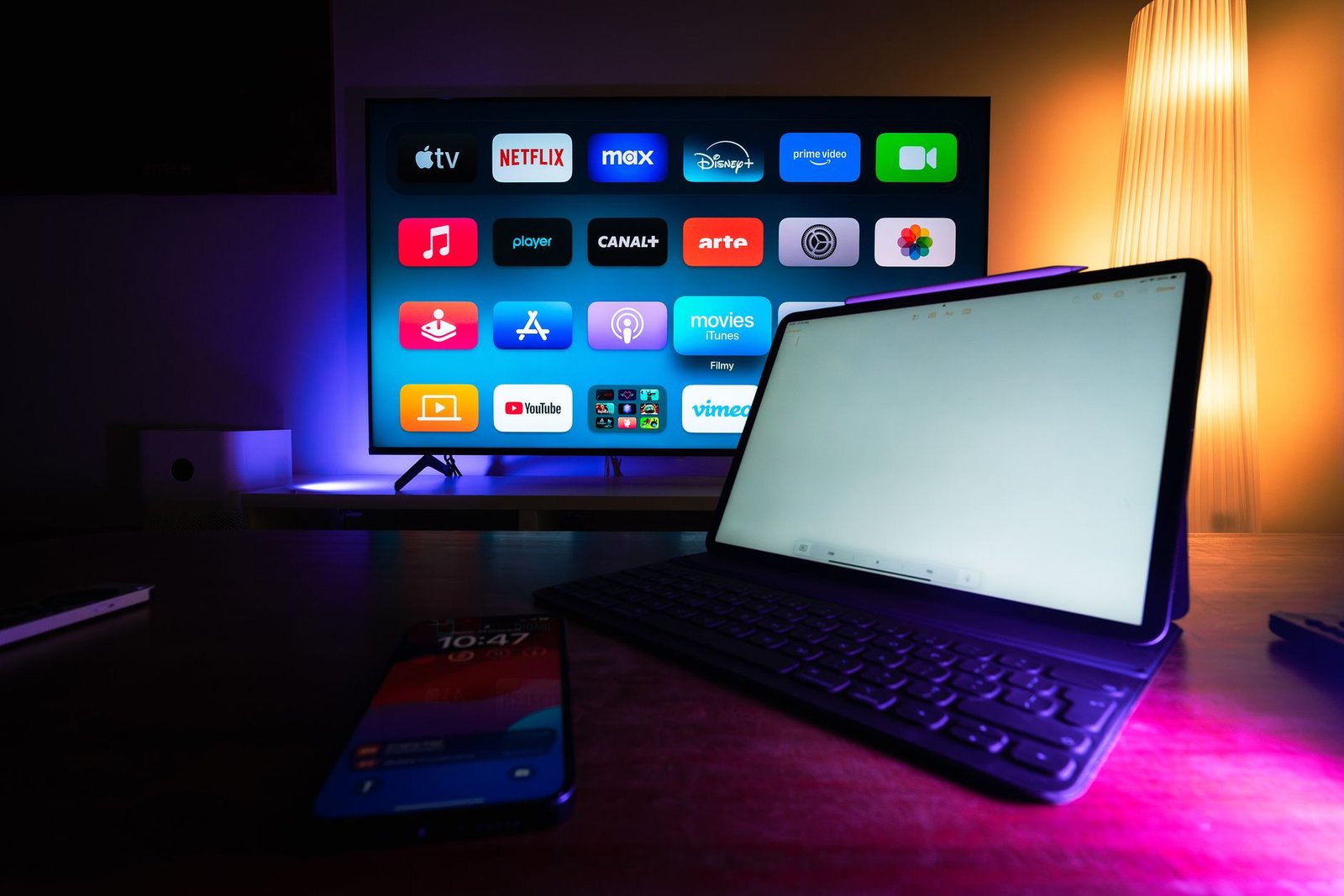
For more than a decade, Apple has asked other companies to build smart home gadgets for its platform. Now it has stepped into the arena with its own lineup. The Apple Home Collection brings together cameras, thermostats, sensors, a smart door lock, and a video doorbell, all developed alongside partners LG Electronics and Schneider Electric. It arrives with HomeView, Apple’s first smart display, which is designed to be the friendly front door to the whole setup.
If you have ever stared at a wall of mismatched smart plugs and wondered why nothing talks to anything else, you already understand the appeal. Apple is betting that a short, curated list of devices that just work together will beat a buffet of options that might not. Its pitch rests on three things: one-tap setup with no extra app or account, data that stays encrypted and under your control, and one place to manage everything.
The Technology Finally Caught Up
Apple’s vice president of home product marketing, Kaiann Drance, points to two key ingredients that made this possible. The first is Matter, the open smart home standard that Apple helped found, which gives devices a common language. The second is AI, which has brought a far more conversational Siri into the mix. Together, they make a dedicated home hub like HomeView feel genuinely useful instead of gimmicky.
Much of the hardware also leans on Thread, a low-power networking protocol that keeps devices connected even when your Wi-Fi drops. Cameras keep recording to onboard storage during outages, and the lock can be unlocked hands-free with UWB when you walk up with your iPhone. These are the kinds of details that separate a device you love from one you constantly troubleshoot.
The Price Tag and the Competition
Let’s be honest about the cost. Devices in the collection start around $200 and climb to $400, and camera history requires an iCloud Plus subscription. Apple is also arriving late to a market where Amazon and Google already have millions of homes wired up, and Ring and Nest have strong brand loyalty. Research from Parks Associates suggests that four in five smart home households would consider switching platforms if one offered easier control, which gives Apple a real opening, but no guarantee.
For shoppers who already own a Ring doorbell or Google Nest Hub, this lineup may not be the obvious next step. It is best suited to Apple users who have been waiting for a reason to take the plunge, or to newcomers who want a simple, guided path into the smart home rather than sorting through dozens of brands.
The real takeaway for buyers is that Apple is lowering the barrier to entry. Once a single device proves easy to set up, many people discover they want a camera, a lock, or a thermostat to go with it. That is exactly the kind of moment when intent turns into a purchase. If you have been on the fence about building a smart home, this launch is a strong signal that the ecosystem is finally mature enough to make the first step feel effortless, and that is often all it takes to start filling your cart.