

You spent hundreds of dollars on a flagship smartphone with an impressive IP68 rating, so naturally you feel confident bringing it into the bathroom. Maybe you prop it on the shower shelf to stream a podcast or scroll through playlists while you get ready. It feels harmless. The problem is that steam and heat are playing by a completely different set of rules than the ones your phone was tested against, and the damage they cause tends to sneak up on you slowly.
IP Ratings Do Not Mean What Most People Think
An IP68 rating means a phone can survive being submerged in up to 1.5 meters of still, cool, fresh water for around 30 minutes under controlled lab conditions. That is it. The rating says nothing about hot steam, high humidity, or repeated exposure over time. Steam behaves differently from liquid water because its tiny particles move faster and can force their way through seals, speaker grilles, buttons, and charging ports far more aggressively than a brief splash ever could.
Both Apple and Google explicitly warn users to keep their devices away from saunas and steam rooms. Apple even notes on its support page that liquid damage is not covered under warranty, no matter what IP rating your device carries. That is a detail worth remembering the next time you reach for your phone before stepping into a hot shower.
Heat Is the Silent Killer Your Battery Fears
Beyond moisture, heat itself is a serious threat. Most smartphones are rated for a maximum operating temperature of around 95 degrees Fahrenheit. A steamy bathroom can push well past that, especially during a long hot shower. Sustained heat accelerates battery aging, meaning your phone loses charge capacity faster than it should. Studies on lithium ion batteries consistently show that high temperatures are one of the leading causes of long-term battery degradation.
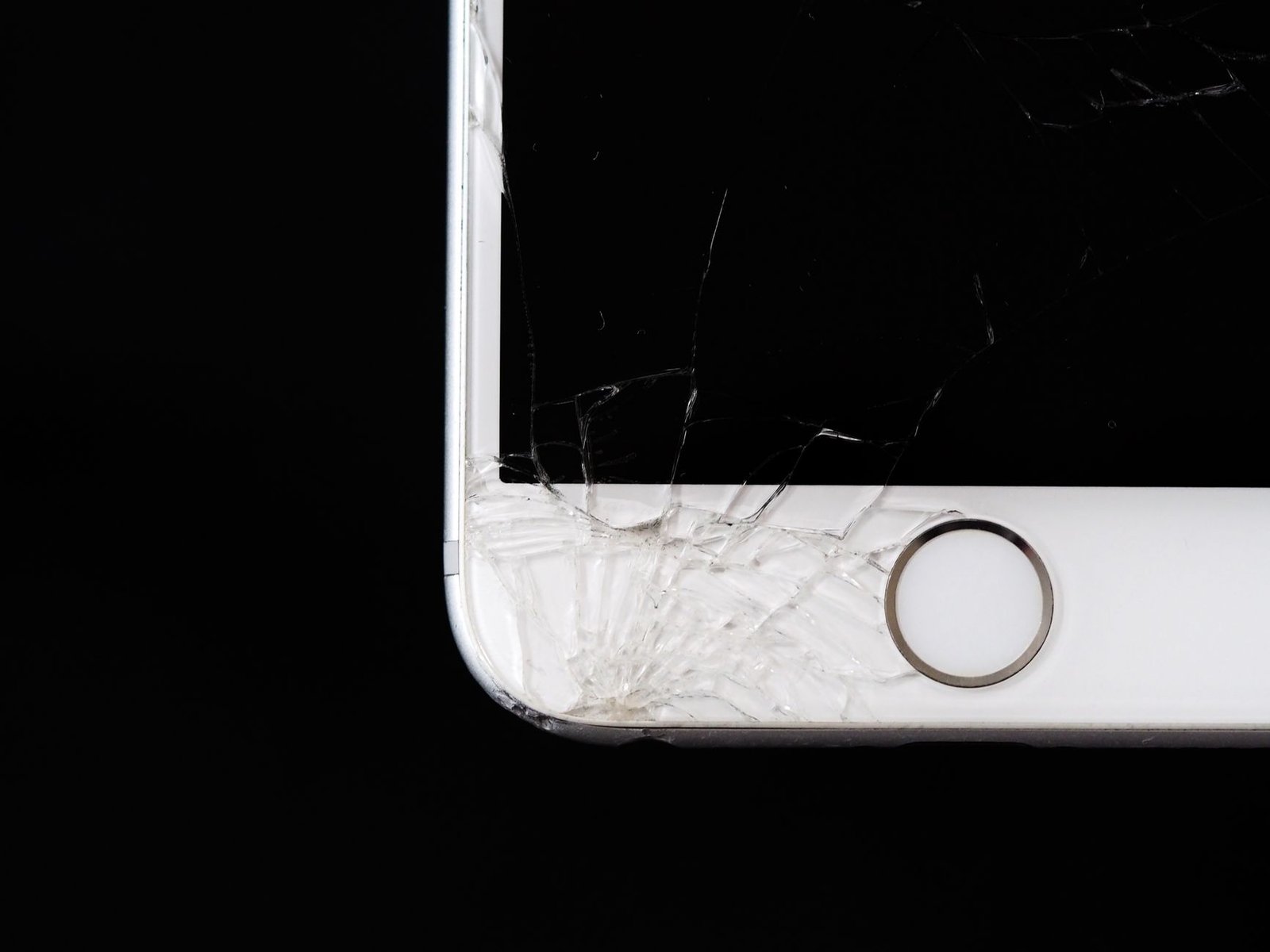
The adhesives and internal seals that protect your phone’s components are also sensitive to repeated heat and moisture cycles. Over time, those materials weaken, leaving your phone increasingly vulnerable. The frustrating part is that you often will not notice until the damage is already done, whether that is a sluggish battery, a corroded port, or a screen that starts behaving strangely.
A Simple Swap That Protects Your Investment
The good news is that the fix is genuinely easy. A portable Bluetooth speaker with its own IP rating can handle the steam, the drops, and the humidity without any of the long-term risk. Many solid options are available for under $50, and Bluetooth connectivity is reliable enough today to reach through a door or interior wall without skipping a beat. You can leave your phone safely on a counter in the next room and still enjoy your music or audiobook without interruption.
If you are in the market for a new smartphone or a shower-friendly audio upgrade, this is exactly the kind of real-world durability detail that should shape your buying decision. Knowing the true limits of your device before you purchase helps you protect that investment and choose the right accessories to go with it.