
The Hard Realities of Building Off-World
Talk of a small lunar city by the end of the century sounds like science fiction, but the engineering problems are very real. A base on the moon has to survive falling asteroids, relentless cosmic radiation, abrasive lunar dust that can damage seals and electronics, and temperature swings that move from scorching daytime highs to deep freezes at night. Any settlement must also be largely self-sustaining, which means autonomous robots for construction and maintenance, reliable nuclear power, and the ability to turn lunar soil and ice into air, water, and fuel. The technology is advancing, yet the biggest obstacle may not be physics at all. Sustained funding, shifting national priorities, and a lack of consensus on who should lead these projects could slow progress far more than any technical hurdle.
Why the Sky Is Getting Crowded at Home
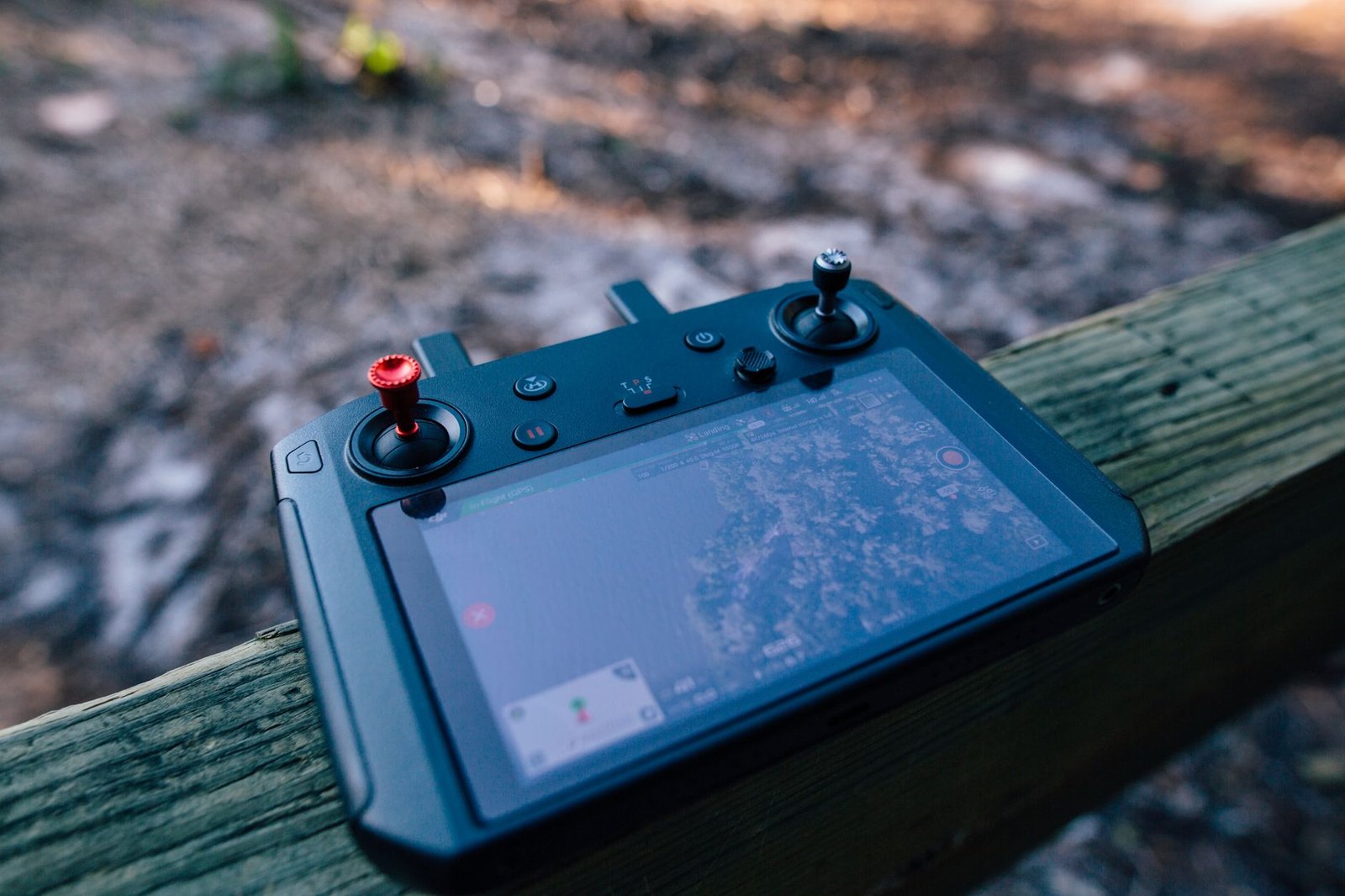
While governments debate lunar ambitions, a quieter revolution is already unfolding in ordinary airspace. Delivery drones are now carrying pizza, sushi, and other goods to homes in parts of Texas and beyond, and each new route adds to a traffic problem that human controllers cannot solve alone. This is why a new profession is taking shape: the remote pilot in command, who oversees fleets of cargo drones much as an air traffic controller manages airliners. The role blends aviation discipline with software literacy, and it hints at how autonomy will be managed at scale. Whether the goal is a lunar outpost or a suburban delivery network, the common thread is the same. Machines will need human supervisors who can keep complex systems safe, predictable, and accountable.
What Rising Autonomy Means for Everyday Buyers
Taken together, these stories point to a future where autonomous systems move from research labs into daily life faster than many consumers expect. Drone delivery is already reshaping expectations for speed and convenience, and the infrastructure built to manage it will likely influence which services reach your neighborhood first. The same pattern applies to smart vehicles, home robotics, and clean energy hardware, where shoppers increasingly weigh safety records, regulatory approval, and long-term support before committing. For anyone tracking tech adoption, the signal is clear: the products that win will be those backed by credible oversight and reliable service, not just dazzling demos. Keep an eye on how these frontier technologies mature, because the buying decisions you make in the next few years may hinge on which of them proves trustworthy.