


A Contract That Refused to End Quietly
Most of us assume that when an institution decides a piece of technology no longer belongs on its property, the vendor packs up and leaves. That assumption took a hit at Elgin Community College in Illinois. The school installed six Flock Safety license plate recognition cameras in 2025 with the goal of improving student safety. Within months, administrators had grown worried about data sharing with federal agencies, weak security around camera feeds, and possible misuse of access by both police and company staff. When the college asked for the cameras to be removed, the company reportedly declined, and later stayed silent even after the school offered to pay out the rest of the contract.
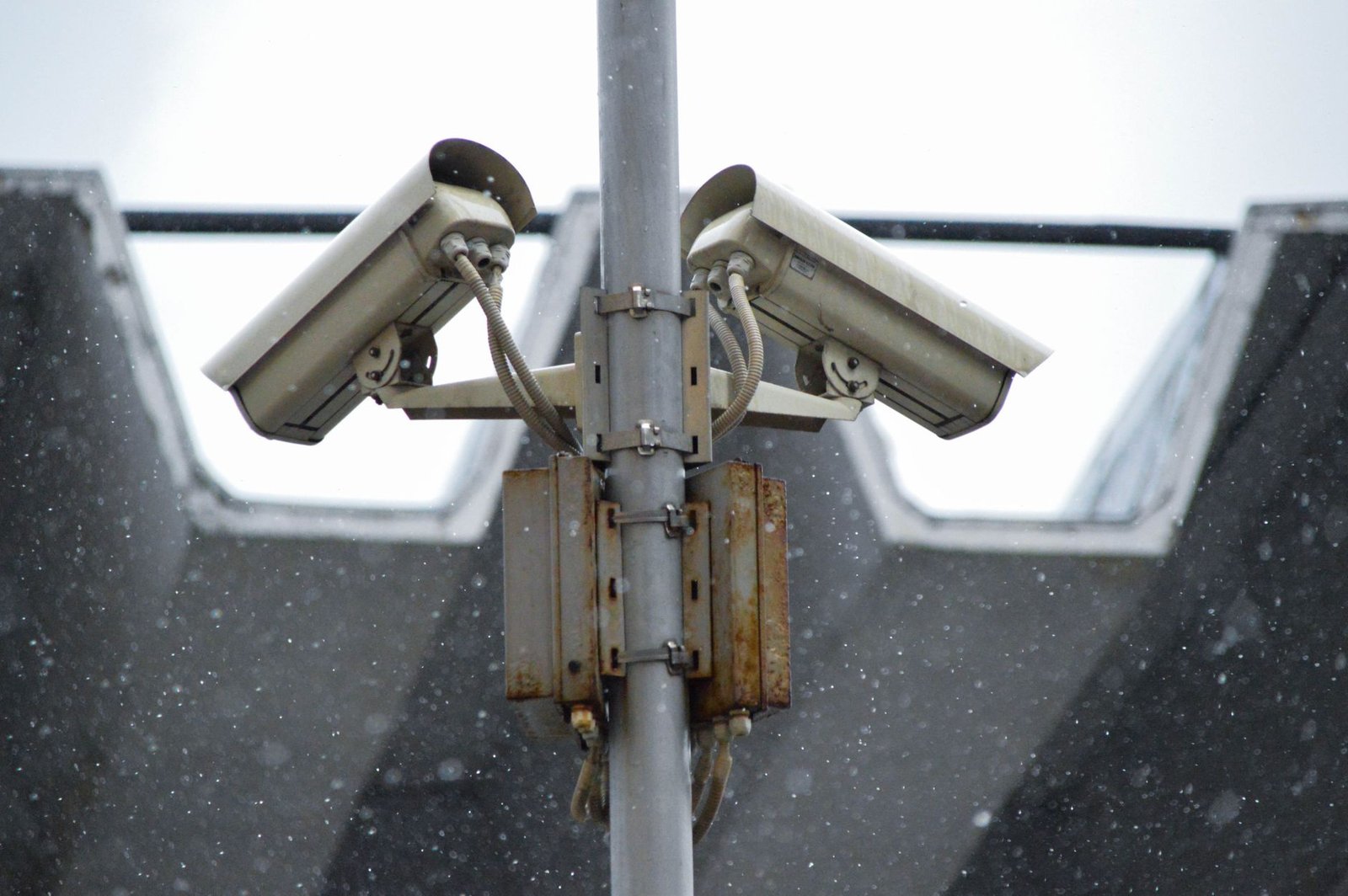
What followed is the detail that has drawn the most attention. Staff covered the cameras with trash bags and zip ties, only to have an unmarked vehicle return and strip the coverings off during service visits. The cycle repeated until the contract expired in April and the hardware finally came down. Whatever the legal merits of Flock’s position, the episode shows how little practical control a customer can have once sensitive infrastructure is physically installed and remotely managed.
Why This Matters Beyond One Campus
License plate readers have spread quickly across American cities, parking structures, and now educational institutions. Their appeal is easy to understand: they can flag stolen vehicles, locate suspects, and provide investigators with a searchable record of movement. The trade-off is that they generate enormous volumes of location data about ordinary drivers, much of it retained for long periods and often shared across jurisdictions. Elgin’s concerns about Customs and Border Patrol access illustrate how quickly a local safety tool can become part of a broader federal data pipeline.
The campus angle adds another layer. Students are a population that already lives under heavy digital observation, from learning platforms to Wi-Fi logs. A college that wants to revisit its surveillance footprint may find that its contract terms, not its own policy decisions, determine what happens next. Expect more schools to read their agreements more carefully before signing, and to ask harder questions about data retention, third-party sharing, and exit clauses.
What Comes Next for Buyers and Institutions
For municipalities and school boards weighing similar systems, the lesson is practical. Negotiate termination rights and data deletion guarantees up front, insist on audit logs for every access, and be explicit about who can service hardware and under what conditions. Vendors will continue to market these products as simple safety upgrades, but the operational reality involves ongoing relationships that can be difficult to unwind.
Consumers and buyers paying attention to tech adoption should see this story as a signal that the surveillance hardware market is maturing in ways that could reshape purchasing decisions. As privacy scrutiny grows, products that offer transparent data governance, local storage, and enforceable customer control may gain a competitive edge over those that treat data access as the vendor’s prerogative. The institutions that win this market will likely be the ones that make it easy to say no, and easy to walk away.