

A Long Horizon for an Old Fear
Few headlines land quite like the suggestion that humanity could face extinction within the lifetimes of children being born today. A newly published assessment from The Lancet Commission on 21st Century Global Threats to Health puts malicious use of artificial intelligence and nuclear conflict at the top of its list of 17 major dangers to human wellbeing over the next 75 years. The authors are careful to say the probability of these outcomes remains low. Still, they argue the scale of harm would be so severe that it deserves the same planning attention governments give to pandemics and climate change.
What makes the report distinctive is its method. Rather than relying on alarm, the commission modelled potential losses in disability-adjusted life years, a measure that captures years of healthy life lost to illness, disability, and early death. Every threat on the list had to meet two tests: it had to be capable of inflicting more than a billion cumulative years of lost health, and it had to have a credible route to mitigation. That second condition matters. It shifts the conversation from fatalism toward preparedness.
Why AI Sits Beside the Bomb
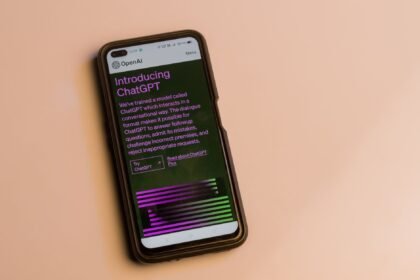
Placing artificial intelligence alongside nuclear weapons would have seemed far-fetched a decade ago. Today it reflects a growing concern among researchers that capable models could lower the barriers to designing biological agents or accelerating dangerous technical work. The commission’s language is measured, pointing specifically to AI-created bioweapons rather than some vaguer notion of machines turning hostile. That precision is useful. It directs attention toward concrete safeguards such as model evaluations for biological uplift, access controls on sensitive research tools, and international norms around dual-use science.
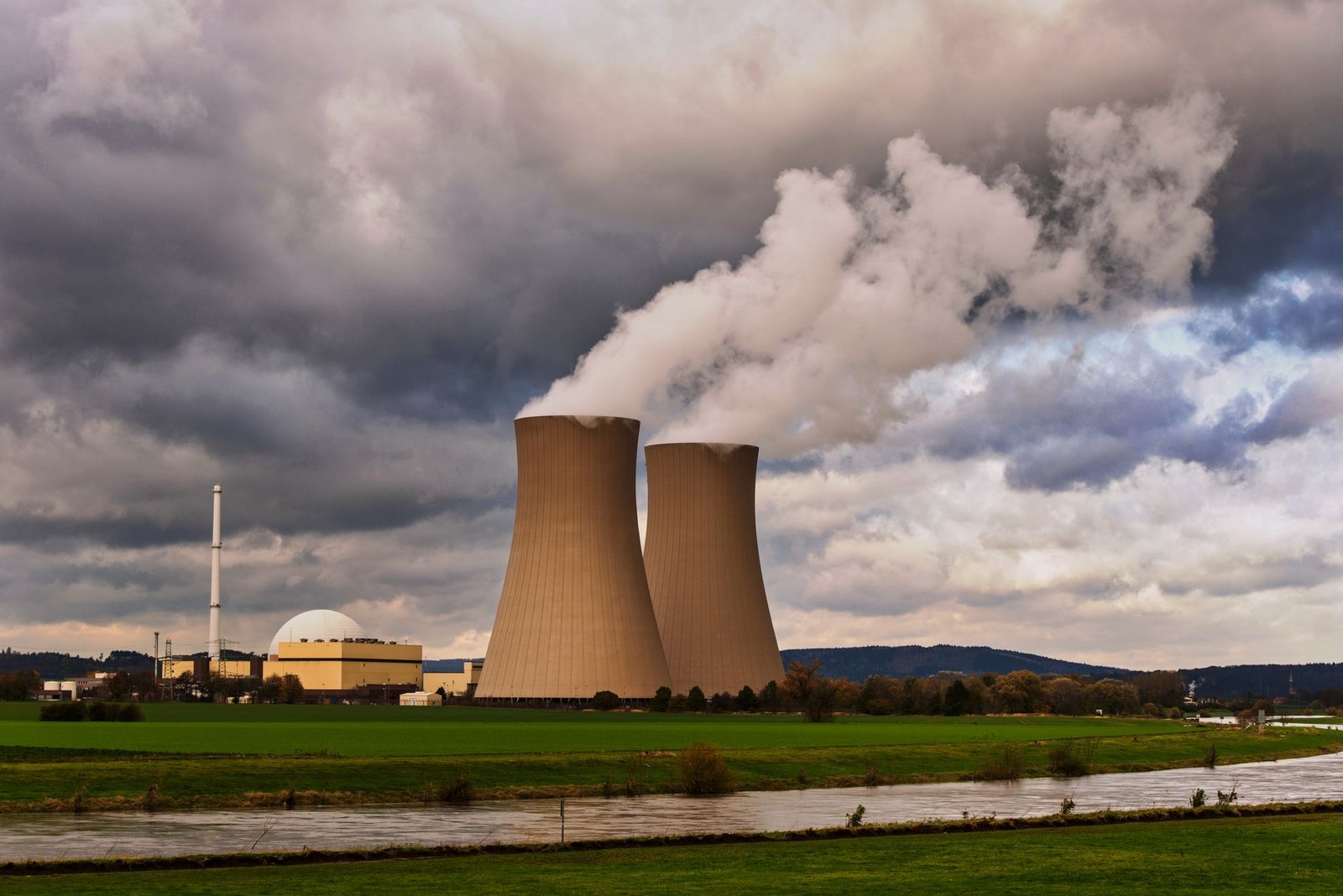
The nuclear scenario described is equally specific. Large exchanges could loft enough soot and particulate matter into the upper atmosphere to block sunlight and disrupt food production across the globe, a mechanism often called nuclear famine. Because the two threats share a common feature, catastrophic outcomes that are hard to reverse once started, the commission argues they belong in the same conversation about global catastrophic risk.
The Consumer and Industry Ripple Effect
For the technology sector, the report is less a warning to stop building and more a signal about where scrutiny is heading. Expect regulators, insurers, and enterprise buyers to ask harder questions about how AI systems are tested, who can access them, and what guardrails are in place. Companies that can document safety practices may find themselves with an advantage in procurement cycles, particularly in healthcare, defence, and public sector contracts where risk tolerance is low. Investors, too, are likely to weigh governance alongside growth when evaluating AI firms.
For everyday buyers, the story points to a quieter shift. As AI tools become embedded in phones, laptops, and workplace software, trust will increasingly shape purchase decisions. Shoppers already compare privacy policies and warranty terms; soon they may compare how transparently a product’s underlying AI was evaluated. Brands that treat safety as a visible feature rather than a footnote will likely win the consideration of buyers who are beginning to see technology adoption as a question of long-term confidence, not just convenience.