

Why the Old Memory Standard Suddenly Matters Again
If you have been eyeing a PC upgrade lately, you have probably noticed that memory prices have been climbing in a way that feels personal. Every time you check a retailer, the numbers seem to shift upward. Now there is a twist that many builders are cheering: the industry is quietly bringing back DDR4, the memory standard that many of us assumed was headed for the recycling bin. Intel and AMD are both preparing new processors that support the older, more affordable format, and motherboard makers like Gigabyte are already lining up products to match.
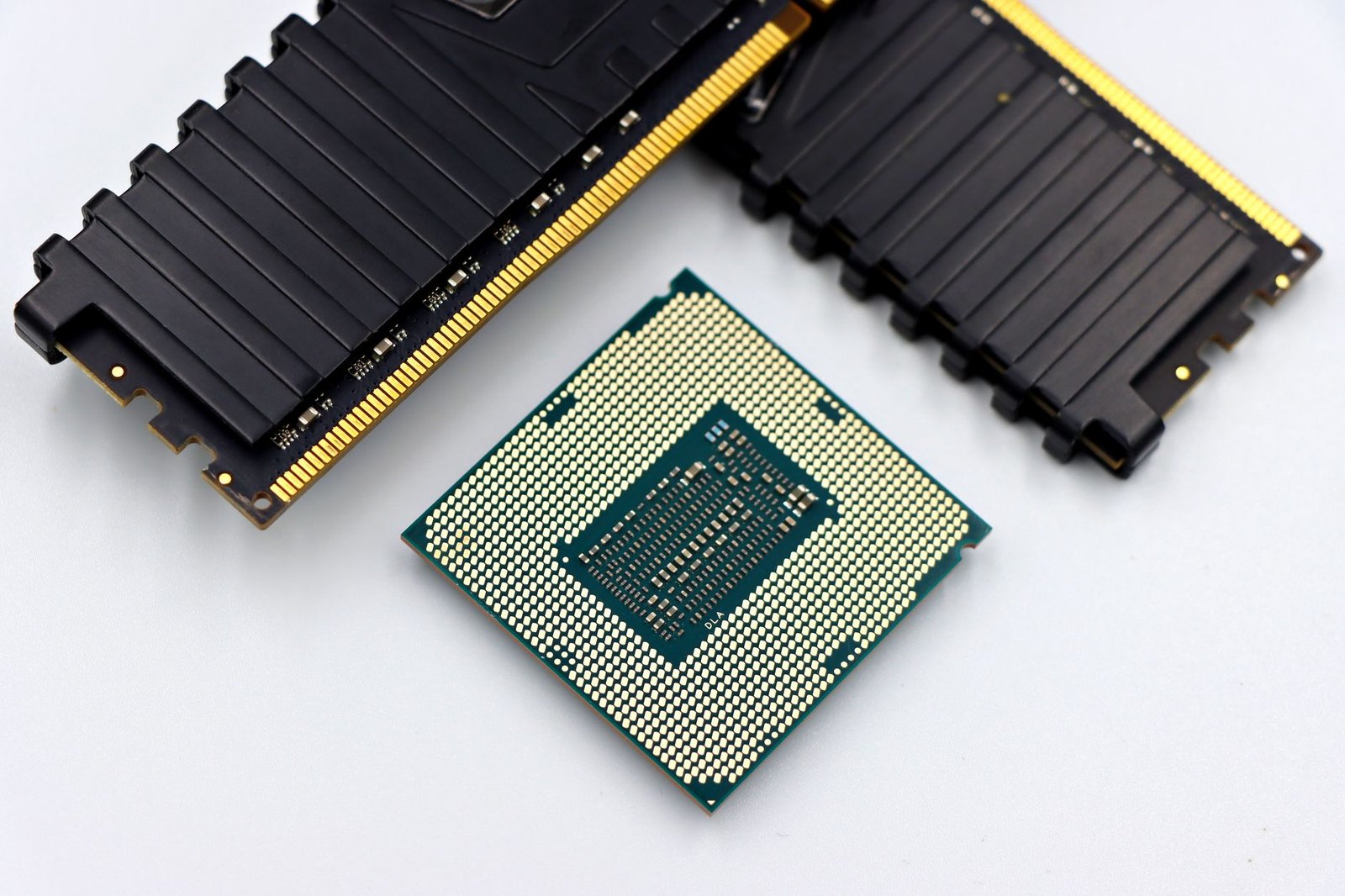
The reason is simple economics. Intel’s LGA 1700 socket launched in 2021 with the 12th generation Alder Lake chips, and it was unusual because it supported both DDR4 and the newer DDR5. Intel later dropped DDR4 support in favor of a DDR5-only approach. Now Gigabyte says that dual-format compatibility is coming back, with new LGA 1700 chips expected in early 2027. AMD is taking a similar path with its older AM4 platform, tied to the relaunch of the Ryzen 7 5800X3D to mark its tenth anniversary. For shoppers, it means a new CPU does not have to come bundled with an expensive memory bill.
The Price Gap That Changes Everything
The numbers are what make this story so compelling. A 32GB DDR5 kit from Corsair currently sells for around $620, while a comparable DDR4 kit costs roughly $260. That is more than double the price for the newer memory, and it is a gap that would have seemed unthinkable just a few years ago. DDR4 normally costs far less, which is exactly why it has become the practical choice for anyone trying to stretch a budget. The AI boom has pulled manufacturing capacity toward high-end memory, and the ripple effects have reached SSDs and other components as well.
DDR5 still has real advantages. It offers higher speeds and better power efficiency, and for enthusiasts chasing every last frame or benchmark point, those gains matter. But for everyday users, students, and gamers who simply want a faster machine without draining their savings, the performance difference may not justify paying more than double. Many people will find that a well-tuned DDR4 system feels perfectly modern for daily tasks, streaming, and most games.
What Smart Buyers Should Do Right Now
If you are planning an upgrade, this moment rewards patience and a bit of research. Check whether your current motherboard supports DDR4, since many boards from the last several years do. If you need a new memory kit because an old one has failed, as happened to one reporter who saw the price gap firsthand, a DDR4 replacement may be the most sensible way to get back up and running without overspending. Keep an eye on new LGA 1700 and AM4 announcements too, because a fresh CPU paired with affordable memory could be the sweet spot for a budget build.
Industry observers expect memory prices to stay elevated for some time, so waiting for a dramatic drop may not be the best strategy. Still, the return of DDR4 support shows that the tech world is adapting to real consumer pressure. For anyone weighing an upgrade right now, this is a reminder that the newest standard is not always the smartest purchase. Sometimes the most exciting move is the one that keeps more money in your pocket while still giving your PC a meaningful boost.