

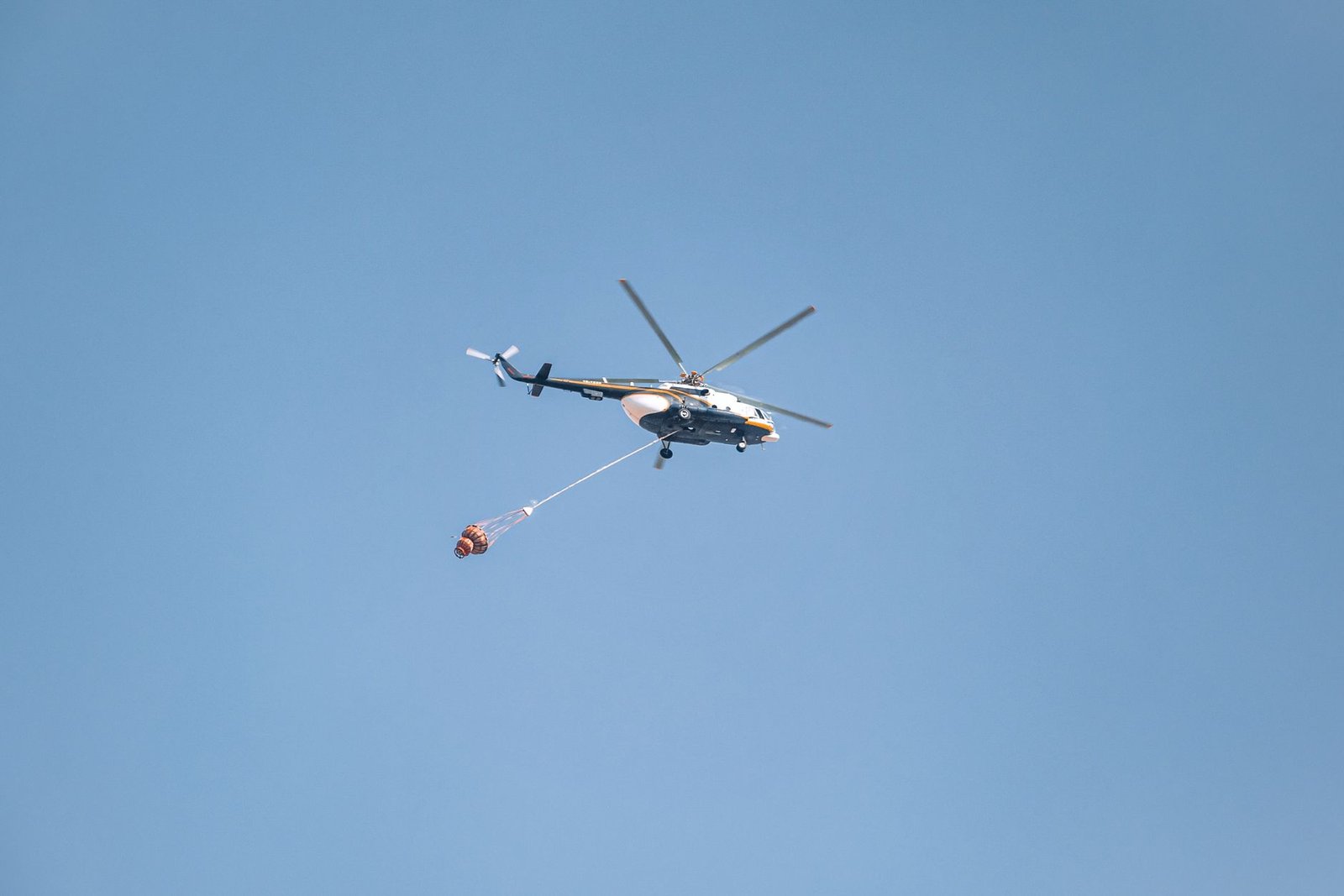

The $11 million XPRIZE Wildfire competition just wrapped up, and while no team claimed either of the two grand prizes, the results are anything but a failure. The competition surfaced some of the most promising wildfire detection and response technologies the world has seen, arriving at a moment when the stakes could not be higher. Global wildfire suppression costs have surpassed $3 billion annually in the United States alone, and that figure is climbing as climate conditions worsen across the western US, southern Europe, and Australia.
What the Competition Actually Asked Teams to Do
XPRIZE structured the competition around two distinct challenges. The First Prize track focused on space-based wildfire detection, requiring teams to accurately identify all active fires across a massive region of Australia within just 10 minutes. The second track, the Autonomous Response Prize, pushed teams even further. Competitors had to autonomously detect and suppress a high-risk fire somewhere in rural Alaska, ignoring intentional decoy fires, all within 10 minutes of ignition. These are not theoretical benchmarks. They reflect the real-world urgency of early fire response, where every minute a fire burns unchecked can mean the difference between a contained incident and a community-destroying disaster.
Detection Works, Autonomous Suppression Still Lags
The finalists demonstrated that satellite and aerial detection technology has matured considerably. Several teams successfully identified fires within the 10-minute detection window, a genuine breakthrough given how traditional ground-based monitoring often takes 30 minutes or longer to confirm an ignition. However, autonomous suppression proved to be a much harder problem. Coordinating drone fleets, navigating unpredictable terrain, and neutralizing a fire without human guidance pushed current systems beyond their limits. No team fully cracked the suppression challenge, which underscores how much engineering work remains before fully autonomous firefighting becomes operationally viable. Andrea Santy, program director of XPRIZE Wildfire, framed it clearly: the goal is to give firefighters better tools, not replace the human judgment they bring to dangerous situations.
Why This Matters for the Tech Market Right Now
The XPRIZE results arrive as government agencies, insurance companies, and utilities are actively allocating budget toward wildfire risk management. The California Public Utilities Commission, for example, has required utilities to invest in situational awareness technology following catastrophic fire events linked to power infrastructure. Meanwhile, the global wildfire detection and monitoring market is projected to grow at a compound annual growth rate above 12 percent through 2030. Startups that competed in XPRIZE now have validated technology and real competitive data to take to investors and procurement officers.
For consumers and businesses evaluating fire risk technology, from early-warning systems for rural properties to drone-based monitoring for commercial land managers, the XPRIZE results offer a credible benchmark. Knowing which technologies performed under structured, measurable conditions makes buying decisions far more informed. As this sector matures, expect faster commercial availability, lower price points, and growing integration with smart home and property protection platforms.