

Folding phones have always carried a promise that felt just slightly out of reach. They were impressive, sure, but never quite comfortable enough to replace your everyday smartphone. That changes with the Samsung Galaxy Z Fold8, a device that rethinks the entire form factor from the ground up and finally delivers something that feels purpose-built rather than adapted from an older design language.
A Wider Shape Changes Everything
The single biggest upgrade Samsung made with the Fold8 is one you might not expect from a spec sheet: the proportions. Previous Fold devices were tall and narrow, mimicking a traditional candy bar phone. The Fold8 is shorter and wider, and the difference in real-world use is enormous. It feels lighter in the hand, easier to open, and far more natural to type on. The inner 7.6-inch display opens up into something genuinely tablet-like, and because the hinge requires less effort to flip open, you actually use that big screen instead of just leaving the phone closed out of habit.
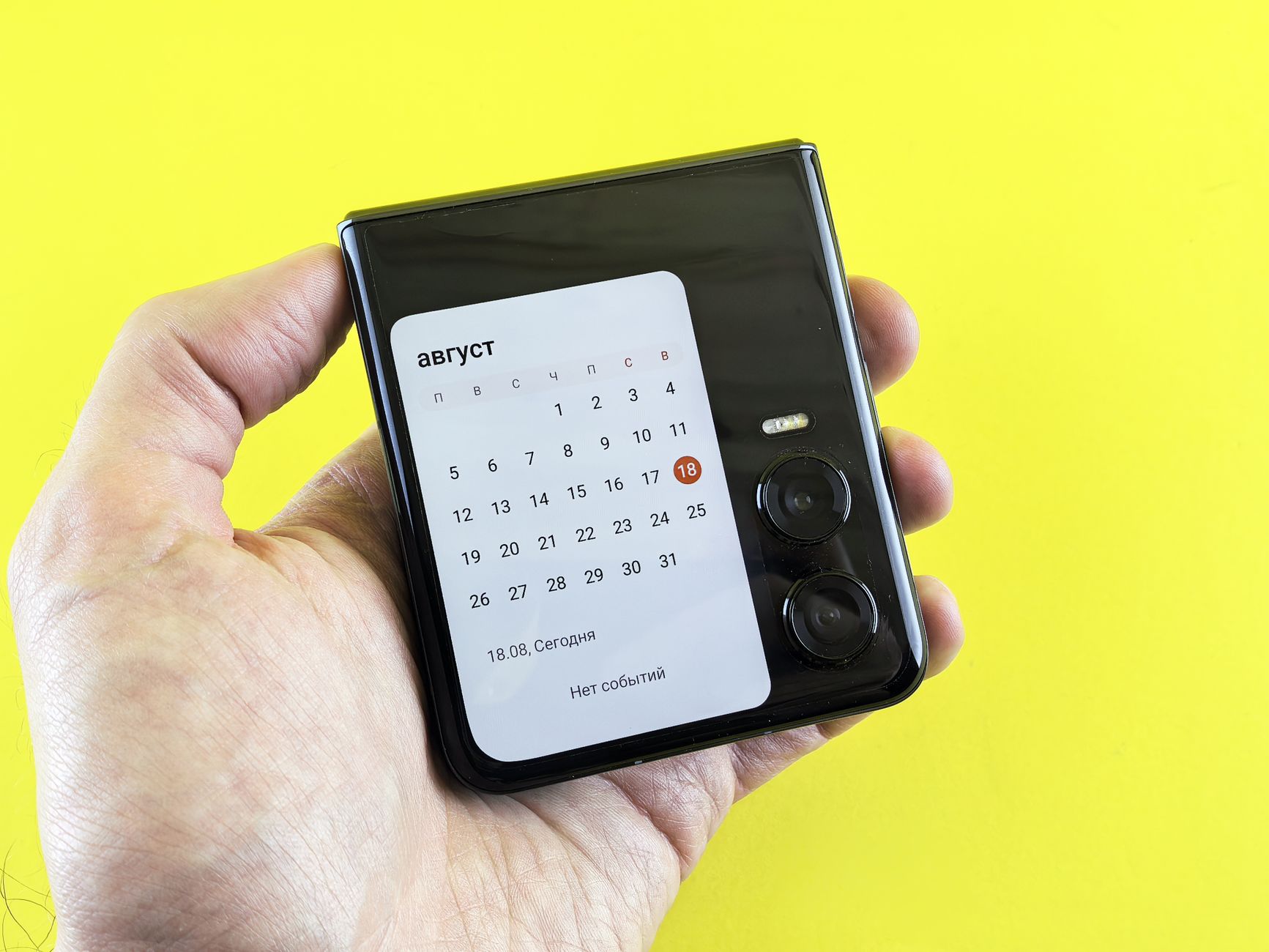
The front cover screen also benefits from a friendlier 10:16 aspect ratio, which means far less of the awkward black letterboxing that has plagued earlier Fold devices. Compared to the taller Galaxy Z Fold8 Ultra, the standard Fold8 wins on comfort, usability, and everyday ergonomics in almost every scenario.
Where the Ultra Pulls Ahead on Paper
The Fold8 Ultra costs around $200 more and brings a few meaningful upgrades. Its 200-megapixel main sensor outperforms the Fold8’s 50-megapixel camera in challenging lighting, and more importantly, it includes a 10-megapixel 3x optical zoom lens that the base Fold8 simply does not have. For dedicated mobile photographers, that gap matters. The Ultra also carries a slightly larger 5,000-mAh battery compared to the Fold8’s 4,800-mAh cell, both using Samsung’s new silicon-carbon battery technology, which helps push screen-on times well past five hours on either model.
Both phones run on the Qualcomm Snapdragon 8 Elite Gen 5 chip, delivering smooth, lag-free performance across apps, games, and multitasking. Samsung’s split-screen and three-app multitasking modes work especially well on the Fold8’s wider display, giving each window genuine breathing room rather than cramped columns.
Is This the Foldable That Finally Converts Skeptics?
One lingering design frustration on both models is the protruding camera module on the back, which causes the phone to rock on flat surfaces. It is a solvable problem that competitors have already addressed, and Samsung should follow suit in the next generation.
Still, the Galaxy Z Fold8 represents the clearest argument yet for mainstream adoption of book-style foldables. At $1,900, it is not an impulse buy, but for consumers who have been curious about folding phones without wanting to compromise on daily comfort, the Fold8 hits a sweet spot that earlier models never reached. If a foldable has ever tempted you, this is the one worth seriously budgeting for.