
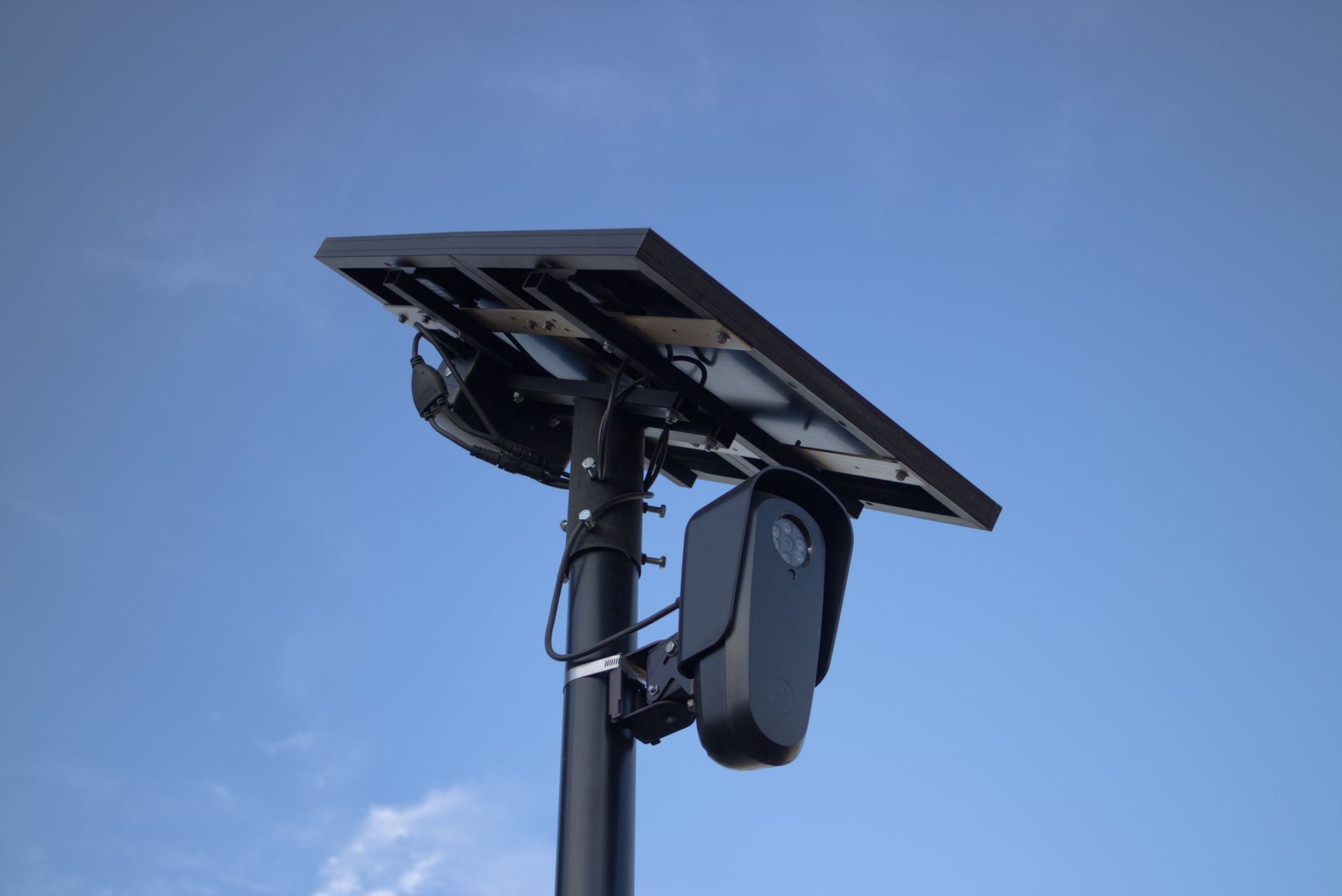

Automatic license plate readers are everywhere, and the conversation around them has never been louder. With over 120,000 Flock Safety cameras deployed across the United States, these AI-powered devices are doing something that would have seemed like science fiction just a decade ago: tracking your vehicle by its plate number, make, model, and color in real time, building a detailed picture of where you go and when.
What Flock’s Cameras Actually Do to Your Daily Life
Every time you drive past one of these cameras, it logs your vehicle’s data and shares it across a network that law enforcement agencies can query at will. That is a remarkable amount of information flowing through systems that, until recently, had almost no standardized accountability. Flock cameras were found to have over 60 live video feeds accessible online without any login required. Separately, an exposed dataset revealed that AI annotators located overseas were classifying American license plate footage. These are not small oversights. They point to a surveillance infrastructure that grew faster than the safeguards designed to govern it.
The stalking problem has been particularly alarming. More than a dozen documented cases showed police officers using Flock to illegally monitor ex-romantic partners and others. Flock CEO Garrett Langley has since admitted the company got things wrong, announcing mandatory audit features and required case codes for every search. It is a meaningful step, but critics argue it is long overdue.
Cities Are Pushing Back and Contracts Are Falling Apart
Los Angeles suspended its three-year Flock contract after the LAPD raised concerns over data ownership and access terms. Dozens of other communities have canceled or paused similar agreements. The political heat is real: a Tennessee congressional candidate was charged with felony vandalism for allegedly shooting Flock cameras. Amazon-owned Ring, which had announced a high-profile partnership with Flock, canceled the integration entirely after sustained public backlash tied to concerns about connections to ICE and broader surveillance overreach.
One driver in Minnesota was tracked by Flock cameras and ambushed by police over a false stolen-plate alert. Flock called the system’s behavior technically correct. That response tells you a lot about where the gap between automated policing and human accountability still sits.
Why This Matters Before You Buy Into Smart Home Security
If you are shopping for a smart home security system or a connected doorbell camera, the Flock story is essential context. The ecosystem these devices plug into is far more complex than a simple neighborhood watch. Ring’s brief partnership with Flock showed how consumer-facing hardware can become a node in a much larger surveillance network without users fully realizing it. Before committing to any AI-powered camera product, it is worth asking who can access the footage, how long it is stored, and whether the company has clear policies on law enforcement data sharing. Your front door camera might be doing more work than you signed up for.