

A Former Insider Raises the Stakes
Sarah Wynn-Williams, who once worked as director of global public policy at Meta, has taken her campaign for stronger whistleblower protections to a new audience. Speaking to UK politicians, she has urged Andy Burnham to go further than current proposals on non-disclosure agreements, arguing that people who spot troubling practices inside technology firms are being muzzled before the public ever hears what they know. Her point is not limited to social media. She says that employees with concerns about artificial intelligence development face the same silencing pressures, and that the result resembles the controlled information environment George Orwell described in 1984.
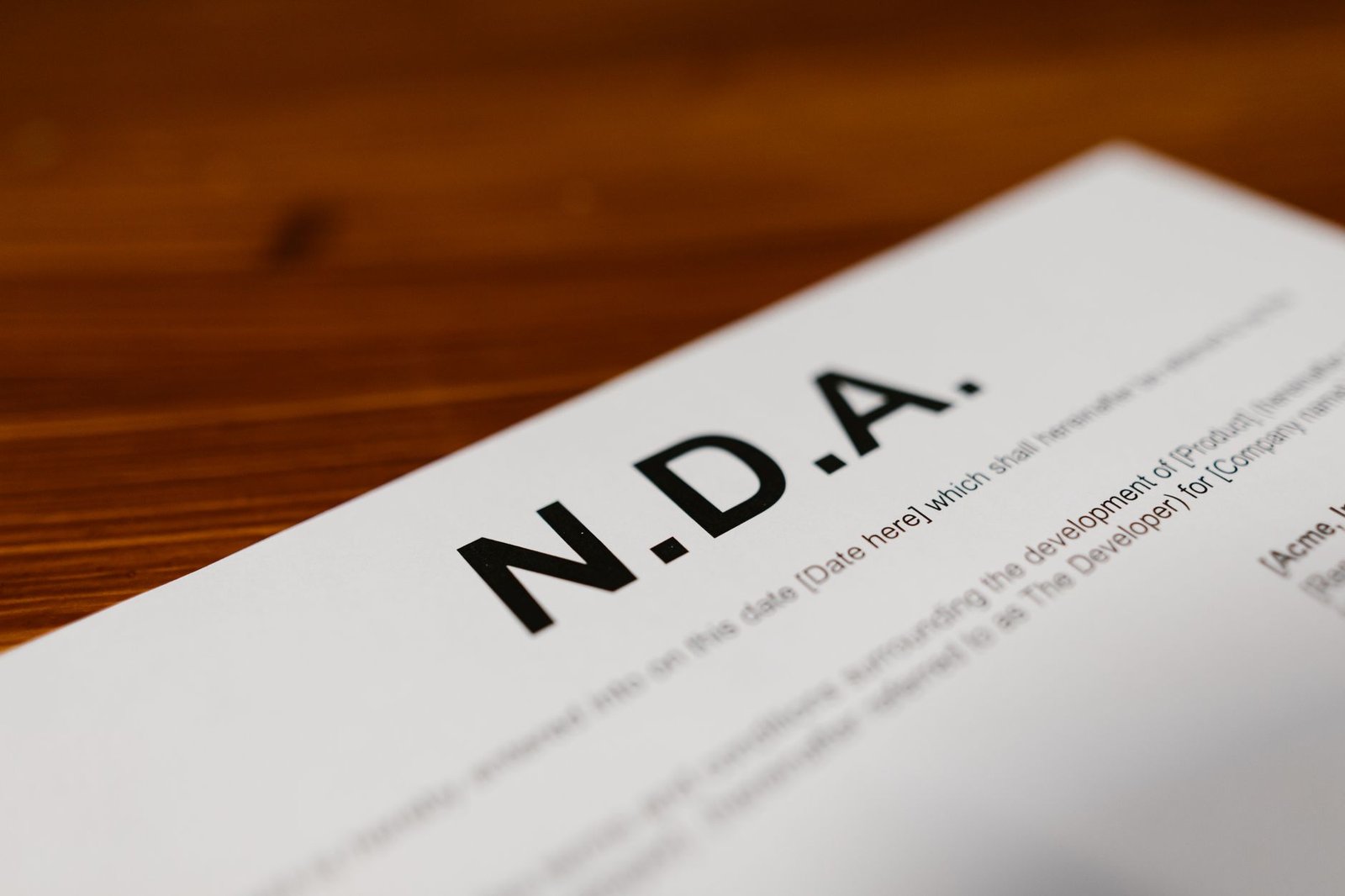
The core of her grievance is personal as well as political. Her memoir contains a series of allegations about Meta, yet she says restrictions the company secured through legal agreements have kept her from discussing many of those claims publicly. Meta has defended its handling of such matters in the past, and confidentiality agreements are not unusual in corporate life. Still, the tension she describes sits at the center of a wider debate about whether NDAs protect legitimate trade secrets or shield wrongdoing from scrutiny.
Why NDAs Have Become a Policy Flashpoint
Non-disclosure agreements have a long history in Silicon Valley, where they are routinely used to guard product plans, source code and financial details. Critics argue that the same instruments are increasingly applied to conceal harassment, safety failures and ethical concerns. Several jurisdictions have responded by limiting NDAs in cases involving discrimination or sexual misconduct, but the rules are patchy, and few cover technical risk or product safety. That gap is exactly what Wynn-Williams wants closed. If AI systems are being built with weaknesses that engineers can see but cannot report, the public loses an early warning system that regulators and journalists have historically relied upon.
Supporters of tighter rules point out that whistleblowers have already shaped tech policy, from data privacy disputes to internal research on the mental health effects of platforms on young users. Opponents counter that broad restrictions on confidentiality could expose genuine trade secrets, weaken negotiating positions in settlements, and make companies less willing to share information with employees at all. The balance is genuinely difficult, and Burnham faces a choice between narrow reforms that are easy to defend and broader ones that carry more legal and commercial risk.
What Comes Next for Tech Accountability
Whatever the outcome in the UK, the pressure is unlikely to fade. AI development is moving quickly, and the people closest to model training, safety testing and deployment decisions are often bound by contracts that limit what they can say. Any reform that gives those workers a protected route to regulators, without fear of ruinous litigation, would mark a meaningful shift. For companies, the lesson is that secrecy has a cost. Trust is hard to rebuild once employees feel they must choose between their conscience and their livelihood. For policymakers, the task is to write rules precise enough to protect the public without turning every internal disagreement into a national security matter.
For consumers and businesses, the debate matters for a practical reason. Buyers increasingly evaluate AI tools, cloud services and connected devices on safety, transparency and data handling, not just features and price. When a company’s internal culture is opaque, purchasing decisions become riskier, and enterprise buyers often pause before adopting new platforms. Stronger whistleblower protections could give shoppers clearer signals about which products have been scrutinised, which have been questioned by insiders, and which are worth the investment. In that sense, the fight over NDAs is also a fight over how confidently the market can adopt the next generation of technology.