

A Holiday Born From Heroic Storytelling
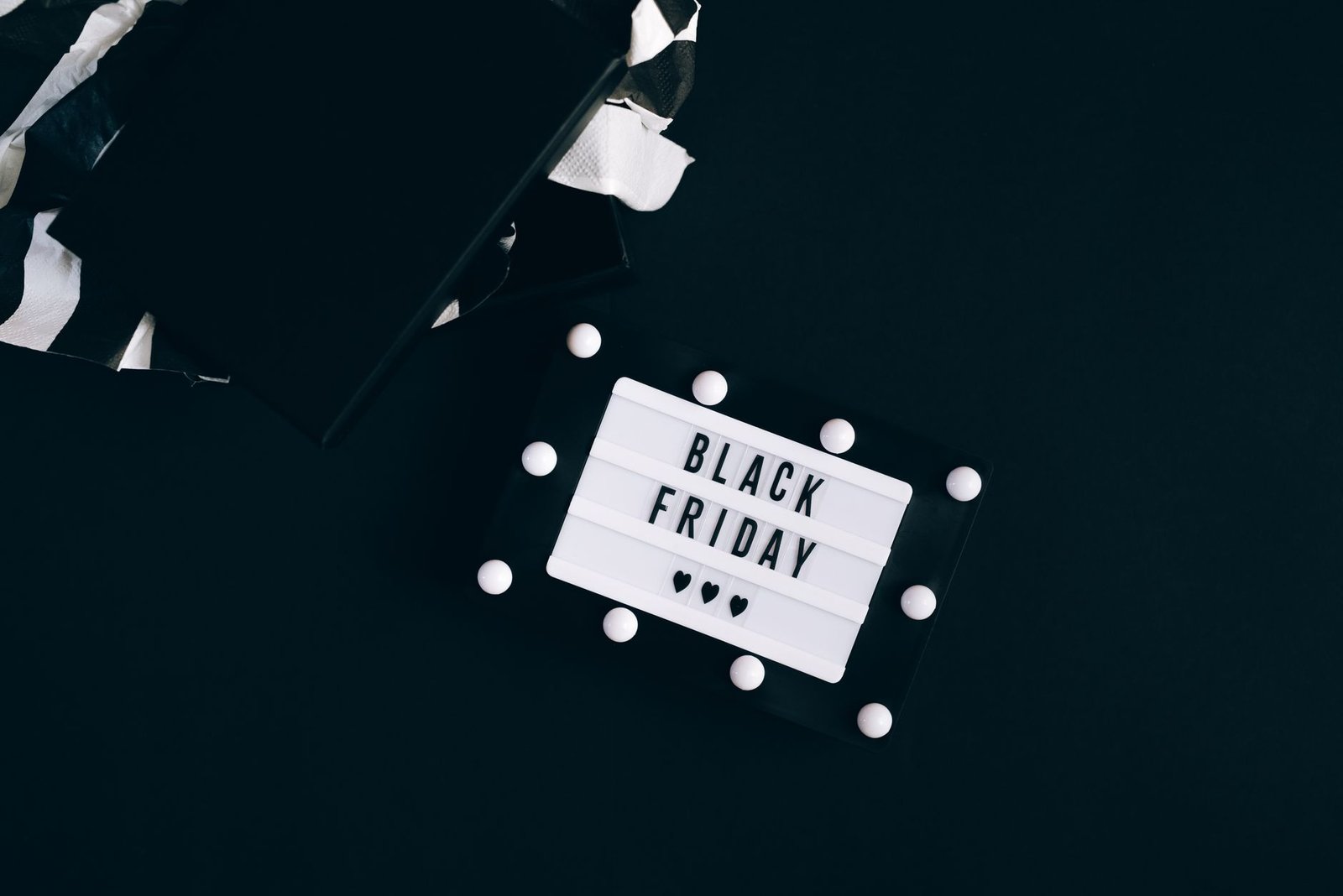
Every year brings a flood of Black Friday deals, and every year the internet has a little fun explaining the name. A playful bit of lore making the rounds imagines the day as a solemn remembrance of Optimus Prime, the Autobot leader whose final stand against Megatron supposedly gave the holiday its dark title. It is a lighthearted tale, and it is a reminder of how cultural mythology can attach itself to everyday commerce. The real origins of the phrase are far less cinematic. The term took hold in the United States as retailers used the day after Thanksgiving to shift from red ink to black, meaning profit, and it has since grown into the unofficial start of the holiday shopping season.
What began as a regional retail tradition now stretches across weeks of promotions, flash sales, and early-access events that blur into one long campaign. Shoppers who once lined up outside stores before dawn now often start comparing prices on their phones days in advance. The fun story about the name matters less than the behavior it has come to describe, which is a yearly ritual of hunting for bargains with a sense of urgency that retailers have learned to cultivate carefully.
What the Numbers Say About Shopper Behavior
Industry trackers have reported for years that online sales during the Thanksgiving weekend have climbed steadily, while in-store traffic has become more selective and targeted. Consumers increasingly research before they buy, reading reviews, checking price histories, and comparing bundles across several retailers before committing. That shift has made transparency a competitive advantage. Retailers that offer clear pricing, honest comparisons, and reliable return policies tend to capture the shoppers who are ready to spend, while those relying on confusing discounts often lose them to a quick search. For electronics in particular, the gap between a genuine markdown and an inflated list price can be wide, and savvy buyers have become adept at spotting the difference.
Why Tech Buyers Should Shop With Intent
Tech products make up a large share of holiday purchases, from laptops and headphones to smart home devices and streaming hardware. These are categories where the pace of change is fast, so a deal on last year’s model can feel attractive even when a newer version is only months away. Buyers benefit from asking a few practical questions before clicking purchase: Does this device solve a problem I actually have? Is the software support window long enough to justify the price? Does the discount reflect a real reduction from a fair baseline? Taking those steps turns a rushed impulse into a deliberate decision. The most successful holiday shoppers are not necessarily those who find the lowest price on a given day, but those who know exactly what they need and recognize when a sale genuinely meets that need. As tech adoption continues to accelerate, that kind of intentional buying is becoming the norm, and it is a habit worth bringing into every season of deal hunting.