


Power Is the New Land
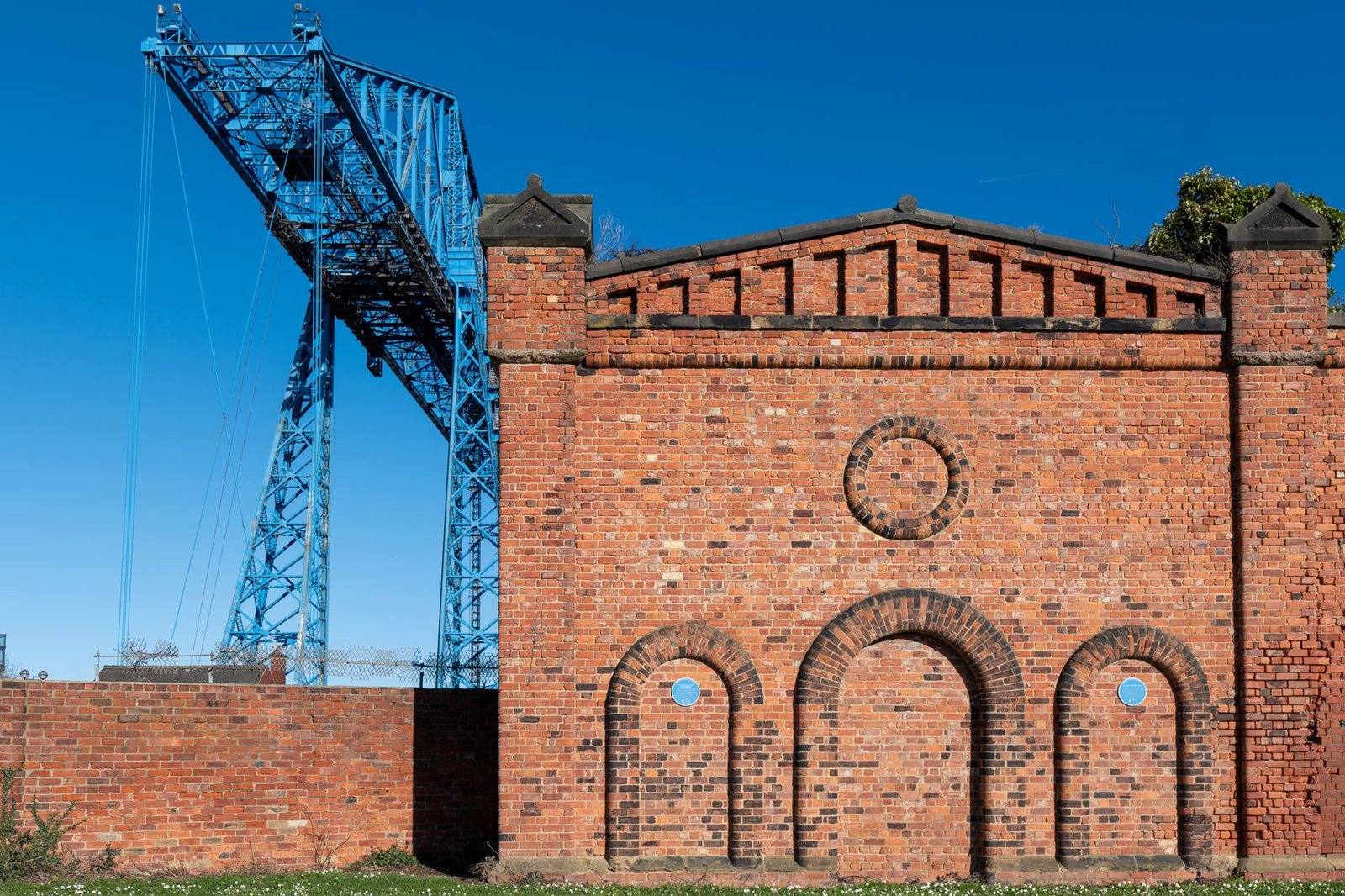
For decades, regional development in Britain turned on roads, rail and ports. Today the scarcest asset for a region hoping to attract technology investment is something most people never think about: a reliable connection to the electricity grid. National Grid’s move to buy 29.5 hectares at Dorman Point on Teesside, earmarked for what could become the largest substation in the UK, is a clear signal that the north-east intends to compete for that prize.
The site sits on land owned by Teesworks, the public-private partnership reshaping the former steelmaking heartland. Planning applications for a datacentre spanning close to 500,000 square metres have already been lodged, and the government has reportedly identified the location for a new AI facility. Put those pieces together and the substation begins to look less like a utility project and more like the foundation of a regional industrial strategy.
Why Capacity Matters More Than Location
Ben Houchen, the Tees Valley mayor, was blunt about the obstacle facing UK datacentre developers: securing enough power, quickly, is the hardest part. Connection queues have stretched for years in parts of the country, and developers have increasingly looked to the United States, the Gulf and continental Europe, where capacity can be secured faster. The figure of up to 3.2 gigawatts being discussed for Teesside would place the area in a different league, enough to support serious hyperscale ambitions if the grid upgrades arrive on schedule.
There is also a sovereignty argument that goes beyond megawatts. Houchen’s point that sensitive data should be stored on British soil reflects a wider political anxiety about dependence on foreign cloud infrastructure. The government’s draft national policy statement on datacentres, which likens them to railways and electricity networks in their importance to the economy, suggests Whitehall now treats this infrastructure as strategic rather than incidental.
The Local Licence Problem
Still, the ambition carries risks that a shiny substation announcement cannot dispel. Datacentres consume enormous volumes of electricity and water for cooling, and communities from Auchtertool near Edinburgh to Brick Lane in London have pushed back against proposals. Reports that AI companies were warned they had roughly a year to head off public opposition before facing US-style protests suggest the industry knows the social licence is fragile. Teesside may welcome jobs and investment, but residents will eventually ask who pays for the grid reinforcement, what the environmental footprint looks like, and whether the promised employment materialises.
If the Teesside project succeeds, it could become a template for how Britain connects new industrial demand to a grid that was never designed for it. If it stalls, the story will be another example of ambition outrunning infrastructure.
What This Means for Buyers and Adopters
For most people, a substation in the north-east will not change anything overnight. Yet the chain of consequences is worth following. More domestic AI compute means faster, lower-latency services for British businesses, more options for cloud providers, and potentially more competitive pricing as supply grows. It also means that the AI tools consumers and companies buy over the next few years will increasingly be hosted closer to home, which matters for privacy, compliance and performance. Anyone weighing a new laptop, a cloud subscription or an enterprise AI platform should watch where the infrastructure is going, because the availability and cost of those services will track the power and buildings behind them.