
Why Paper Still Wins the Planning Battle
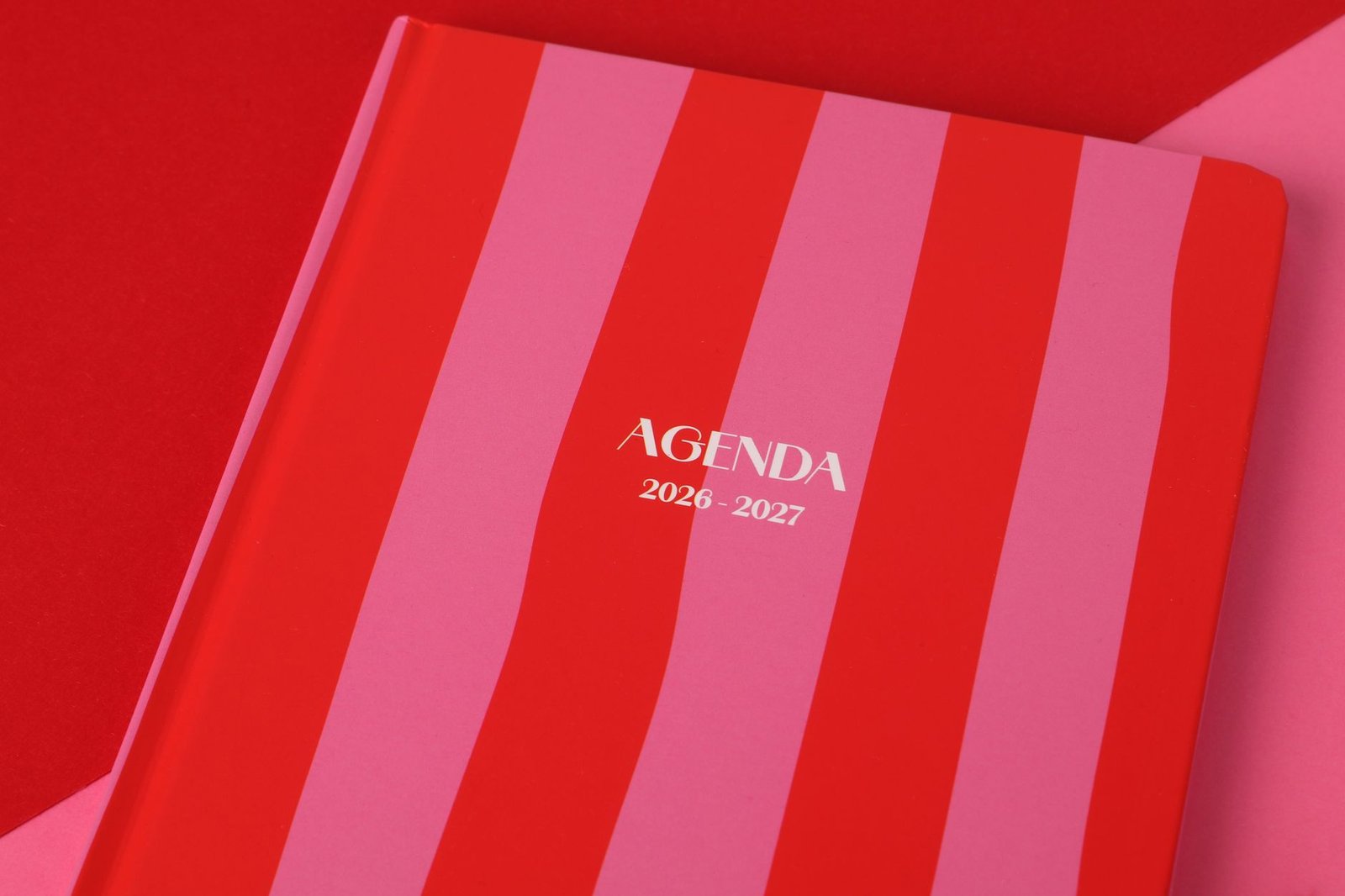
There is a quiet irony in the current state of productivity technology. Despite years of calendar apps, reminder systems, and AI assistants promising to run our lives, a growing number of people are returning to the humble paper planner. Retailers have noticed. Planner companies now release their next year’s designs in late autumn, and many shoppers are buying their 2027 books before the current year has even closed. The appeal is easy to understand. A notebook does not send notifications, does not ask for a subscription, and does not change its interface overnight. It simply sits on a desk and waits to be filled in.
The market reflects that demand. What was once a narrow choice between a drugstore agenda and a bookstore journal has widened into a genuinely diverse category, with specialized layouts, premium paper stocks, modular systems, and imports from Japan. For consumers, that variety is useful but also overwhelming. The question is no longer whether to buy a planner, but which of dozens of designs will actually be used past February.
Choosing a Format Over a Brand
The most reliable advice in this category is to decide on a working style before shopping. A weekly layout with generous writing room suits people who manage projects and appointments. A daily format, like the Hobonichi Techo or the Cousin, rewards those who want to journal alongside scheduling, and its Tomoe River paper is thin yet resists bleed-through. Modular systems such as Cloth & Paper’s travel notebook setup let buyers swap in new inserts when a section fills up, which reduces waste and lets a single cover last for years. Academic planners remain a strong fit for students and anyone tracking deadlines, though they typically run on an August-to-July cycle, making them a poor match for a January fresh start.
Price matters too. Several of the options discussed here sit well under forty dollars, while premium Japanese imports and large-format desk planners can cost considerably more. Buyers should also weigh size. A B5 planner offers abundant space at home but is cumbersome in a bag, while an A6 or A5 book travels more easily but may feel cramped for long lists. Undated designs, which several reviewers favor, offer a useful safety net: missed weeks do not leave blank pages behind, and the book can be started in any month.
What the Planner Boom Signals for Buyers
The renewed interest in analog tools is more than a nostalgia trend. It points to a broader pattern in which consumers are rethinking how much of their attention and personal data they want to hand over to software. Many people who love digital calendars still keep a paper book for planning, journaling, or habit tracking, and some pair the two deliberately, using a wall calendar or digital notebook for shared schedules while reserving paper for personal goals. That hybrid approach is becoming a common purchasing pattern rather than an outlier.
For shoppers, the practical takeaway is to buy early if a specific design matters, since popular editions and Japanese imports often sell out as the year turns, and to read a layout carefully before committing. The planner that gets used is almost always the one that fits a real daily habit, not the most attractive cover on the shelf. As 2027 approaches, the strongest buying signal in this market is simple: people want tools that help them slow down and write things down, and they are willing to pay for the experience.