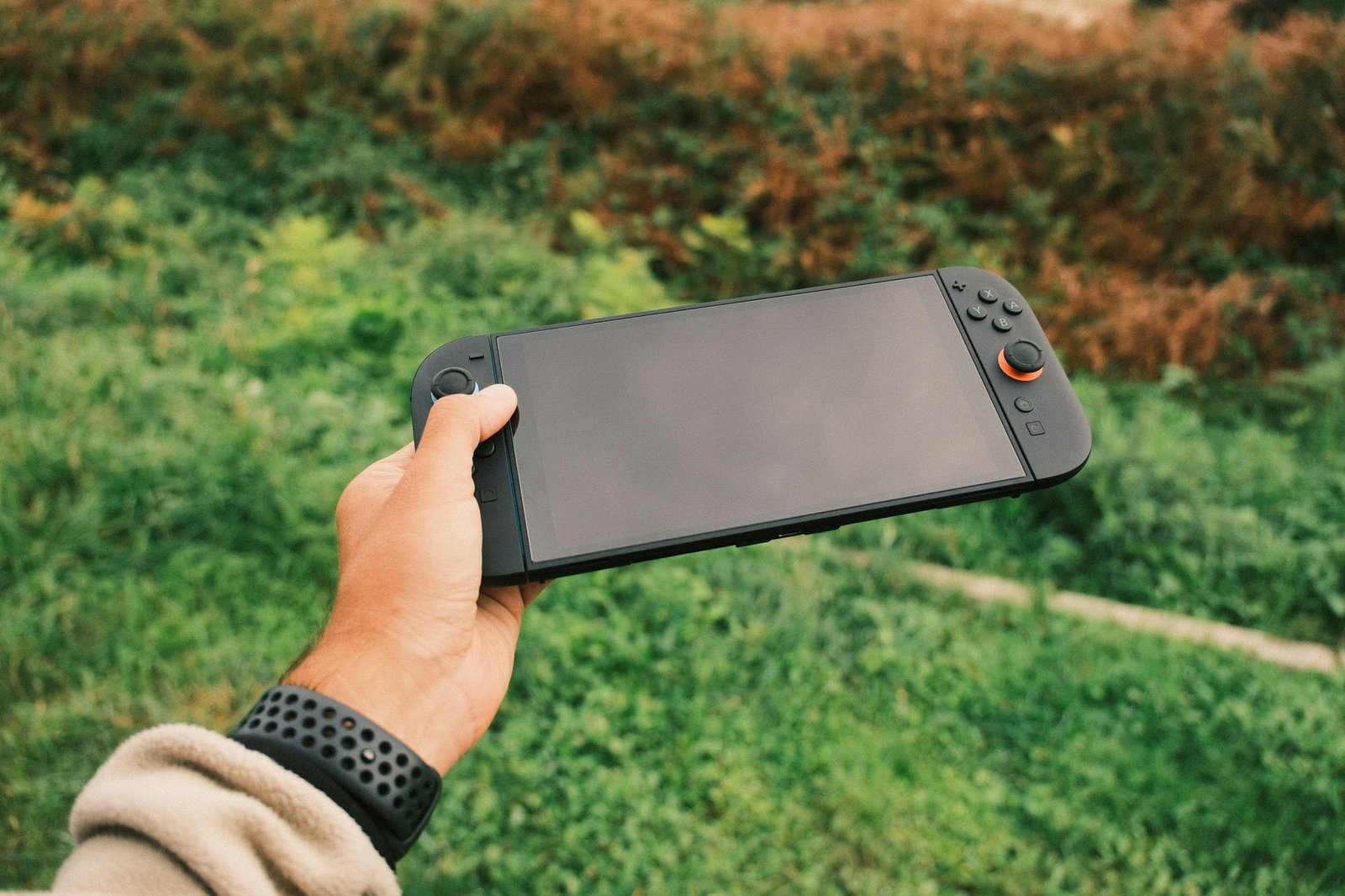

Why Handheld Batteries Are the Weak Link
Handheld consoles have become remarkably capable, from the Switch 2 to the Steam Deck OLED, yet their batteries remain the most constraining part of the experience. The more processing power a device packs into a slim chassis, the shorter its runtime tends to be. Lithium-ion cells are the reason, and they follow a predictable arc: capacity fades with every charge cycle until a console becomes practical only when docked. Nobody escapes that physics, but how you treat the battery determines how gracefully that decline unfolds.
Replacement is also less convenient than many owners expect. Nintendo does publish instructions for certain models, yet the battery sits inside the device rather than in an accessible compartment. That design choice means the most reliable way to extend a Switch’s useful life is preventive care rather than a later repair.
Charging Habits That Actually Slow Degradation
The most damaging habit is letting a Switch drain to zero. Each deep discharge consumes part of the battery’s finite cycle budget, and the Switch 1 is rated for well beyond 800 cycles, so the effect accumulates quietly. Nintendo also recommends topping off roughly every six months when the console sits unused, since a fully depleted cell can lose its ability to accept a charge altogether.
Charge level matters too. Lithium-ion chemistry is happiest somewhere between empty and full, with a common rule of thumb placing that sweet spot between 20 and 80 percent. The Switch 2 makes this easier through its Stop Charging Around 90 percent option under System Settings. Owners heading out on a long trip can disable it beforehand to reclaim the final stretch of runtime, then re-enable it afterward.
Temperature and Replacement Realities
Heat is the quieter threat. Nintendo’s stated operating range runs from 41 to 95 degrees Fahrenheit, and charging in intense sunlight or hot cars accelerates capacity loss well before the console shows symptoms. Cold is less permanently harmful, as performance typically recovers once the device warms up. Keeping a Switch out of direct sun while it charges is one of the simplest protections available.
When the battery does wear down, the path forward is not trivial. Nintendo strongly recommends contacting customer service rather than attempting a repair, and only certain Switch 2 units carry the marking identified as user-replaceable. A proper swap requires Nintendo’s dedicated replacement kit, a careful hand, and a grounded workspace, since static discharge can damage the board. For most owners, disciplined charging is the more practical strategy than planning a DIY overhaul.
For buyers weighing the next handheld purchase, battery longevity deserves as much attention as raw performance. A console that holds its capacity for years preserves resale value and delays the expense of service. As handhelds grow more powerful, expect battery health to become a sharper point of comparison in reviews and in shopping decisions, and treat it as a core feature rather than an afterthought.