

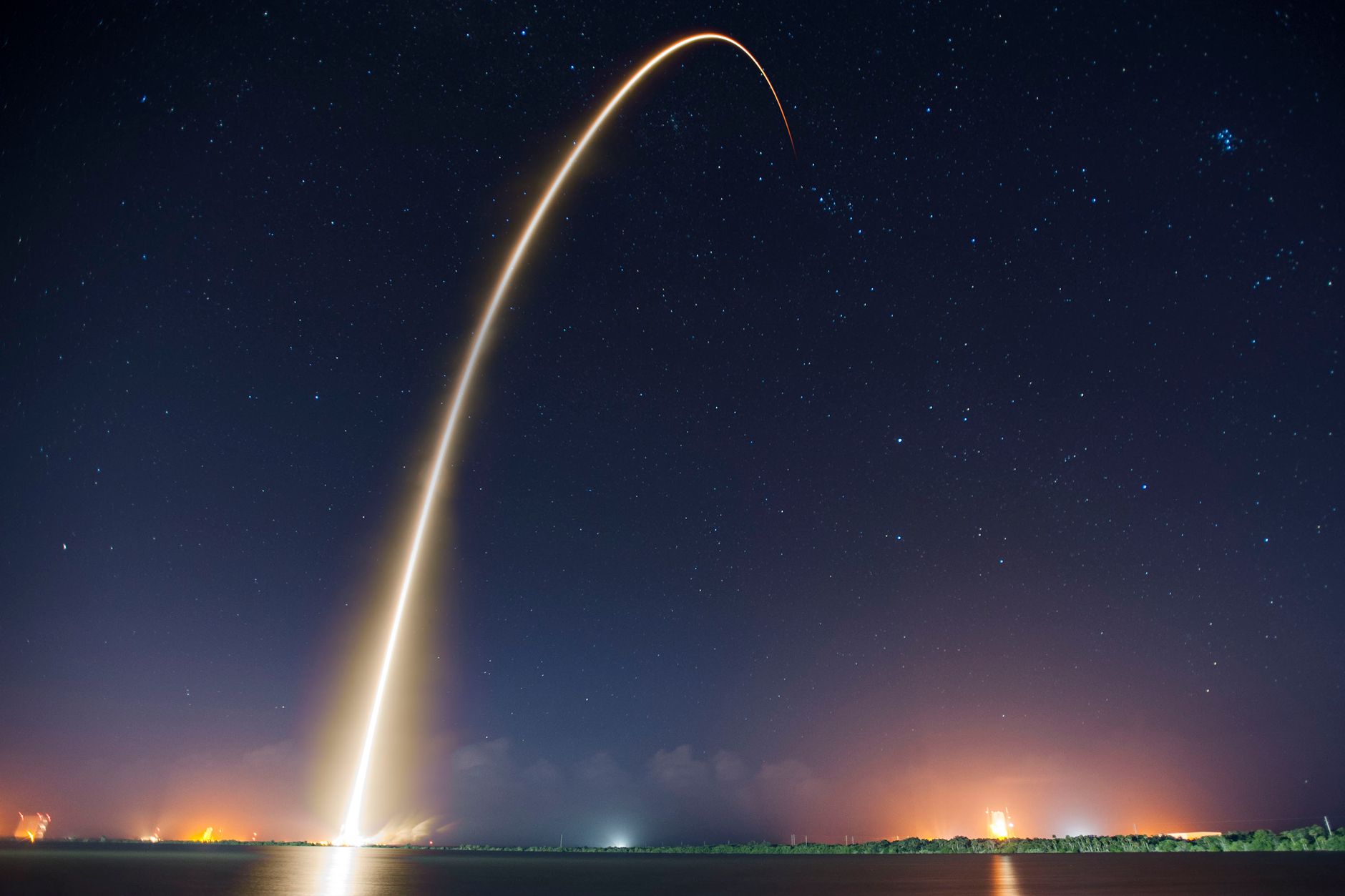

Space exploration just got a whole lot more exciting. SpaceX’s latest Starship test flight wrapped up on July 24, but the story did not end there. Not even close. After launching from SpaceX’s facility in South Texas and flying halfway around the world, Starship splashed down in the Indian Ocean fully intact, and that alone is worth celebrating loudly.
Why Surviving the Splashdown Is Such a Big Deal
Here is the thing: nobody expected this. In every previous Starship test, the spacecraft toppled over after splashdown and eventually broke apart in a fiery disintegration. Engineers actually planned for that outcome. The post-flight destruction was treated as an acceptable trade-off because onboard sensors, cameras, buoys, and deployed drones could still capture all the heat shield performance data SpaceX needed before the vehicle went under. The system worked, but it was always a one-way trip for the hardware.
This time, Starship tipped over and simply stayed in one piece. The heat shield, which has been one of the most closely watched components through every test campaign, apparently held up well enough to keep the vehicle structurally sound all the way through splashdown. That is not just a happy accident. That is a signal that the engineering refinements SpaceX has been quietly stacking up are starting to compound in meaningful ways.
Twenty-Four Days at Sea and Still Going
What happened after the splashdown is just as remarkable. SpaceX spent 24 days recovering the vehicle at sea, an operation that required coordination across an enormous stretch of open ocean. The fact that the ship remained intact long enough to be towed back is a testament to both the durability of the design and the ambition of the recovery effort. No previous Starship had given the team anything close to this kind of opportunity.
For context, SpaceX’s long-term vision includes full and rapid reusability for Starship, the same philosophy that made the Falcon 9 booster program so transformative for the commercial launch industry. A Starship that can survive splashdown intact is a Starship that could one day be refurbished and reflown, which changes the entire cost equation for deep space missions, satellite deployment, and eventually crewed flights to the Moon and Mars.
What This Means for the Future of Space Tech
Progress like this has a real ripple effect for everyday consumers and tech enthusiasts. As Starship moves closer to reliable reusability, the cost of getting hardware into orbit drops dramatically. That means cheaper satellite internet services, faster iteration on space-based technologies, and a growing ecosystem of products and companies built around affordable access to space.
If you are someone who follows next-generation connectivity, satellite communications gear, or emerging aerospace hardware, now is a genuinely exciting time to pay attention. The milestones Starship is hitting today are the foundation for the consumer tech breakthroughs arriving tomorrow. Staying informed means staying ahead of what to buy and why it matters.