

Apple has never been a company that plays small, and its latest reported project is no exception. The tech giant is quietly developing an enterprise-grade AI server powered by its own high-performance M-series Ultra chips, the same silicon that already has AI developers lining up to buy Mac minis and Mac Studios by the truckload. If everything goes to plan, this server could land on the market around 2029, marking Apple’s first server product in nearly 20 years.
Why Apple Jumping Into AI Servers Is a Really Big Deal
The enterprise server market is massive. Global server revenues topped $150 billion in 2024, and AI-optimized hardware is one of the fastest-growing segments within that space. Right now, that market is dominated by players like NVIDIA, AMD, and custom silicon from the big cloud providers. Apple entering this arena signals that Cupertino is serious about competing at the infrastructure level, not just the device level.
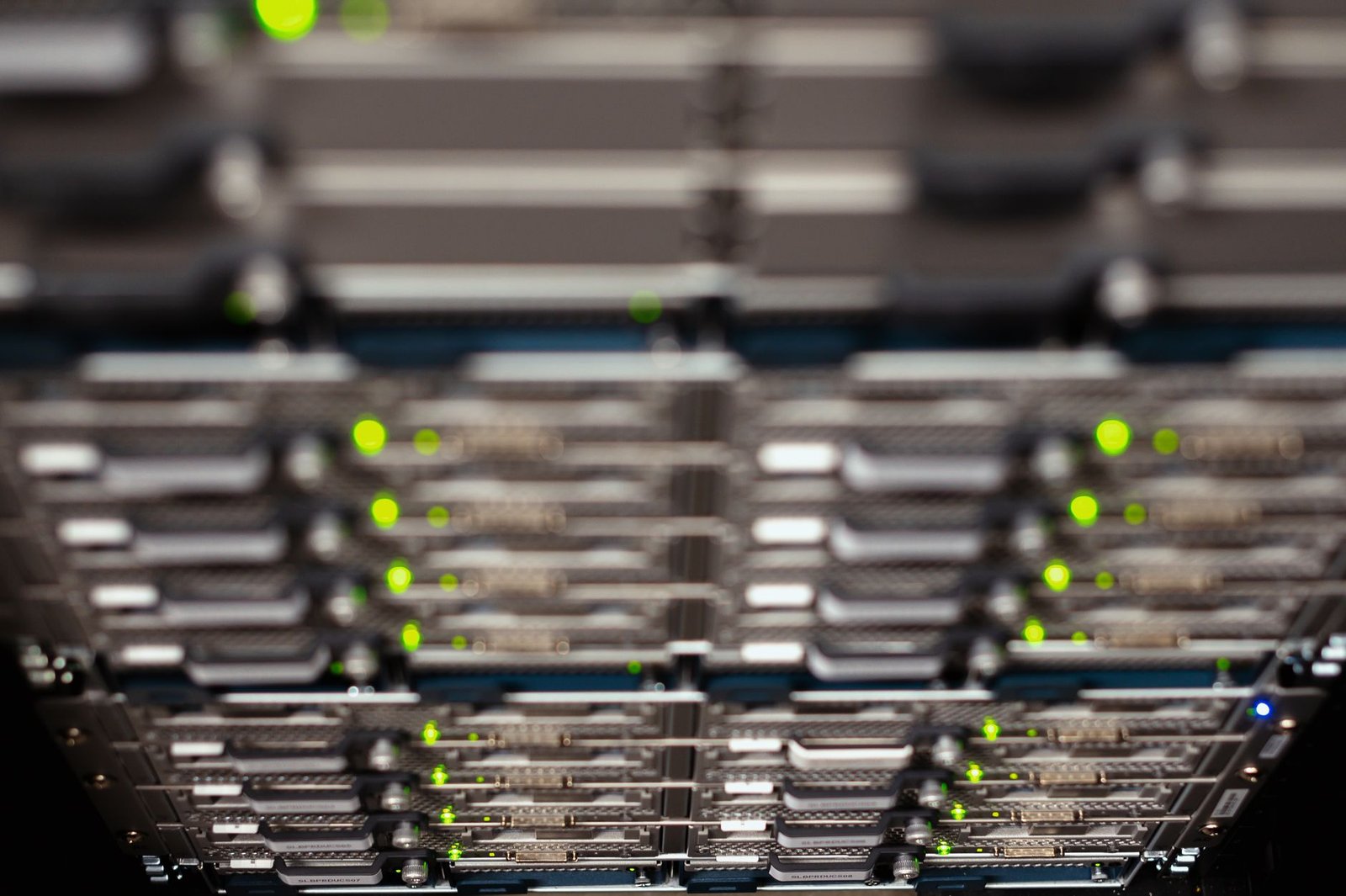
The reported server would come in two configurations featuring either two or four of Apple’s next-generation M8 Ultra chips. To put that in perspective, the current M4 Ultra already delivers jaw-dropping performance on unified memory architecture. Multiply that by four in a single server rack, and you are looking at a machine that could genuinely challenge traditional GPU-based AI inference systems on both performance and power efficiency.
Apple Hardware Is Already a Favorite Among AI Builders
Here is what makes this story even more interesting: the demand already exists. Apple’s Mac mini and Mac Studio have been flying off the shelves as AI startups, independent developers, and research teams adopt them for running large language models and other AI workloads locally. The unified memory architecture in Apple Silicon means these machines can handle models that would choke a similarly priced Windows PC. Apple is not creating a market here. It is following one that is already forming around its own products.
The project reportedly received backing from Apple’s current CEO John Ternus, who championed it during his time leading hardware engineering. That kind of executive sponsorship early in a product’s lifecycle usually means it has real momentum inside Apple, not just a skunkworks experiment that fades away quietly.
What This Means for Buyers Watching the AI Hardware Space
If you are a tech decision-maker, an AI developer, or even a curious consumer keeping tabs on where computing is heading, this development is worth watching closely. Apple entering the server market would likely drive competition, push prices on AI compute hardware in a healthier direction, and validate the idea that ARM-based chips can anchor serious enterprise infrastructure.
For anyone already using or considering Apple Silicon machines for AI work, this news is a strong signal that the ecosystem is only going to deepen. Investing in Apple hardware today means getting ahead of a platform that Apple clearly intends to scale aggressively into the data center. The hardware decisions you make now are laying the groundwork for how you will run AI workloads tomorrow.