
A Feed Where You Are the Lead Actor
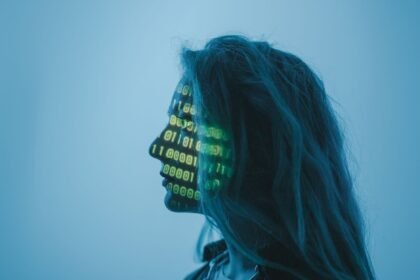
Imagine opening a streaming app and finding a full-length movie in which you play the hero. The plot is built around your interests, your age, and even the sports scores you checked that morning. That is the vision laid out in a recently published Google patent for a system called My Channel. The application was rejected for now, but the company could appeal or resubmit an amended version, so the idea is worth taking seriously rather than dismissing as a curiosity.
According to the filing, My Channel would draw on demographic details, viewing habits, and device signals such as IP addresses and GPS location. Those inputs would become prompts for a large language model that generates video tailored to each viewer. The patent even describes connecting to other streaming services, which would give the system far more data about what people watch and enjoy.
Entertainment or Engagement Machine?
Stories have always worked partly because we step outside ourselves. We learn how a character thinks by watching choices we would never make. A feed that places your own likeness at the center of every narrative reverses that process. Instead of empathizing with a stranger, you are simply watching a mirror. The patent suggests Google believes seeing yourself onscreen may be enough to hold attention, and that assumption deserves scrutiny.
There is also a practical concern about narrowing taste. Recommendation systems already tend to show people more of what they already like. A system that manufactures bespoke content on demand could make that filter bubble far tighter, reducing the chance of stumbling onto something unfamiliar. For platforms chasing watch time, that is a powerful incentive, even if it leaves viewers with less variety.
The Privacy and Authenticity Question
Beyond taste, the patent raises questions about personal data. Building digital avatars requires photos, videos, and audio clips of real people, and blending that with location and behavioral signals creates a detailed profile. Regulators in the European Union and several U.S. states have already begun pressing companies on how biometric and likeness data are collected and used, so a product like this would face scrutiny well before it reached a living room.
Critics also point to the gap between generative output and genuine artistry. Video models can imitate the look of films they were trained on, but they do not hold intentions or perspectives the way writers and directors do. That is why many in the industry use the word “slop” to describe unrequested AI content. Whether audiences will accept endless personalized output in place of crafted storytelling remains an open question.
For shoppers and tech adopters, this patent is a useful signal rather than a finished product. It shows where streaming economics may be heading: toward hyper-personalized feeds powered by deep personal data. Anyone weighing a new streaming subscription, smart TV, or AI-enabled device should look closely at what data is collected, how avatars or likenesses are handled, and whether a service offers real choice over its recommendations. The most valuable purchases in this next wave may be the ones that respect both your attention and your privacy.