

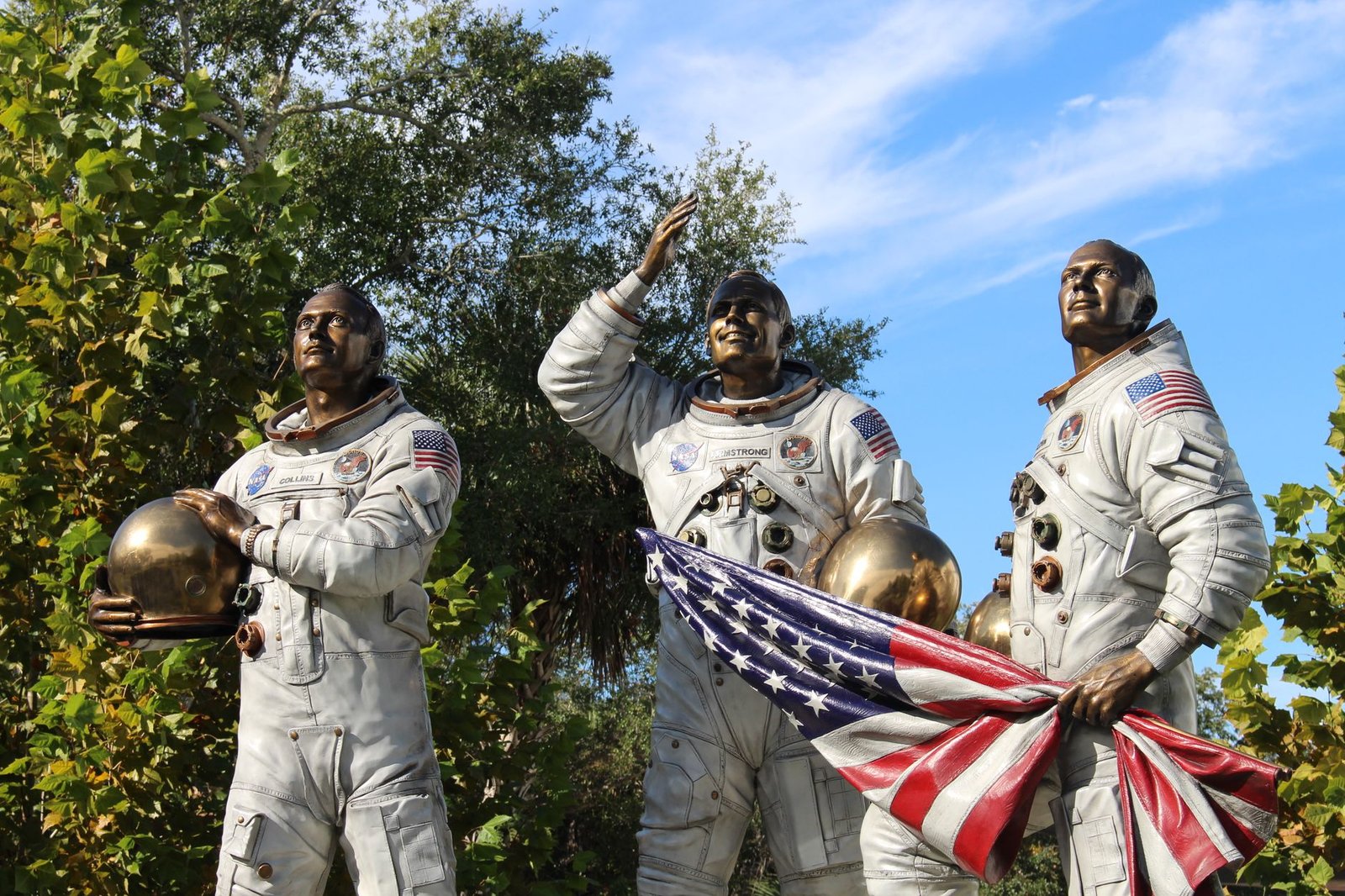

The world lost one of its quiet giants this week. Milt Windler, a NASA flight director whose steady hand helped guide the Apollo 13 crew back to Earth after a catastrophic oxygen tank failure in 1970, passed away at the age of 94. His death closes a chapter on an era of human ingenuity that still shapes how we think about problem-solving under pressure today.
The Man Behind One of History’s Greatest Rescues
Windler was named a NASA flight director in 1968, but his roots in the space program stretched back further into the Mercury and Gemini programs, where he worked on critical recovery operations. By the time Apollo 13 unfolded its terrifying drama 200,000 miles from Earth, Windler was one of four flight directors rotating shifts around the clock to keep three astronauts alive inside a damaged spacecraft. That four-day rescue operation remains one of the most studied crisis management events in modern history.
What made Windler and his peers remarkable was not just technical knowledge. It was the ability to make fast, high-stakes decisions with incomplete information, coordinating hundreds of specialists across multiple disciplines simultaneously. That kind of systems thinking is now a foundational principle in everything from hospital emergency rooms to software incident response teams.
A Career That Defined the Golden Age of Human Spaceflight
Windler’s contributions extended far beyond Apollo 13. He directed flight controller shifts during Apollo 8, humanity’s first journey around the Moon, and Apollo 10, the dress rehearsal that made the actual Moon landing possible. He then supported the successful lunar landings of Apollo 12, Apollo 14, and Apollo 15 before transitioning to lead flight director duties on all three crewed Skylab missions, America’s first space station program.
Skylab itself is often overlooked in popular culture, yet it produced groundbreaking research in solar observation, materials science, and long-duration human spaceflight, data that directly informed the design of the International Space Station decades later. Windler was present for all of it, a consistent and dependable force across more than a decade of extraordinary achievement.
Why This Legacy Matters for the Next Generation of Space Technology
The principles Windler embodied, rigorous preparation, disciplined communication, and creative problem-solving under constraint, are now being embedded into AI-assisted mission control systems, autonomous spacecraft software, and commercial space operations run by companies like SpaceX, Blue Origin, and Rocket Lab. NASA’s Artemis program, which aims to return humans to the Moon this decade, is building directly on the procedural and cultural frameworks that Windler helped establish.
For consumers and investors watching the commercial space sector grow, understanding this heritage matters. The reliability standards that saved Apollo 13 are the same standards that companies now market when selling satellite internet services, space tourism experiences, and Earth observation subscriptions. Trusting the technology of tomorrow starts with understanding the human discipline that built the technology of yesterday. Milt Windler was central to that story, and his legacy is very much still at work.