

A Crown Emoji Is Not a Strategy
When a chief executive returns to the job, the reaction usually tells you more about the reactors than the returner. On Monday, the social feeds filled with crowns, royal titles and the kind of devotion normally reserved for sports legends. Elon Musk wrote that “the mistake has been corrected,” and Sam Altman offered a one-word cheer. For a moment it looked as though the entire artificial intelligence industry had gathered to celebrate one man. Look a little closer, though, and the picture is more complicated. The loudest voices belonged to figures whose companies are deeply tied to Nvidia’s graphics processors, while several of the most powerful names in tech, including the leaders of Google, Meta and Apple, chose not to comment at all.
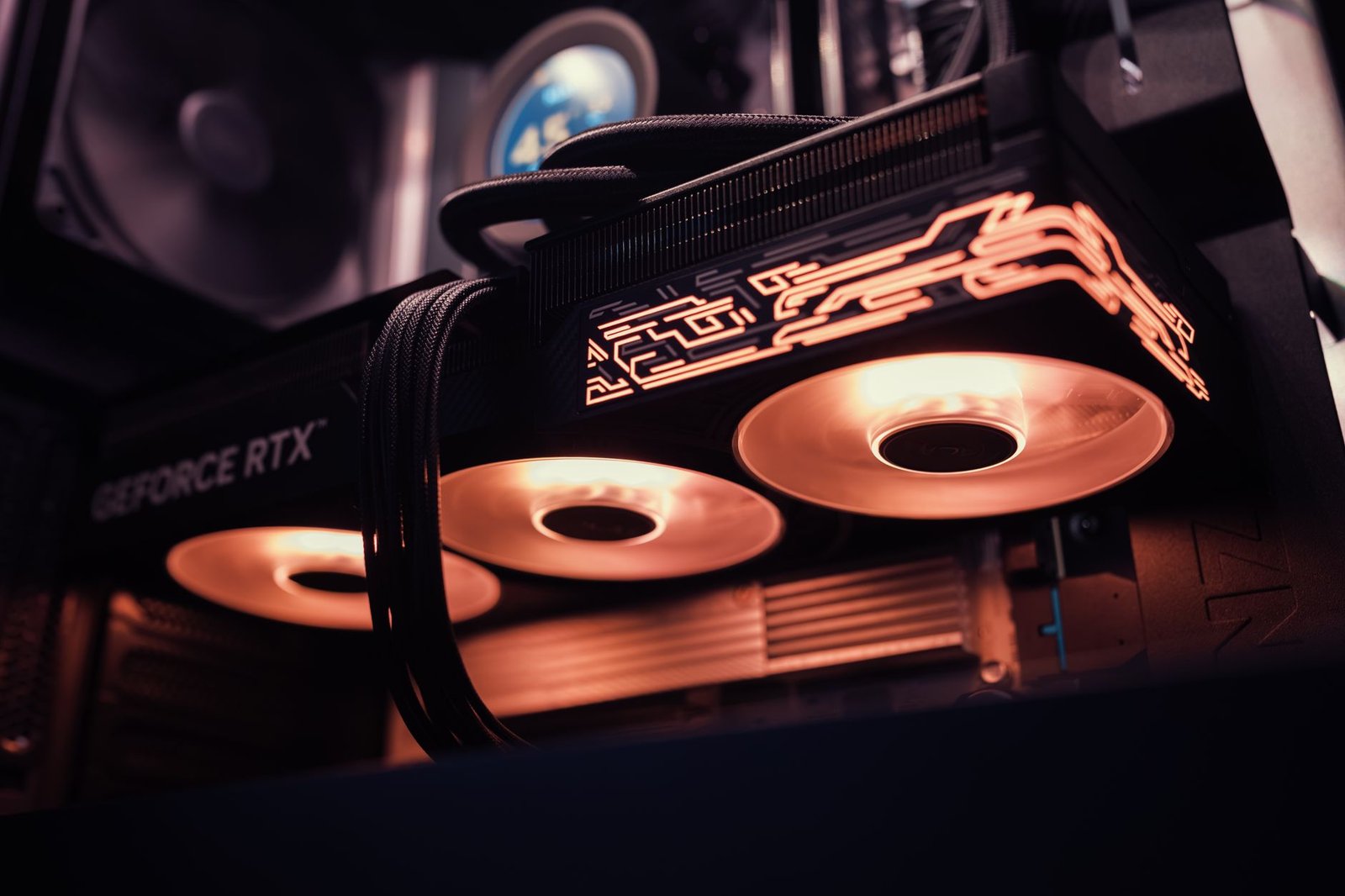
That silence deserves attention. Nvidia currently sits at the center of the AI buildout, with its data center chips powering the large language models that Google, Meta and OpenAI are racing to train and deploy. Each of those companies has spent billions on Nvidia hardware and, in many cases, is simultaneously developing its own custom silicon to reduce that dependence. A public endorsement of Huang can be a commercial gift, but it can also be a strategic entanglement. Staying quiet is the safer move for a company that wants to keep its options open.
Why Leadership Still Matters in Silicon
It is tempting to dismiss the celebration as internet theatre, yet leadership in the chip business carries real weight. Nvidia’s rise over the past few years has been unusual because it combined hardware with a software ecosystem, most notably the CUDA platform, that made switching to rival chips costly for developers. Much of that strategy traces back to Huang’s long tenure and his willingness to bet heavily on AI before the market was obvious. Investors tend to price that kind of vision into the stock, and any change at the top raises questions about whether the next phase of growth will be as bold. A return, then, is less about personality and more about continuity of a strategy that has delivered enormous returns.
There is also a broader lesson about how the industry handles its most visible figures. Tech has a habit of treating founders and chief executives as near-mythical, and social media amplifies that tendency. Crowns, anointments and religious metaphors are entertaining, but they can obscure the harder questions about supply chains, pricing power and the concentration of computing resources in a handful of companies. When a single supplier becomes this essential, the health of the entire AI sector depends on decisions made in one boardroom, and that is a far more sobering thought than any emoji.
What Buyers and Builders Should Watch Next
For businesses and developers, the practical question is not who cheered loudest but what happens to availability, pricing and product roadmaps. Nvidia’s accelerators remain in tight supply, and any shift in leadership or direction could ripple through cloud pricing and the timelines for new AI products. Competitors such as AMD and a growing field of custom chip designers are watching closely, hoping that the next chapter opens a window. The silent companies are watching too, quietly preparing contingency plans that may matter more over the long run than any public declaration of loyalty.
For consumers and buyers, this moment is a reminder that the AI tools reaching phones, laptops and workplaces rest on an infrastructure that few people understand. Purchasing decisions about AI-enabled devices, cloud subscriptions and enterprise software are indirectly shaped by boardroom moves like this one. Tracking where the big players place their bets, and noticing who speaks and who stays silent, can help buyers anticipate which platforms will remain stable and which may face cost or availability shifts. In a market where adoption depends on trust in the underlying hardware, the quiet voices may end up telling the more useful story.