

Touch Returns to the Prosthetic Hand
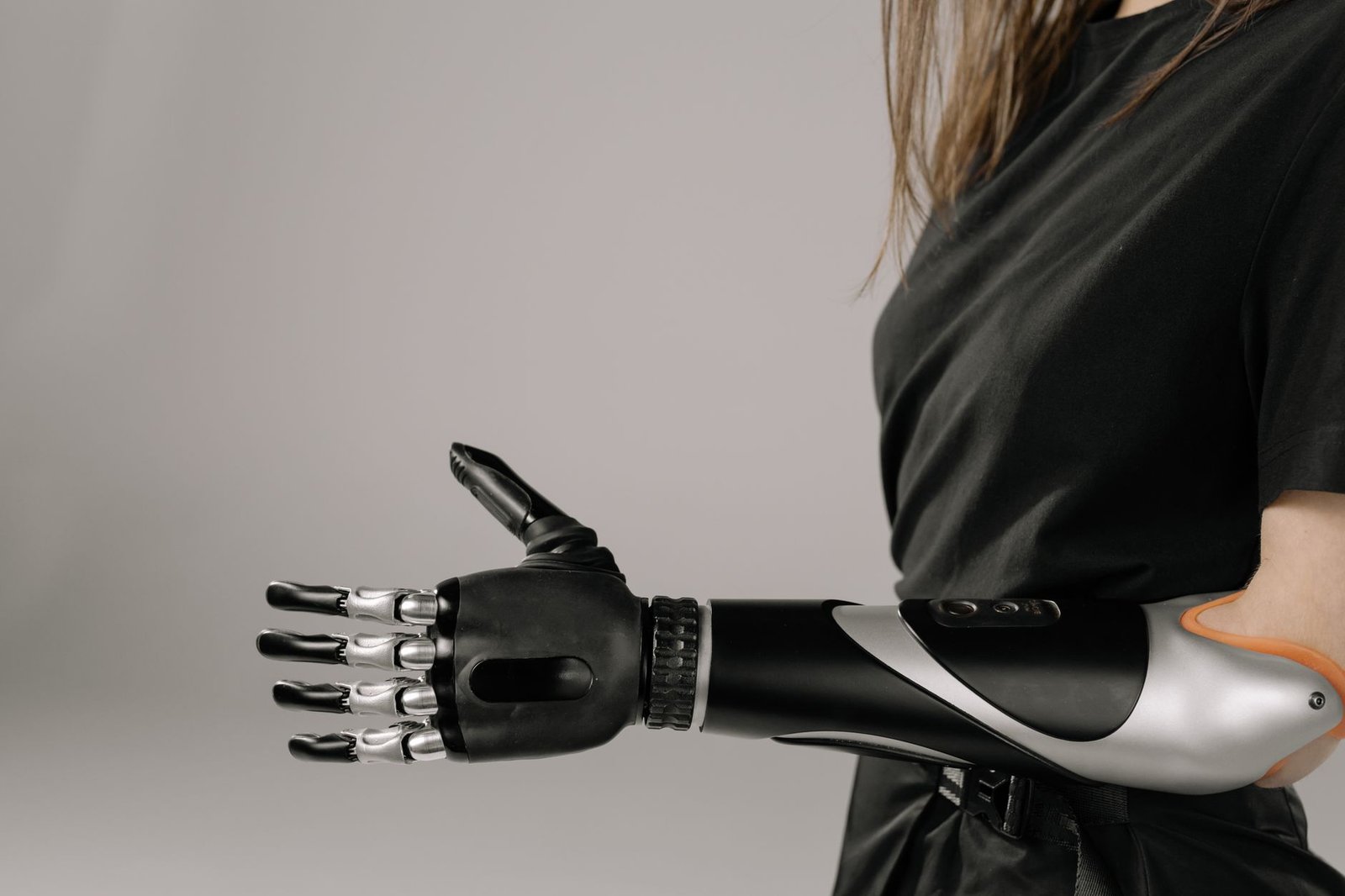
For most of the history of artificial limbs, the trade-off has been stark. A prosthetic hand could grip, lift, and sometimes pinch, but it offered its wearer no sense of what it was actually holding. Users learned to rely on sight, squeezing too hard on a paper cup or too lightly on an egg. A new experimental device is trying to close that gap by wiring a bionic hand directly to the nerves in the forearm, allowing the wearer to feel pressure again. Avi Davidson, who lost his left hand as a teenager, is the ninth person to receive the implant and the first to take it home and use it independently. For him, that means being able to handle grapes, eggs, and the hand of a loved one without guesswork.
The significance goes beyond one man’s daily routine. Prosthetics have improved steadily in strength, dexterity, and battery life, but sensation has lagged behind. Researchers see sensory feedback as one of the missing pieces that could make artificial limbs feel less like tools and more like body parts. Because the work is still early, the team is watching closely how the device affects not only hand function but also how the brain and nervous system adapt to a limb that sends signals back.
Why Real-World Use Matters More Than Lab Results
Clinical demonstrations often look impressive in controlled settings, but the true test of any assistive technology is whether people keep using it once the novelty fades. Taking a device home changes the equation. Charging, calibration, comfort over long hours, and the unpredictable demands of a kitchen or a crowded street all become factors. Davidson’s independent use is therefore valuable evidence, offering a first look at whether sensory prosthetics can survive contact with ordinary life. It also highlights a broader challenge: implanted devices require surgery, specialist support, and long-term maintenance, which limits how many people can benefit in the near term and how quickly costs could fall.
What This Signals for the Future of Assistive Tech
Advances like this rarely stay confined to a single patient. The combination of neural interfaces, miniaturized electronics, and better machine learning is pushing prosthetics toward something closer to natural movement and feedback, and similar research is spreading across the field of brain-computer interfaces. For consumers, the path from clinical trial to retail shelf is long, and regulatory approval, insurance coverage, and price will shape who ultimately gets access. Still, the direction is clear: buyers and clinicians are increasingly expecting assistive devices that respond to touch and adapt to the user. As these products mature, the strongest demand will likely come from people who have lived with limited sensation for years and are actively searching for solutions that restore everyday independence.