


A Legacy That Still Sets the Bar
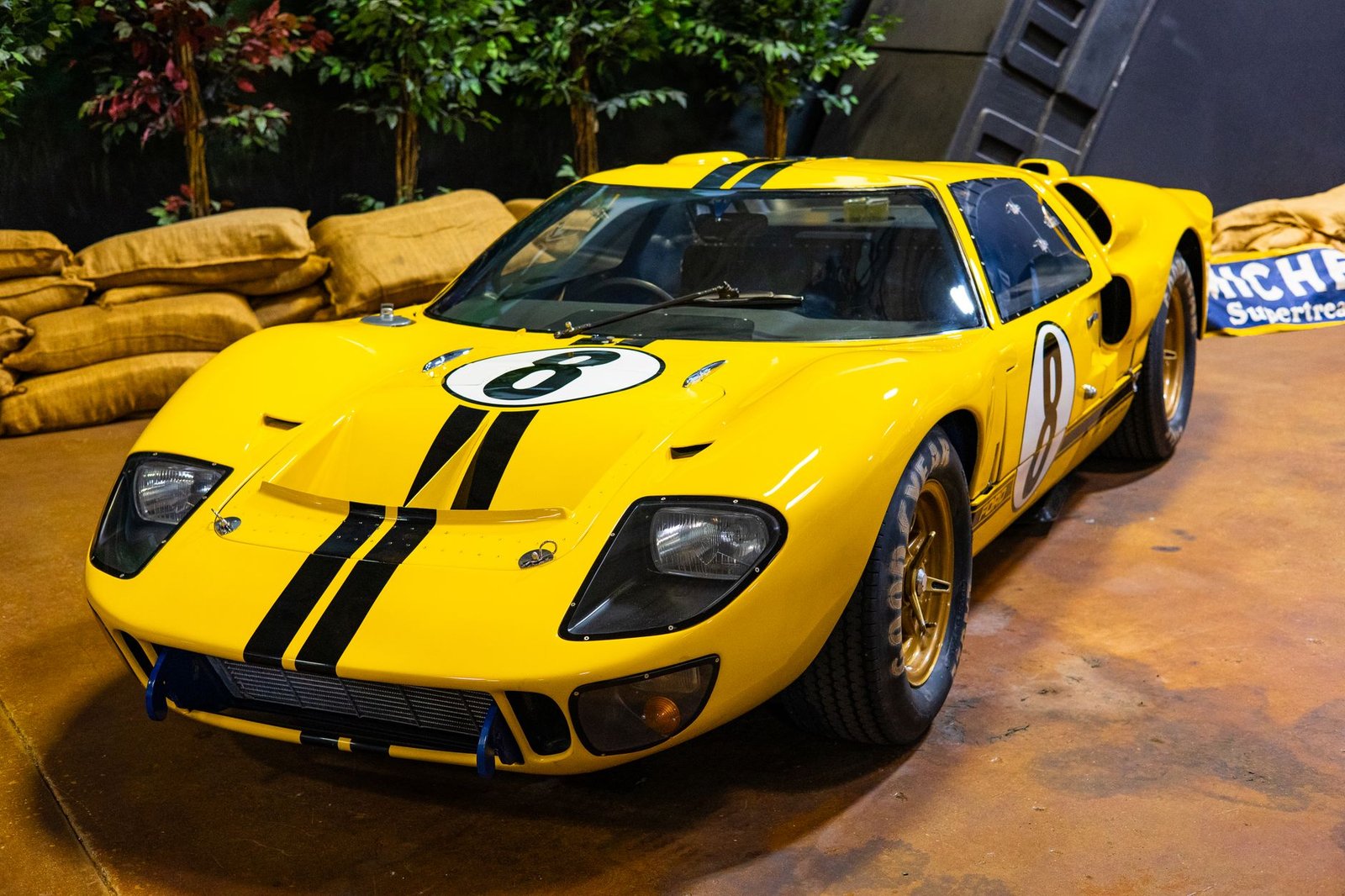
Sixty years ago, Ford rewrote the record books at the 24 Hours of Le Mans. After two humbling attempts, its GT40 crossed the line first, and that moment still defines the company’s racing identity. Ford has returned to the French circuit many times since, sometimes with podium-worthy pace and sometimes with frustration. A class win during the GT40 fortieth anniversary showed the brand could still compete, but the overall trophy has remained out of reach. That history explains why the debut of the GT41 carries so much weight inside the company.
The reveal itself was an unusual piece of theater. Ford chose to introduce the car during the Detroit Lions and Chicago Bears football game, a move that put a race car in front of a massive mainstream audience. The accompanying video was directed by Zack Snyder with a voice-over from Matt Damon, signaling that Ford wants this program to reach people far beyond the paddock. For a brand trying to reconnect enthusiasts with its performance heritage, that kind of visibility is a deliberate statement.
Why the LMDh Route Makes Practical Sense
Ford’s engineering approach follows a path many competitors have taken. Rather than building every component from zero, the GT41 uses the rear-wheel-drive LMDh formula, which begins with one of four approved carbon fiber chassis. In this case, Ford is partnering with Oreca, the same firm supplying chassis to Genesis and Acura. Ferrari and Aston Martin have chosen to design their machines more independently, which gives them greater control but demands far more time and money. The LMDh framework lowers the barrier to entry while still letting manufacturers differentiate through powertrain, bodywork, and development work.
Dan Sayers, who leads Ford Racing’s Hypercar program, was candid about the road ahead. He described the 2027 target as a milestone on a longer journey and acknowledged that the Hypercar class is intensely competitive. That honesty matters. Endurance racing rewards patience, reliability, and disciplined development over flashy launches. Ford appears to understand that winning Le Mans again will depend less on one dramatic season and more on steady, measurable progress.
What This Means for Buyers and Tech Adoption
Race programs have a long record of influencing the cars people actually drive. Hybrid systems, lightweight materials, and advanced aerodynamics often appear in showrooms years after they prove themselves on track. For shoppers watching the performance segment, the GT41 is a signal of where Ford’s engineering priorities may be heading, from efficiency gains to thermal management and energy recovery. Interest generated by a high-profile reveal like this one can also shape brand loyalty, which feeds directly into purchase decisions for sports cars, performance trims, and eventually road-going halo models. As Ford invests in Le Mans, buyers who value motorsport credibility will have a clearer picture of which technologies are being tested at the highest level before they reach their own driveways.