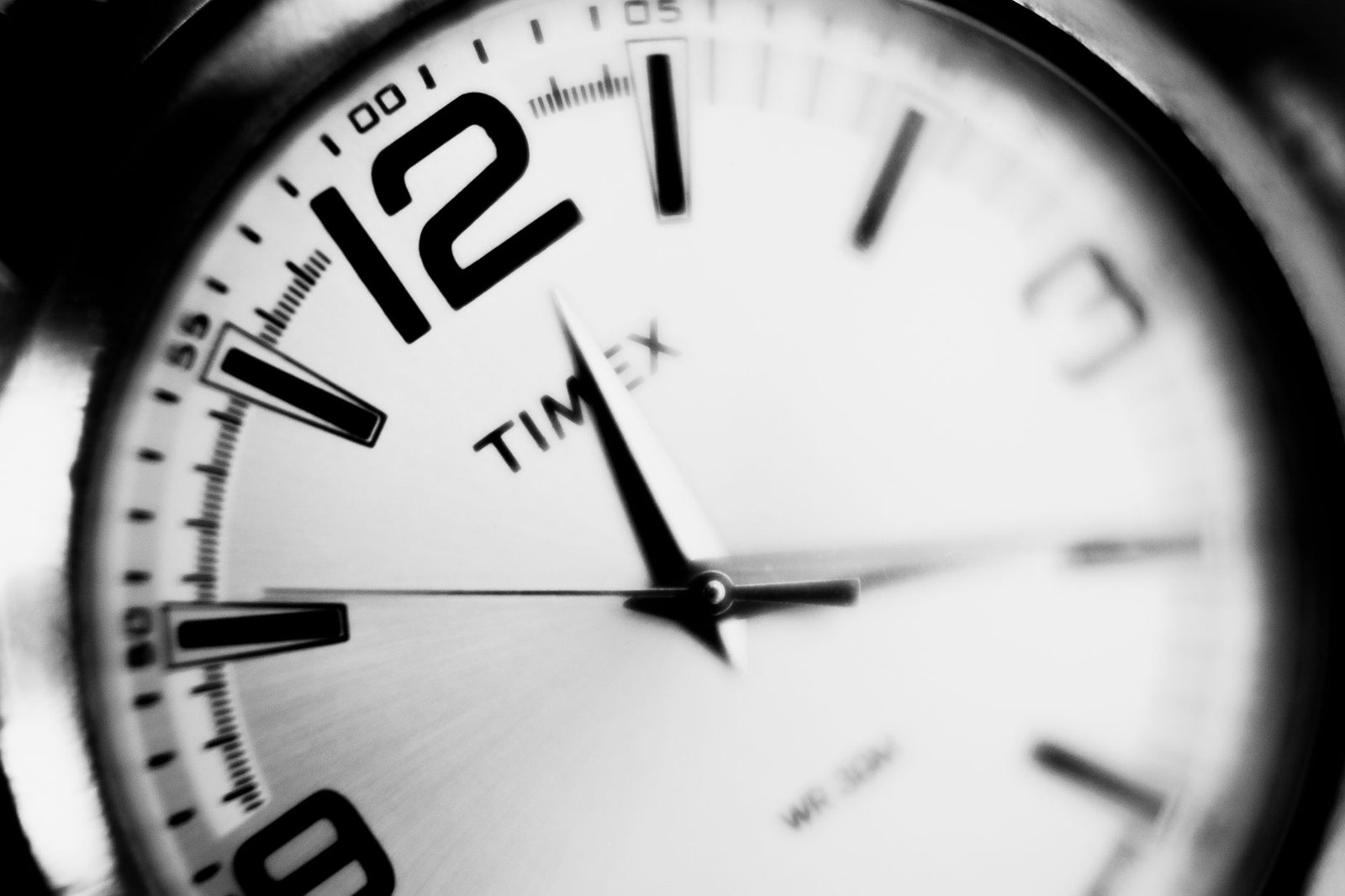

Why a Single Second Carried So Much Weight
For most people, a leap second is the sort of detail that never registers. Clocks on phones and laptops quietly absorb it, and life goes on. Yet for three decades, metrologists have argued over whether this occasional nudge to Coordinated Universal Time was still worth the trouble. Now the question has an answer. The International Bureau of Weights and Measurements has decided to stop issuing leap seconds starting in May 2027, after 32 of them have been added since 1972.
The underlying problem is simple to describe and stubborn to solve. Atomic clocks tick with remarkable steadiness, while the Earth’s rotation wanders under the pull of tidal friction, its molten core, and shifts in oceans and atmosphere. Over time those two clocks drift apart, and the leap second was the patch that kept human timekeeping tied to the sky.
The Hidden Cost of a Tiny Correction
A second sounds trivial until you consider how much software depends on UTC being a clean, predictable count. Databases, financial trading systems, telecom networks, and GPS receivers all assume time moves in orderly steps. When a leap second arrives, some of those systems stall, duplicate records, or misfire. Qantas famously saw its booking system disrupted in 2012, and engineers at large internet companies have spent years building workarounds, including the so-called smear method that stretches an extra second across an entire day.
Every workaround carries engineering time, testing budgets, and operational risk. Multiply that across the millions of devices and cloud services in use today, and the hassle becomes a real line item. Retiring the leap second removes a recurring source of friction that many organizations have quietly tolerated for years.
Why Climate Change Changed the Math
Perhaps the most striking part of this story is the looming prospect of a negative leap second. Melting polar ice is redistributing mass around the planet, which shifts its rotation and could make the Earth spin slightly faster. A 2024 study in Nature suggested a negative adjustment might have been needed as early as 2029. Negative leap seconds have never been tested in the wild, and industry trials reportedly turned up several failures. Facing an untested scenario with potentially serious consequences, the standards bodies chose caution. Ending the practice avoids a high-stakes experiment that few systems were ready to survive.
The decision also gives the industry a planning window. Between now and 2027, developers and infrastructure teams can audit how their software handles time, retire brittle smearing logic, and make sure devices receive reliable updates. Hardware with long lifecycles, like embedded sensors and industrial controllers, may need the most attention.
For consumers, the practical impact will be almost invisible, and that is precisely the point. Your phone, your smart home hub, and your car’s navigation will keep working as they always have. The difference will show up in fewer outages and fewer odd glitches when a timestamp refuses to behave. As connected devices multiply, that kind of invisible reliability becomes a selling point in its own right. Buyers increasingly favor products from brands that keep their systems stable and updated for years, and quiet infrastructure decisions like this one are part of what makes that possible. Watch for vendors who highlight long-term software support and clear time-sync practices as the 2027 transition approaches, because those signals often separate dependable hardware from products that will need replacing sooner than expected.