

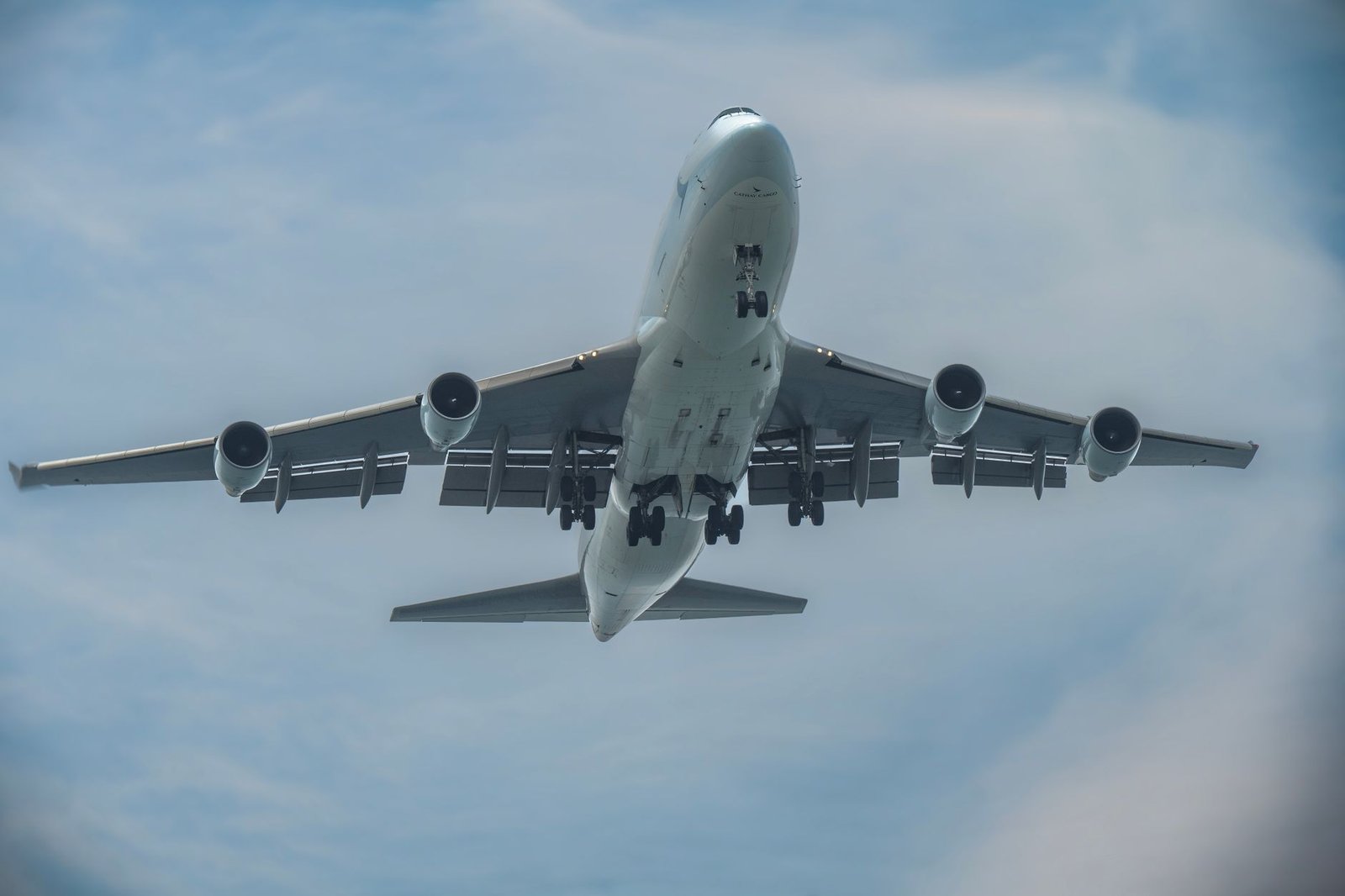

A Rocket Long Overdue for Its Comeback
After a long stretch of waiting, United Launch Alliance’s Vulcan rocket appears close to flying again. The no-earlier-than date for its return to flight is October 29, and the mission carries Amazon Leo satellites. A second Amazon Leo flight is also planned for later this year, which suggests the company is aiming to build a steady rhythm rather than a single headline event. If the solid rocket boosters perform as expected, Vulcan could finally begin to show the launch cadence that its backers have promised since the rocket was first unveiled.
Cadence is the metric that matters most in the launch business. A vehicle that flies twice a year is a curiosity, while one that flies every few weeks becomes infrastructure. SpaceX set the benchmark here, with Falcon 9 routinely flying at a pace that few competitors have matched. That dominance has left customers with limited choice, and it has pushed government and commercial buyers to seek a second reliable provider. Vulcan’s path to a major breakthrough in cadence next year would give those buyers the alternative they have been waiting for.
Falcon 9 Scrubs and the Value of Redundancy
The report also highlights a rare scrub involving Falcon 9, a reminder that even the most reliable launch vehicles face occasional delays. Scrubs are routine in spaceflight, but they carry real costs for satellite operators who have scheduled deployments, insurance commitments, and ground crews tied to a fixed window. When a dominant provider pauses, customers feel the ripple effects quickly. This is precisely why redundancy has become a strategic priority across the satellite industry, and why a second heavy-lift option matters so much for mega-constellation builders.
The broader market is also widening. South Korea’s Nuri rocket completed its fifth flight this week, deploying five satellites for the country’s first domestically launched microsatellite constellation. Nine of the ten CubeSat secondary payloads were released as planned, though PERSAT-02, developed by the startup Quaternion, failed to separate from the rocket. The mixed outcome is a useful reminder that national launch programs and private payload developers are maturing together, and that every deployment is a test of both the rocket and the hardware riding on it.
What This Means for Buyers and Adopters
For most readers, launch schedules feel distant from everyday purchasing decisions. Yet the satellites deployed on these missions power the connectivity, navigation, and imaging services that consumers increasingly rely on. Broadband from low Earth orbit constellations, for example, depends on steady launch capacity to reach its promised coverage. When launch providers compete on price and reliability, the savings and service improvements eventually reach end users through lower subscription costs and faster rollouts. Shoppers evaluating satellite internet plans, GPS-enabled devices, or Earth observation data subscriptions are, in effect, participating in the outcome of these launch decisions.
As Vulcan prepares for its return and new national programs gain experience, the shift toward a more diversified launch market is becoming easier to see. For consumers and businesses tracking which satellite services will expand next, the health of the launch sector is a leading indicator worth watching closely.