

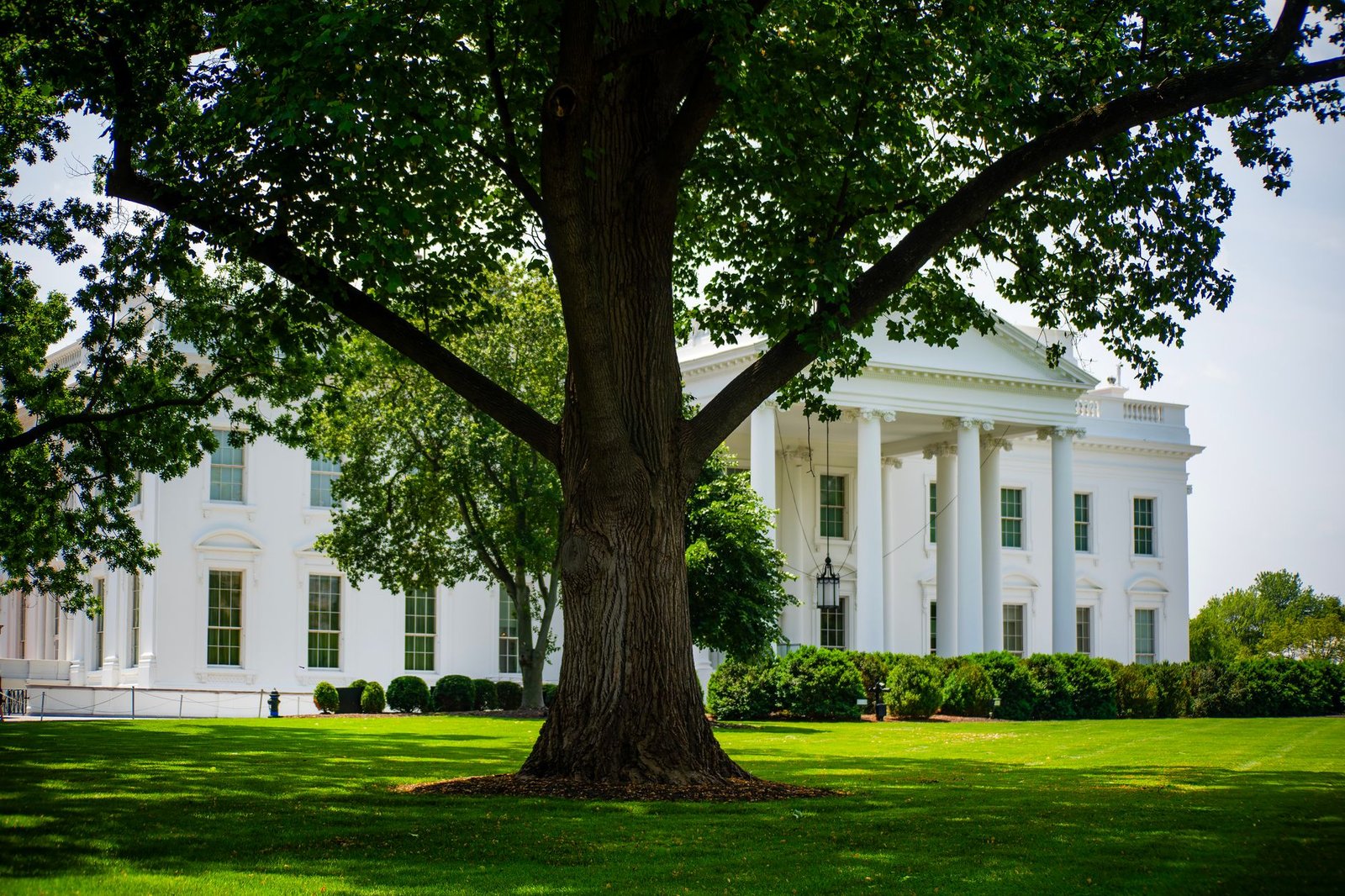

Something has shifted inside the West Wing. Behind the public optimism that President Trump continues to project about Republican chances this November, his aides are quietly running very different numbers. Internal conversations have turned, for the first time in this administration, to the real possibility of losing both the House and Senate. That is not a small admission from a team that prides itself on political confidence.
The Polling Numbers Tell a Stark Story
A recent Wall Street Journal poll placed Trump’s approval rating at just 37 percent, the lowest recorded for any sitting president heading into a midterm election since modern polling on this benchmark began in 1990. Experienced Republican operatives who correctly called the 2024 presidential race are not sugarcoating it. The language being used privately ranges from cautious pessimism to outright alarm. While the White House points to internal polling suggesting closer margins in individual House races, the national environment is difficult to spin away.
Fuel costs are compounding the political pain. Diesel prices have hit record highs, and regular gasoline recently averaged $4.43 per gallon nationally according to AAA data. Voters are not primarily focused on foreign policy wins or trade agreements. They are focused on what it costs to fill a tank and stock a refrigerator. That gap between the administration’s messaging priorities and what voters actually care about is a persistent and damaging one.
Foreign Policy Wins Are Not Closing the Gap
The White House has been actively searching for foreign policy momentum to energize its base before November. A new agreement with Denmark expands American military presence near Greenland, and an oil deal with Venezuela was announced with considerable fanfare. However, the Venezuela arrangement faces serious legal complications, as it appears to assert a 100-year production concession that directly conflicts with Venezuelan national law. These are not the clean victories the administration needed to shift the political conversation.
Meanwhile, the administration’s positions on domestic tech policy, including resistance to AI regulation and expanded data center development, have placed it on the opposite side of public opinion on issues that matter to a growing segment of the electorate. Tech and energy policy are increasingly inseparable from everyday consumer life, and voters are noticing the disconnect.
Planning for a Post-Midterm Legal Battle
Perhaps the most revealing signal of the White House’s true expectations is where its strategic energy is now being directed. Senior aides are reportedly focused less on winning November and more on preparing for the wave of congressional subpoenas that a Democratic majority would immediately launch. The administration is expected to lean heavily on executive privilege and attorney-client protections, bolstered by the Supreme Court’s 2024 immunity ruling. Several of Trump’s former personal lawyers now occupy senior government legal roles, creating overlapping layers of protection that could delay oversight efforts for years.
For consumers and businesses tracking policy direction, this political uncertainty has direct implications. Regulatory ambiguity around AI, energy pricing, and data infrastructure affects purchasing decisions, technology adoption timelines, and investment in emerging platforms. When Washington is consumed by political survival, the policy clarity that businesses and consumers rely on tends to stall, making it harder to plan, buy, and build with confidence.