
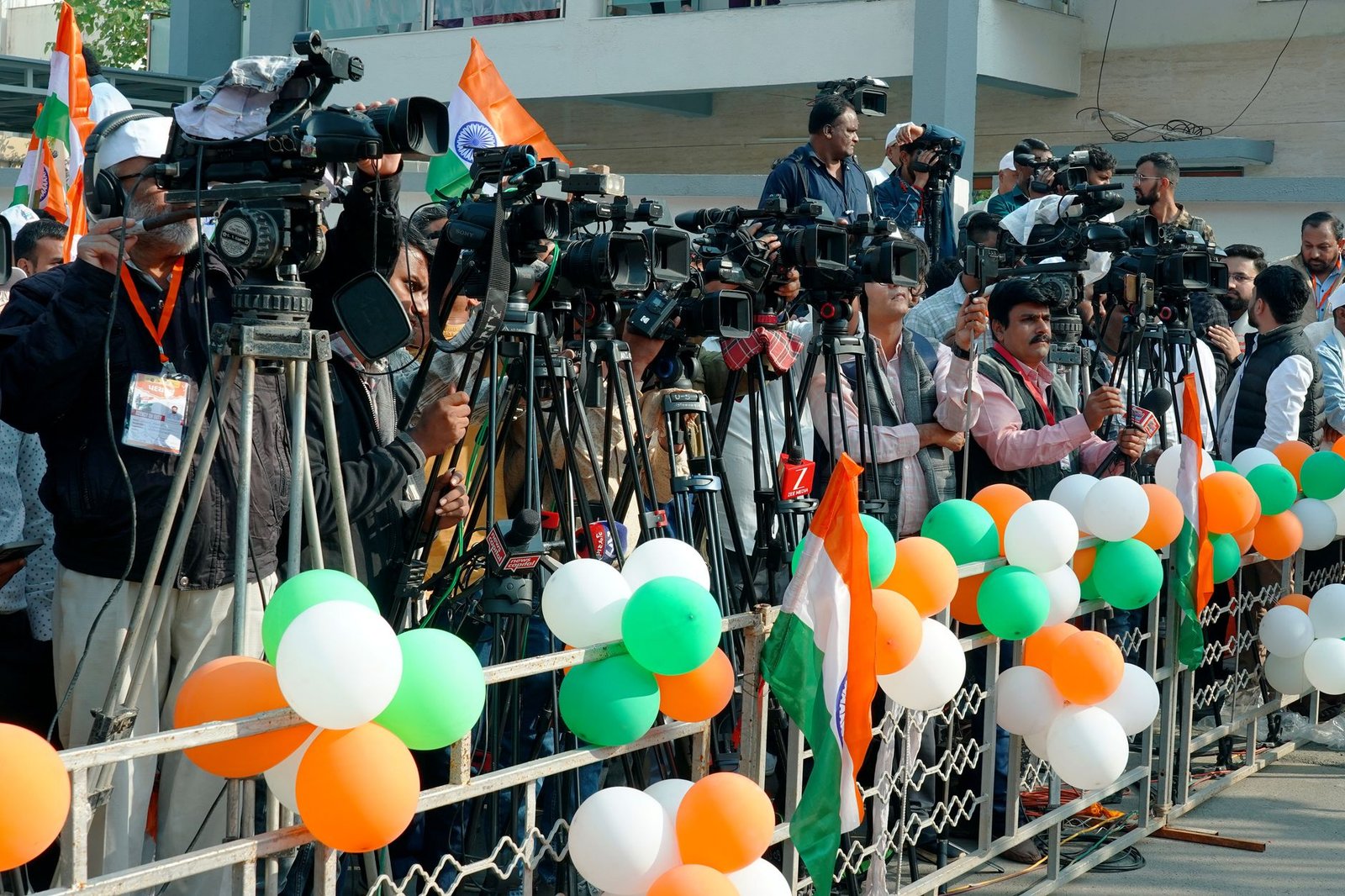

On a Friday morning in September 2026, journalists from three major news organizations showed up to do their jobs at the White House and were turned away. CNN, MS Now, and Politico reporters were denied entry to the complex, with at least one having her press credentials physically confiscated by Secret Service. This was not a rumor or a social media post. It happened, and it marks a significant escalation in an ongoing campaign against press freedom in the United States.
What Actually Happened and Why It Matters
The directive came while the chief of staff was reportedly out of town, and many senior White House staff were caught off guard by it. That detail alone says something important: this was not a carefully coordinated policy rollout. It was an impulsive move that the administration is now defending after the fact. Secretary of Defense Pete Hegseth publicly backed the ban, framing it as the outlets having chosen to leave rather than being pushed out, a characterization that contradicts what actually took place at the gate.
This is not the first time a journalist or outlet has been locked out. The Associated Press faced a similar ban in 2025 and has been in litigation ever since. A CNN reporter lost White House credentials during the first term before a court ordered them restored. The pattern is clear, and the administration has shown it is not particularly concerned about losing in court. The legal battles take time, cost money, and create chaos, which may be part of the point.
The Broader Attack on the First Amendment
What makes the current moment different is the scale and coordination across federal institutions. The Department of Defense has pushed reporters out of the Pentagon. The FCC has used its regulatory power to pressure broadcast organizations that air critical coverage of the administration. The First Amendment protects the press from exactly this kind of government interference, and courts have consistently upheld those protections. But legal victories take months or years, and the damage in the meantime is real.
All three organizations have stated clearly that they will continue reporting and will defend their constitutional rights. Their statements reflect a unified position: the White House belongs to the public, the decisions made there are funded by taxpayers, and journalists have a legal and civic right to cover them.
What This Means for Public Trust in Media and Tech
For consumers and tech users, this moment has tangible consequences. As traditional press access narrows, more people are turning to independent newsletters, podcasts, and digital-first platforms to stay informed. Demand for media tools that support independent journalism, encrypted communication apps, and verified news aggregators is rising steadily. If you are evaluating which news platforms or media technology tools to invest in, understanding how press freedom shapes the information landscape is increasingly relevant to making smart, informed choices about where you get your news and which platforms you trust.