

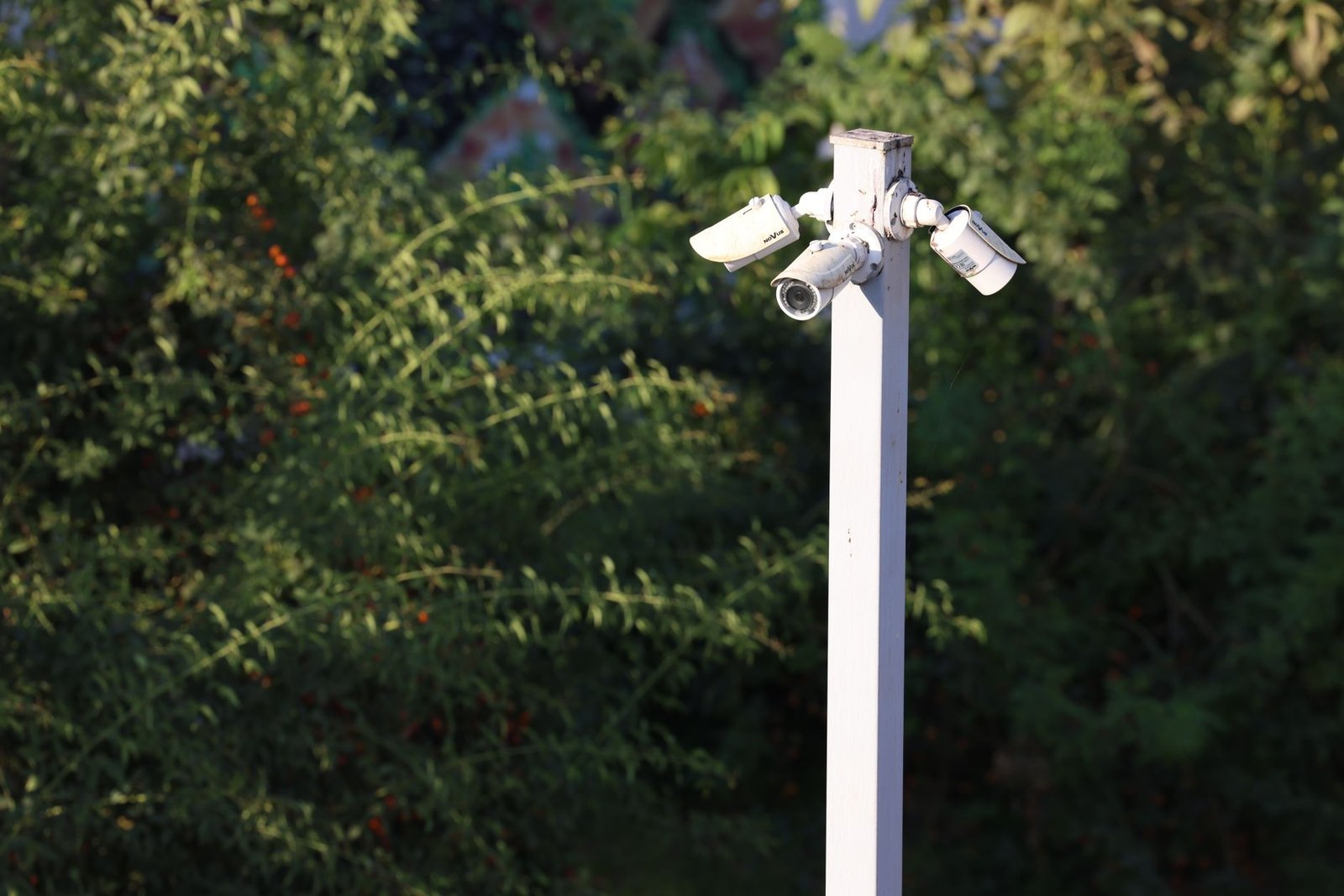

The United States has spent billions of dollars building what officials call a “virtual wall” along the southern border. Hundreds of AI-equipped surveillance towers scan the desert landscape, feeding real-time data to Border Patrol agents trained to respond. On paper, it sounds like a technological triumph. On the ground, the reality is far more sobering.
In April 2024, a 31-year-old man crossed into the US just hours before his birthday. He was within range of three active surveillance towers. He never made it out alive. His body was found 360 feet from the nearest tower, not by agents, but by landfill workers. The cause of death was recorded as environmental exposure, meaning heat and dehydration did what no enforcement action did.
A Crisis Hiding in Plain Sight of Government Cameras
This was not an isolated incident. A comprehensive analysis mapping nearly 4,000 locations where human remains were recovered against data on close to 600 surveillance towers revealed a troubling pattern. Deaths near these towers are disturbingly common. In at least 138 documented cases since 2022, migrants’ remains were found within the operational range of a nearby tower. More than half of those individuals were likely within a tower’s direct field of view when they perished.
The system’s failures are structural, not just situational. Investigators found broken towers that go unrepaired for extended periods, detection algorithms that miss people entirely, and agents who receive alerts but do not respond in time. These are not edge cases. They are symptoms of a system that was approved, funded, and deployed without sufficient accountability for what happens when it does not work.
A Billion More Dollars Is Headed Toward the Same Problems
Despite the documented failures, the US government is preparing to invest another $1 billion to expand the virtual wall, roughly tripling its current size. That expansion will push more towers into remote terrain where conditions are even harsher and response times even longer. Without serious reforms to how alerts are handled, how equipment is maintained, and how human welfare factors into enforcement protocols, scaling up a broken system only scales up its consequences.
Experts and advocates have proposed concrete changes, including mandatory response protocols when a person is detected, regular third-party audits of tower functionality, and clearer accountability chains when alerts are ignored. None of these require abandoning enforcement goals. They require treating the humanitarian dimension of border technology as a design requirement, not an afterthought.
What This Means for AI in High-Stakes Government Contracts
For consumers and businesses watching the AI procurement landscape, this story is a powerful case study. AI surveillance tools are being adopted at massive scale in life-or-death environments without adequate performance standards or failure-response plans. That gap matters beyond border policy. It shapes how governments will buy, deploy, and evaluate AI in healthcare, infrastructure, and public safety for years to come. Understanding where these systems break down is essential for anyone making decisions about technology adoption in critical sectors.