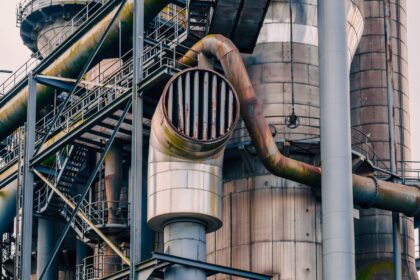


For more than fifty years, the United States has waged a slow, grinding battle against air pollution. The results have been genuinely impressive. Since the Clean Air Act was signed into law in 1970, combined emissions of six major harmful pollutants from vehicles and industrial sources have dropped by nearly 80 percent. That is not a small victory. It represents generations of regulatory effort, technological investment, and public health advocacy working together.
But a growing body of evidence now suggests that wildfire smoke is quietly erasing those hard-won gains, and the consequences are hitting some of the most vulnerable populations first.
Why Wildfire Smoke Hits Harder Than Traffic and Industry
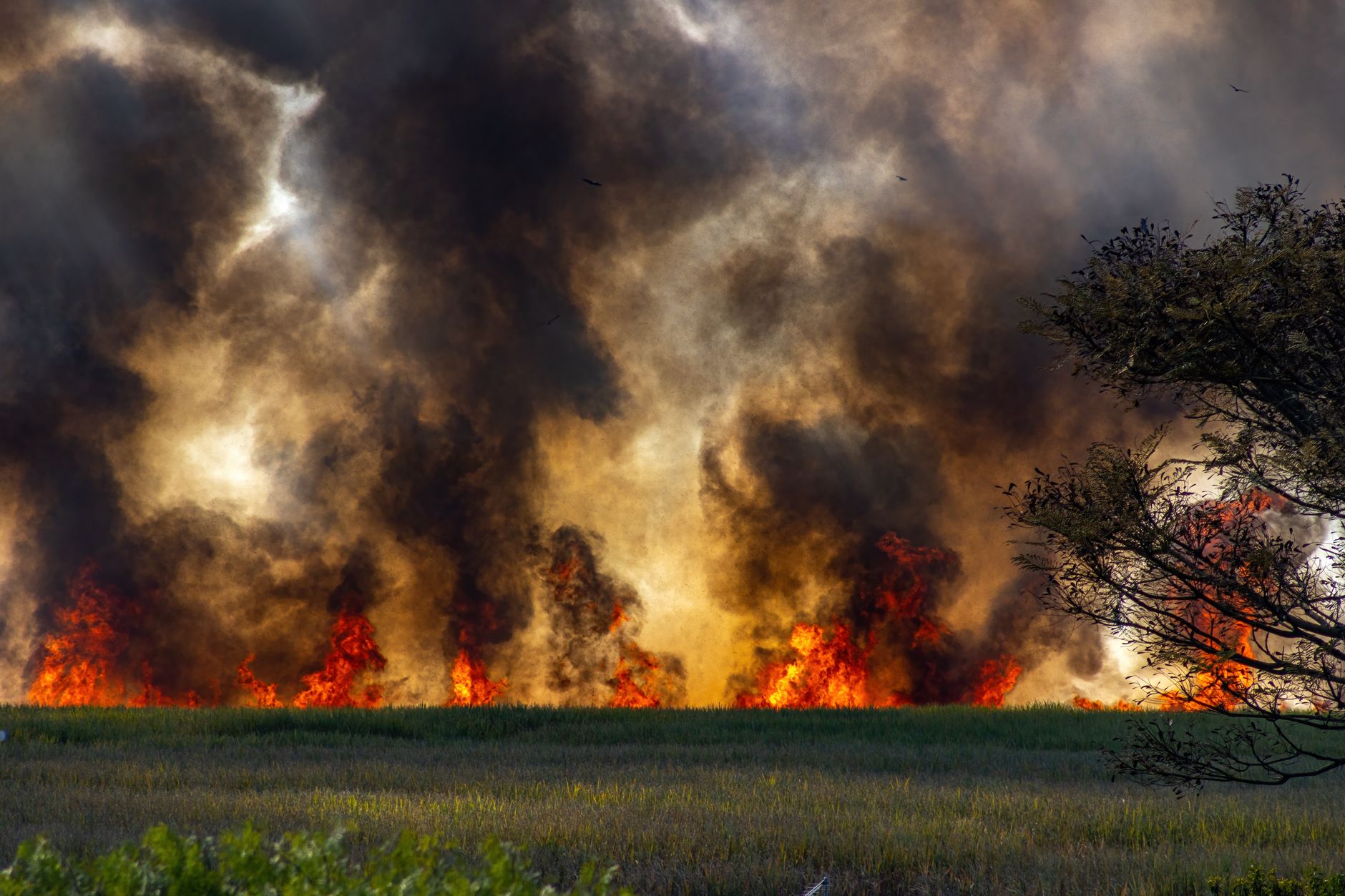
Not all air pollution is created equal. Researchers have found that the fine particulate matter released by wildfires, known as PM2.5, carries a different and more dangerous chemical composition than the pollution that comes from vehicle exhaust or factory emissions. These tiny particles penetrate deep into lung tissue and enter the bloodstream, triggering inflammation and disrupting organ function in ways that standard pollution measurements may actually underestimate.
For pregnant women, the risk is especially acute. Studies have linked wildfire smoke exposure during pregnancy to preterm birth, low birth weight, and developmental complications. What makes this particularly alarming is the scale. While industrial pollution tends to concentrate near specific facilities or highways, wildfire smoke drifts across entire regions, exposing millions of people simultaneously with little warning and almost no personal defense.
The Climate Connection Nobody Can Ignore Anymore
This is not a problem that appeared out of nowhere. The unchecked burning of fossil fuels has pushed average temperatures higher and pulled moisture out of forests and grasslands across the American West. The result is a longer, more destructive fire season that now regularly produces events too large and fast-moving for firefighting resources to contain.
In 2020, California alone recorded five of the six largest wildfires in its recorded history. The smoke from those fires traveled as far as New York and western Europe. Communities that had achieved clean air compliance under federal standards found themselves breathing air rated as hazardous for days or weeks at a time. The regulatory framework built around stationary and mobile pollution sources simply was not designed for this kind of threat.
What This Means for How Families Are Spending Their Money
Policy changes will take years. In the meantime, families are acting now. Sales of air purifiers with HEPA and activated carbon filtration have surged during major smoke events, and demand for portable air quality monitors has followed the same trajectory. Expectant parents in wildfire-prone states are increasingly researching whole-home filtration systems, N95 masks rated for smoke particles, and smart HVAC upgrades that can seal out outdoor air on command.
The market signal is clear. As wildfire seasons grow more intense and the public health stakes rise, consumer investment in indoor air quality technology is shifting from a lifestyle choice to a calculated necessity.