

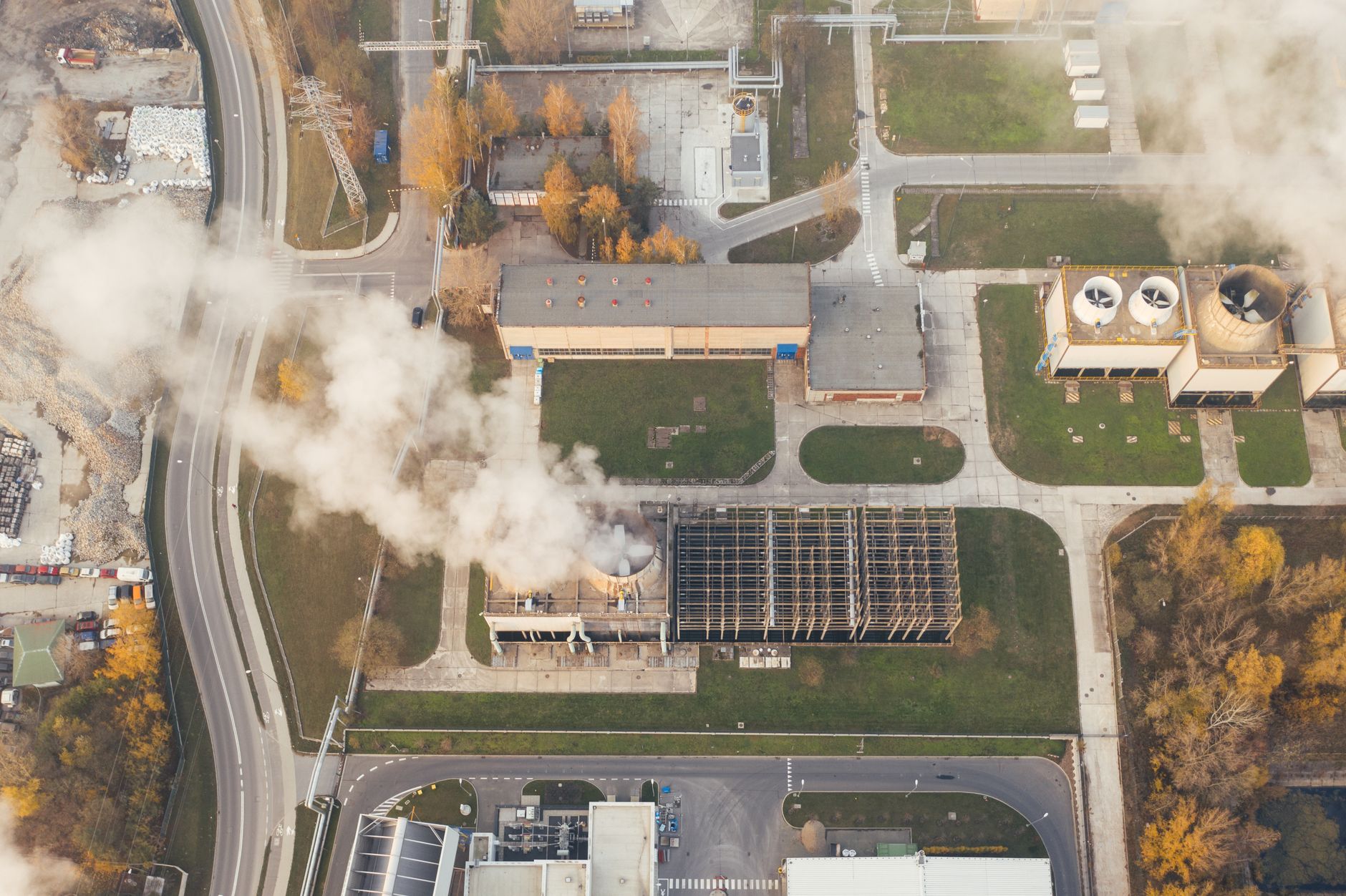

Amazon is moving forward with plans to build a massive data center in Pecos County, Texas, and the climate implications are staggering. At the heart of the project is an on-site natural gas power plant permitted to release up to 33 million tons of carbon dioxide per year. To put that in perspective, that figure would make it the single largest source of climate pollution from any power facility in the United States.
A Power Plant Built for One Customer
What makes this project unusual is the structure itself. Rather than drawing power from the existing Texas grid, Amazon is investing in dedicated on-site generation. A company spokesperson framed this as a consumer-friendly decision, noting the setup will not raise electricity costs for Texas families. That argument has some merit given the intense political scrutiny data centers currently face over their drain on local power infrastructure. But critics point out that offloading the cost to a private natural gas facility does not make the carbon footprint disappear. It simply moves accountability off the shared grid and onto Amazon’s balance sheet.
AI Is Already Pushing Amazon’s Emissions in the Wrong Direction
This development does not happen in a vacuum. Amazon already reported a 16 percent increase in its carbon emissions last year, a troubling trend for a company that publicly committed to achieving net-zero carbon emissions by 2040 under its own Climate Pledge initiative. The company co-founded that pledge in 2019 with Global Optimism, positioning itself as a corporate leader on sustainability. Now, with AI workloads demanding exponentially more computing power, that pledge is under serious strain. Amazon’s own spokesperson acknowledged the tension, saying the world looks different now than when the pledge was co-founded, while insisting the commitment has not changed. Those two statements are difficult to reconcile.
Amazon is not alone in this pivot. Across the tech sector, major cloud and AI companies are backing new natural gas infrastructure to meet surging energy demands. The scale of AI model training and inference requires consistent, high-volume power that renewable sources currently struggle to deliver with sufficient reliability. The result is a quiet but significant rollback of green energy timelines across some of the world’s most valuable companies.
What This Means for Consumers and Tech Buyers
For everyday consumers and businesses evaluating cloud platforms, this story adds a layer of complexity to purchasing decisions. More enterprise buyers are incorporating environmental, social, and governance criteria into vendor selection, and a data center of this carbon scale could influence how sustainability-focused organizations think about AWS contracts, cloud migrations, and AI service adoption. As the market for AI-powered tools expands rapidly, buyers who care about long-term environmental accountability will want to watch how Amazon responds to growing pressure. The gap between a company’s climate pledges and its actual infrastructure investments is becoming a meaningful signal for where to spend.