
A Merger Idea Moves From Rumor to Boardroom
Elon Musk has confirmed that Tesla and SpaceX have each formed special committees to explore a possible merger between the two companies. Speaking during SpaceX’s third quarter earnings call, Musk, who leads both firms, was careful to temper expectations. The committees have not agreed on terms, and there is no guarantee a deal will materialize. Still, he described the concept as “a good idea,” a remark that carries weight given how closely his attention is divided across the two businesses.
The timing adds intrigue. Analysts at Barclays recently suggested a combination could be announced ahead of Tesla’s annual shareholder meeting, scheduled for December 3, 2026. That date gives the committees a clear horizon, though corporate deals of this scale rarely follow a predictable calendar.
Why Combining Two Giants Is Complicated
On paper, the strategic logic is easy to sketch. Tesla generates substantial revenue from vehicles, energy storage, and its growing autonomy software, while SpaceX has built a launch business that has reshaped the economics of getting hardware into orbit. SpaceX has also reported that a surge in AI-related demand drove a sharp revenue jump, underscoring how its business has diversified well beyond rocket launches.
The obstacles are equally real. The two companies have different shareholder bases, valuation profiles, and regulatory exposures. A transaction between them would require independent special committees to negotiate in good faith, since Musk sits at the top of both organizations. That structure is designed to protect minority investors, but it also slows the process and makes the outcome harder to forecast. Any merged entity would face intense scrutiny from regulators and investors alike.
What This Means for Buyers and Adopters
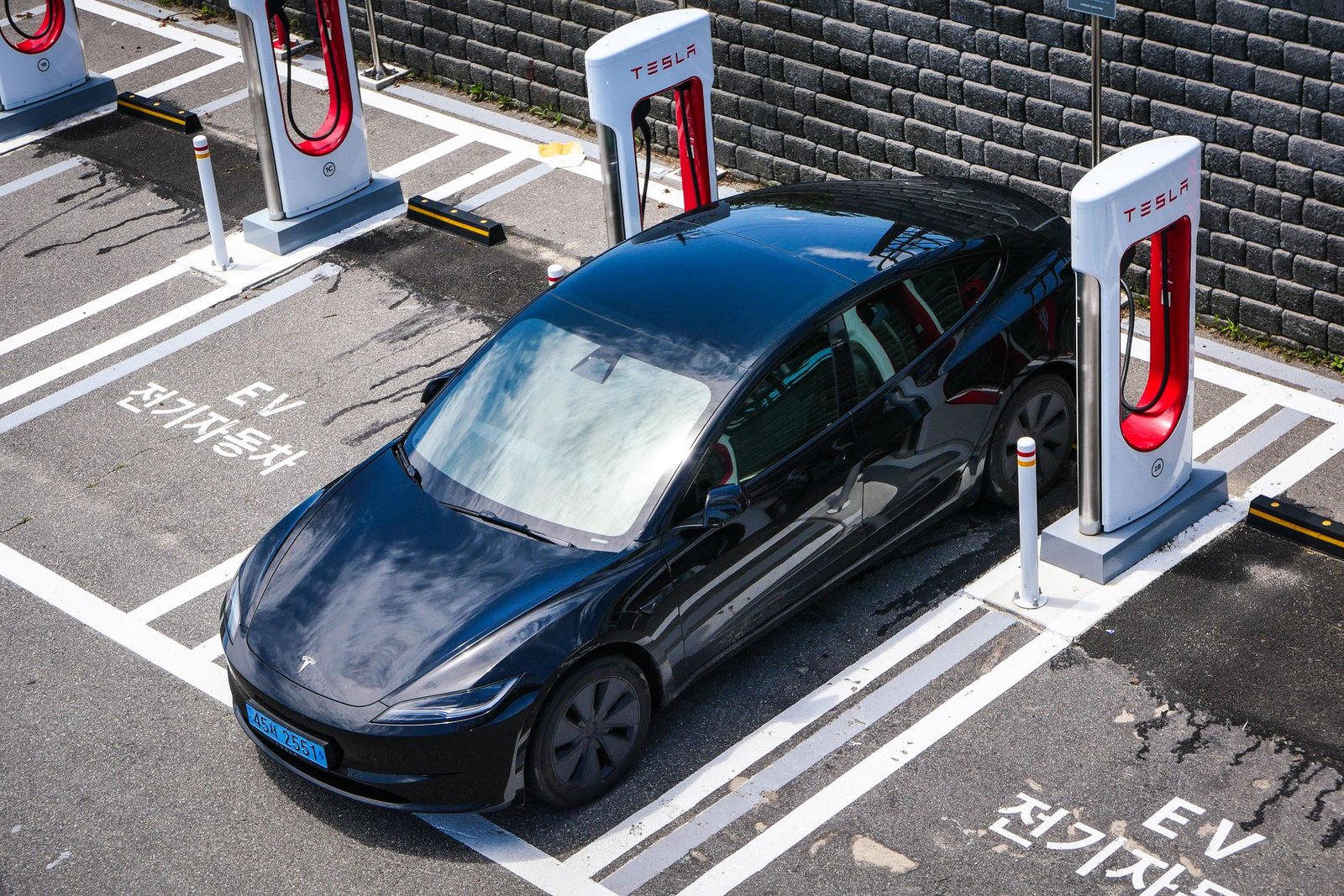
For the average consumer, a formal merger would not change the products on store shelves overnight. Tesla vehicles, Starlink subscriptions, and energy products would continue operating under their existing brands and contracts. Over the longer term, however, a combined company could accelerate integration between satellite connectivity and in-vehicle technology, a development that could shape how buyers evaluate connected cars and home energy systems. Shoppers weighing a Tesla purchase or a Starlink plan may want to watch these talks closely, because the terms that emerge could influence pricing, software roadmaps, and product bundling. For IntentBuy readers, the story is a reminder that the companies behind today’s most-searched gadgets and services are increasingly intertwined, and that major corporate moves can quickly ripple into buying decisions.