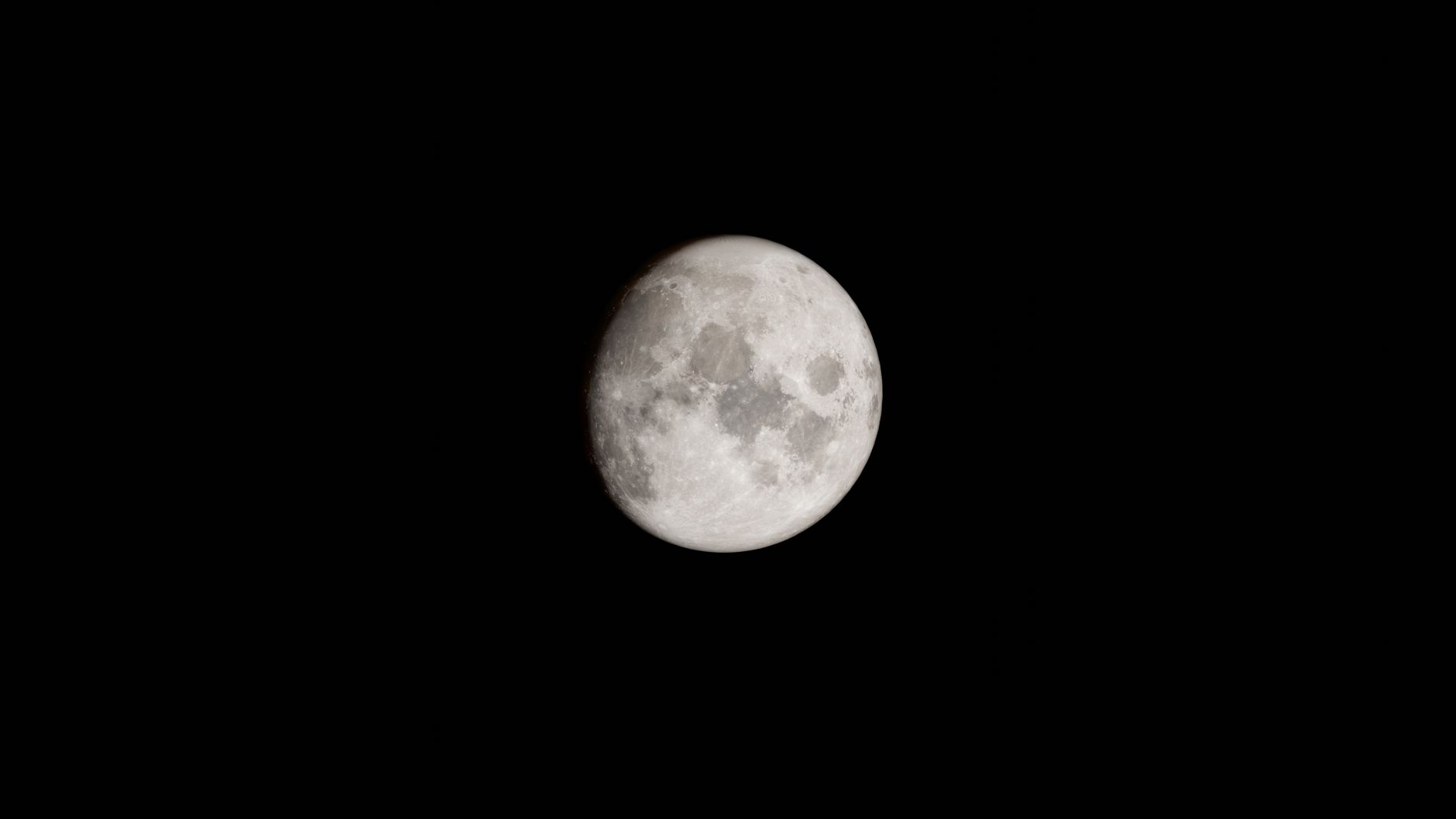

Space just got a little more dramatic. For the first time ever, we have actual photographs of the crater left behind after a SpaceX Falcon 9 rocket stage slammed into the lunar surface — and the images are as fascinating as they are humbling.
How We Got These Stunning Moon Crater Images
South Korea’s lunar orbiter, Danuri, operated by the Korea Aerospace Research Institute (KARI), flew over the impact zone shortly after the collision and snapped photos both before and after the event. At an altitude of roughly 62 miles above the moon’s surface, the orbiter was perfectly positioned to document history. The images clearly show signs of a fresh impact, consistent with what astronomers had predicted: a crater potentially dozens of feet wide and nearly 12 feet deep.
Adding to the visual evidence, astronomers using the Very Large Telescope detected sodium and lithium rising from the lunar surface immediately after impact — a chemical fingerprint that confirmed the strike was real. This multi-source confirmation is a great example of how modern space science works: orbiting hardware and ground-based telescopes teaming up to piece together a complete picture.
Why a SpaceX Rocket Ended Up Crashing Into the Moon
This wasn’t a planned landing. The Falcon 9 upper stage launched in January 2025 as part of a mission to deliver lunar landers. Because the mission required such a high-energy trajectory, SpaceX had no remaining fuel budget for a controlled deorbit burn — a maneuver that normally sends spent rocket stages safely into the ocean.
For over a year, the combined gravitational pull of Earth, the moon, and the sun gradually nudged the rocket off course until impact became inevitable. SpaceX acknowledged the situation openly, noting that on complex, high-energy missions, controlled disposal isn’t always possible. The company says it’s actively working with NASA to develop better disposal strategies for hardware left in deep space orbits.
To put the scale in perspective: the moon is about 2,160 miles in diameter. That crater, though geologically significant, is a tiny pinprick on an enormous surface — which is exactly what the new photos illustrate so vividly.
What This Means for the Future of Space Tech
This event is a turning point in the conversation about space debris and responsible launch practices. With lunar missions accelerating — from NASA’s Artemis program to commercial landers from multiple private companies — the risk of uncontrolled impacts on the moon is growing. Regulatory bodies and space agencies are now under pressure to establish clearer debris management standards before the moon becomes a junkyard.
For consumers and tech enthusiasts, this story connects directly to the growing ecosystem of space-related technology — from satellite internet services like Starlink to lunar payload delivery startups attracting serious investment. If you’re considering tech products powered by satellite infrastructure or tracking the next wave of space hardware innovation, now is the time to pay attention. The commercial space race is accelerating, and the products it produces are already landing in your hands.