
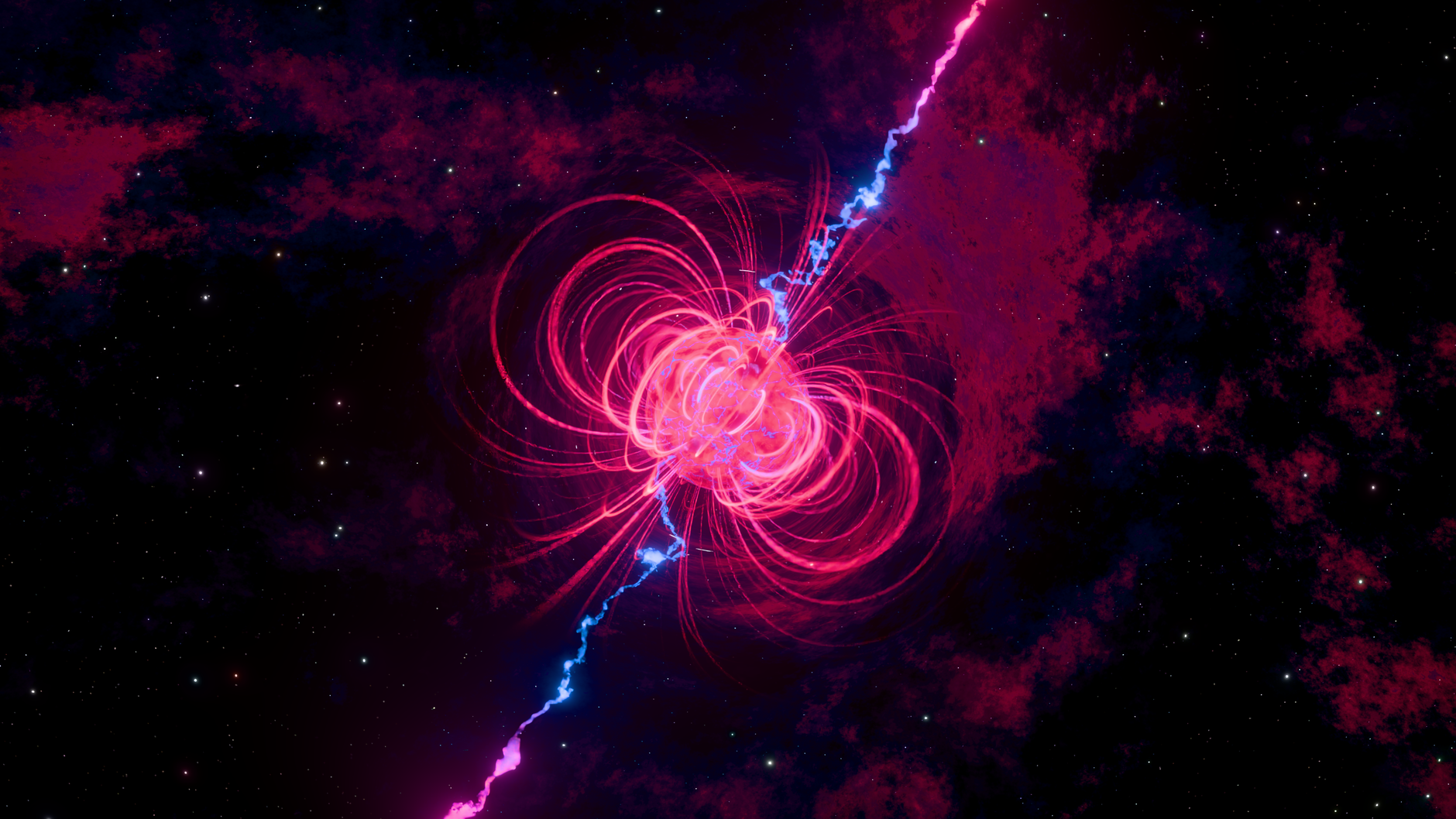

For over a century, scientists theorized that tiny, swirling plasma vortices existed on the surface of the Sun. Nobody had ever seen them — until now. The most detailed photograph of the Sun ever captured in visible light has finally confirmed what generations of astrophysicists could only predict through mathematics and models. This is not just a pretty picture. It is a scientific milestone that reshapes our understanding of the star that powers all life on Earth.
A Century of Theory, Finally Confirmed
The existence of small-scale plasma vortices on the solar surface had been proposed for more than 100 years, but the technology to observe them simply did not exist. These miniature magnetic tornadoes — far smaller than the sunspots visible to early astronomers — require extraordinary resolution to detect. The latest imaging breakthrough achieved a level of detail that allows scientists to resolve structures just a few kilometers wide on a star located approximately 93 million miles from Earth. That is a staggering technical achievement by any measure.
What makes this even more significant is that the image was captured in visible light, the same part of the electromagnetic spectrum that the human eye perceives. No exotic filters, no radio telescopes, no X-ray imaging — just an extraordinary instrument pushing the boundaries of what optical technology can accomplish. The result is imagery so precise it feels almost impossible.
Why Solar Plasma Vortices Actually Matter
These plasma vortices are not just visually striking — they may hold the key to one of solar physics’ longest-standing mysteries: why the Sun’s outer atmosphere, the corona, is dramatically hotter than its surface. The surface temperature sits around 5,500 degrees Celsius, while the corona can reach several million degrees. That temperature inversion has puzzled scientists for decades.
One leading hypothesis suggests that small-scale magnetic activity — exactly the kind generated by plasma vortices — transfers energy outward into the corona through a process called wave heating. Confirming that these vortices exist and behave as predicted gives researchers a concrete target to study, model, and ultimately understand. Better solar models also mean better space weather forecasting, which directly affects satellite communications, GPS accuracy, and even power grid stability here on Earth.
What This Means for Solar Technology and the Future
Understanding the Sun at this level of detail has cascading implications for technology adoption across multiple sectors. Space weather prediction is already a growing field, with private companies and government agencies investing heavily in forecasting tools that protect infrastructure from solar storms. More accurate solar models feed directly into better prediction algorithms, which in turn protect the satellites and networks consumers depend on daily.
For tech enthusiasts and early adopters, this discovery signals an exciting era of solar research that will accelerate demand for advanced imaging instruments, space-grade components, and next-generation observatories. If you follow emerging technology or invest in space-adjacent hardware and software, the tools enabling discoveries like this are already entering the commercial conversation — and the market is paying close attention.