

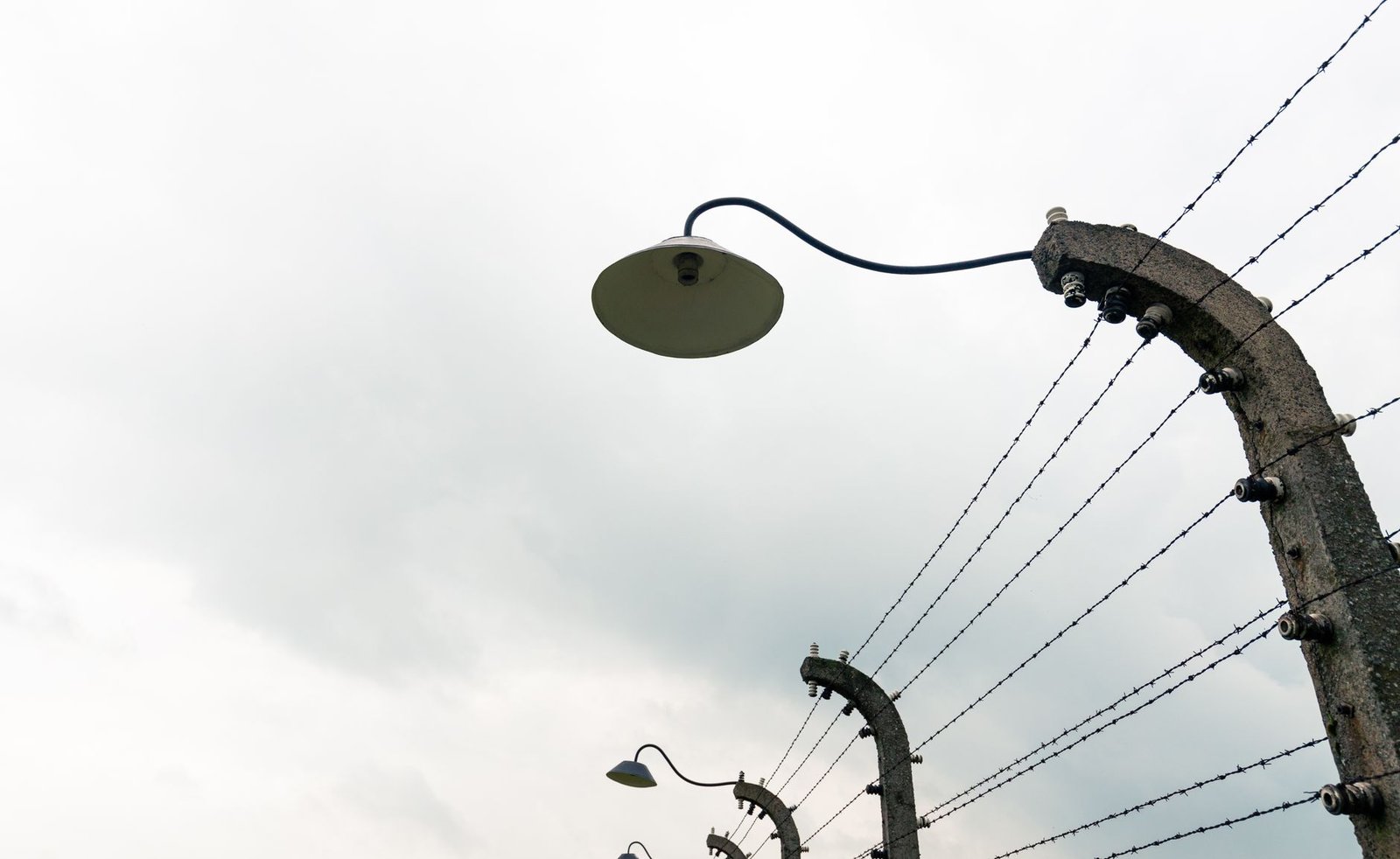

A Democratic congresswoman from Illinois has introduced a proposal to terminate the United States border surveillance tower program, a network of cameras and sensors that has cost taxpayers over one billion dollars since its rollout more than a decade ago. The move follows a detailed investigation revealing that nearly one in four migrant deaths analyzed between 2015 and early 2026 occurred within the advertised detection range of these towers, raising urgent questions about whether the technology has ever delivered on its promises.
A Billion-Dollar Program Under Serious Scrutiny
Representative Delia Ramirez, who sits on the House Homeland Security Committee, made her announcement at a Chicago press conference, stating plainly that the towers simply do not work. The towers were sold to the American public as a high-tech solution to border security, capable of detecting movement and alerting agents in time to intervene. Instead, the data tells a different story. Approximately 1,100 people died within range of these systems over roughly a decade, and the Department of Homeland Security has no formal process for tracking those deaths or measuring the effectiveness of the technology against any defined standard.
That accountability gap is striking on its own. When public agencies spend federal dollars on technology, there is a reasonable expectation of outcome measurement. Without that, there is no way to know whether the investment saved lives, cost lives, or simply had no effect at all.
The Reimagining Safety Act and What It Would Change
The proposed legislation, called the Reimagining Safety Act, goes well beyond scrapping the tower program. It forms part of a broader effort to dissolve the Department of Homeland Security entirely and redistribute its functions across other federal agencies. CISA, FEMA, TSA, and customs operations would each move to existing departments, while a new Department of Community Safety would take shape in DHS’s place.
Advocacy organizations including Just Futures Law and Mijente helped shape the proposal, reflecting a coalition that blends immigrant rights concerns with broader questions about civil liberties and the militarization of border enforcement. Ramirez herself acknowledged the political difficulty ahead, noting that even some Democrats prefer reforming DHS rather than dismantling it. Bills to abolish DHS have been introduced before without gaining traction, and this one faces a steep climb in the current congressional environment.
Technology Spending Without Results Is a Policy Problem
The border tower program is a pointed example of a pattern that appears across government technology procurement: large contracts, ambitious promises, and limited post-deployment accountability. The towers were built using sensor and camera technology from major defense and security contractors, representing the same category of integrated surveillance infrastructure now being considered by municipalities and federal agencies for applications ranging from public safety to infrastructure monitoring.
For buyers evaluating surveillance and detection technology, this story matters directly. Performance metrics, independent audits, and clear outcome benchmarks are no longer optional considerations when selecting security tech. Whether you are a government agency or a private organization, the question is not just whether the hardware works in a demo environment. It is whether the system delivers measurable results where it counts most.