
A Fresh Look With a Familiar Feel
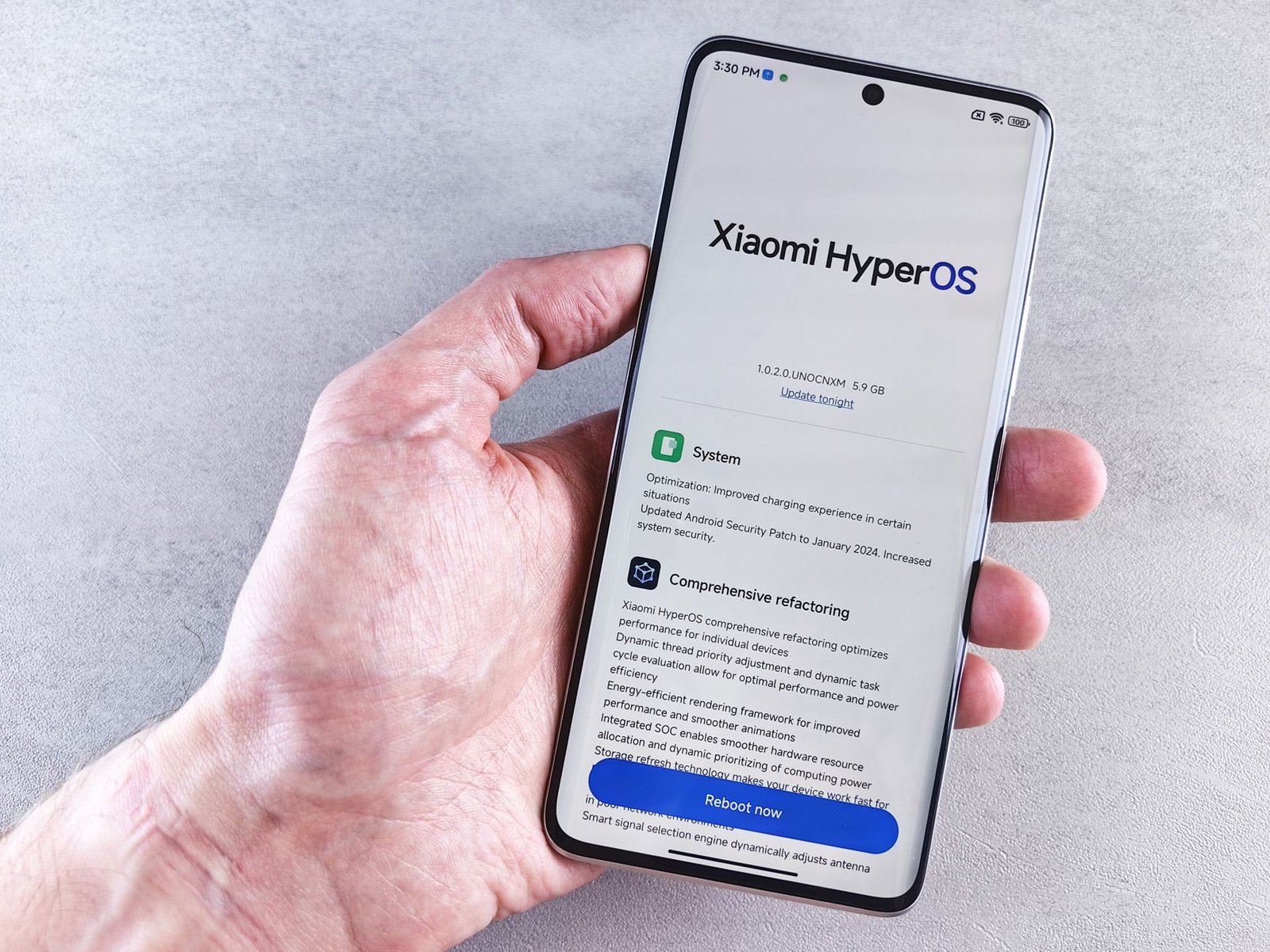
Xiaomi has begun pushing its HyperOS 4 update to owners in China, and the headline feature is hard to miss. The new interface, which the company calls Soft Light Glass, uses a translucent material that shifts its transparency depending on the colors and content sitting behind it. Plenty of people have already drawn comparisons to Apple’s Liquid Glass design, and the lock screen clock can now be resized, moved, and restyled, much like what iPhone users get with iOS 26. It is a playful refresh that makes everyday screens feel lively.
Under the surface, Xiaomi says the update also improves day-to-day performance. The company claims HyperOS 4 leaves 27.2 percent more memory free after eight hours of use and opens apps 17.5 percent faster after long sessions. Those numbers come from Xiaomi itself, so real-world results will matter, but they point to a serious effort to keep flagship phones feeling quick long after purchase. The voice assistant, Super XiaoAI 2.0, is also getting a major upgrade with its own MiMo AI model and an Expert Mode that can handle multi-step tasks across apps, though most of those AI features are limited to China for now.
Who Gets Left Behind
The rollout is not reaching everyone. The first wave went to the Xiaomi 17 series, the Redmi K100 and K90 lines, and the Xiaomi Pad 8, with a long schedule of China releases stretching through January 2027. Xiaomi’s official list covers 57 phones and 15 tablets in total, which is a generous commitment. Still, older devices such as the Xiaomi 12 and 12T have reached or are about to reach the end of software support, meaning they will not receive HyperOS 4 at all. Several cheaper models still inside their support windows, including the Redmi Note 13 Pro 4G, Redmi Note 14S, and Poco X6 5G, have not appeared in any HyperOS 4 testing, and Xiaomi has not said whether they will be included.
Global availability is another open question. A beta opened in September for the Xiaomi 17 and a few other models, but no worldwide release date has been announced, and markets such as India are still waiting for a timeline. Anyone outside China should keep an eye on official updates before assuming a particular phone will get the new software anytime soon.
What This Means for Your Next Phone
For shoppers, this update is a reminder that software support is now one of the most important specs you can compare. Xiaomi’s security promises have grown, with the Xiaomi 15 offering four OS updates and six years of security patches, but Samsung and Google now commit to seven years on their flagships. If you plan to keep a phone for several years, check the end-of-support date on Xiaomi’s security center before you buy, and weigh that timeline as heavily as the camera or chip. Phones that stop receiving security patches become a growing risk, no matter how good their hardware still feels.
The best time to shop is when you know exactly which update path a device will follow. If you are eyeing a new Xiaomi, the 17 series is clearly first in line for HyperOS 4, while older mid-range models deserve closer scrutiny. Reading the update schedule and the support window together can save you from an expensive surprise, and it turns a routine software announcement into a smarter purchase decision.