
What the Sunset Timeline Actually Means
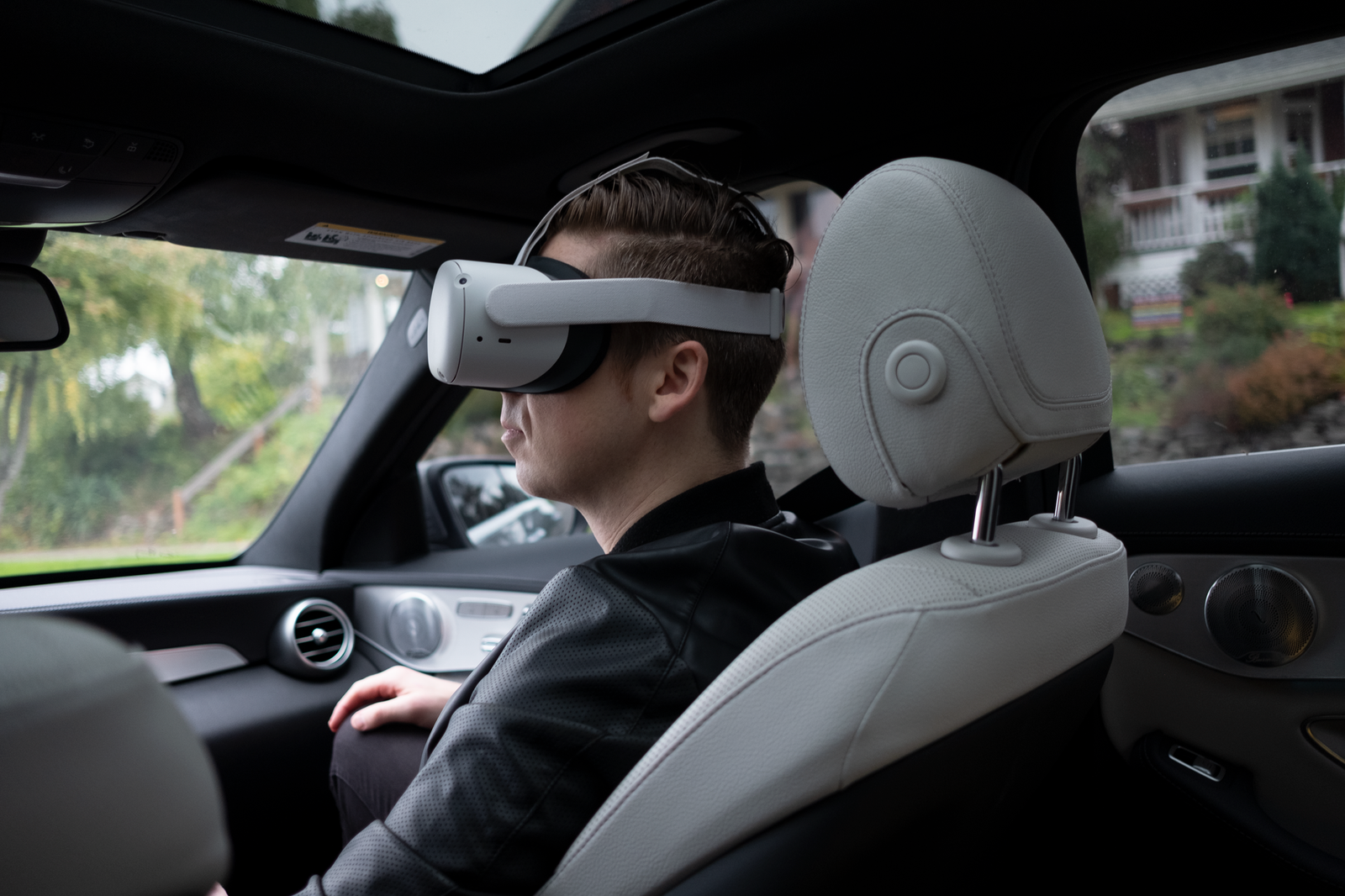
Meta has confirmed that the Quest 2 and Quest Pro will receive their final operating system updates in March 2027. That date marks the end of new features for two headsets that once defined the mainstream virtual reality market. The company is still committing to security patches and bug fixes through the end of 2027, which gives owners a defined window of protection before the hardware is fully left behind. For anyone still using these devices daily, the practical change is that the platform will stop evolving while the basics keep working.
The developer timeline is tighter. December 2027 is the last opportunity to submit new applications for either headset. Existing apps remain available for purchase, and they can still receive updates after support officially ends. Cross-play with the Quest 3 and Quest 3S will also continue, which means the ecosystem does not collapse overnight. Still, a store that stops accepting new titles tends to see its catalog stagnate, and that slow drift is often how older hardware loses its appeal.
Why Millions of Owners Are Affected
The Quest 2 launched in 2020 and the Quest Pro followed in 2022. Meta says millions of people still use them, which makes this more than a niche announcement. Many of those users bought at a time when VR was expanding rapidly, and their headsets have been the main gateway into immersive gaming, fitness apps, and remote collaboration. A device that gets no new features but still functions is a very different proposition from one that is abandoned, and the distinction matters for anyone weighing whether to keep using theirs.
There is also a broader pattern here. Hardware platforms rarely die in a single announcement. They fade through a sequence of decisions: first the feature freeze, then the end of new submissions, then the final security patch. Each step signals to developers and buyers where the company’s attention has moved. In this case, that attention is clearly shifting toward newer headsets and the company’s growing wearables lineup, including the recently added Meta Glasses.
What This Signals for Future Buyers
For shoppers, the lesson is that VR hardware carries a shorter useful life than many traditional electronics. A headset purchased today will likely receive full feature support for several years, but the window between launch and the end of meaningful updates is narrower than most laptops or phones. Anyone comparing a Quest 3 or a future model against older stock should factor in how long the manufacturer plans to maintain the platform, not just the upfront price. That calculation can change the value of a discounted older unit considerably.
This is where the buying intent question becomes practical. Consumers researching VR headsets now have a clearer reference point for what end of feature development looks like in real terms. Those planning a purchase, upgrading from an older Quest, or deciding whether a secondhand headset is worth the money can use this timeline as a guide. The sunset of two popular devices is a reminder that tech adoption depends as much on long-term platform commitment as on the specifications printed on the box.