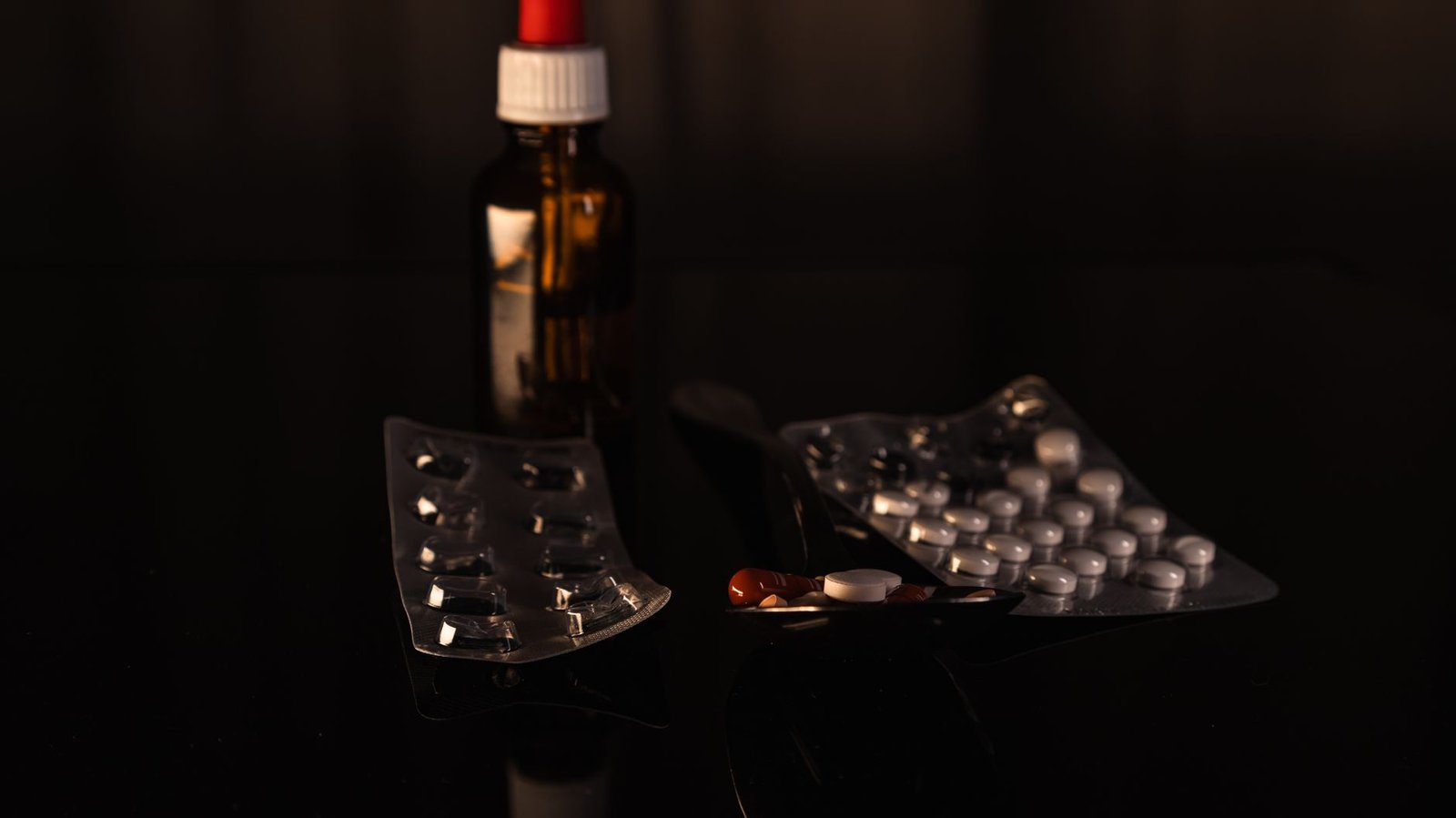

Americans already carry one of the heaviest healthcare cost burdens in the developed world, and prescription drug pricing sits at the center of that crisis. While political debates tend to circle around insurance systems and hospital billing, a quieter and more calculated strategy has been playing out inside patent offices for decades. Pharmaceutical companies have been engineering legal moats around their products, and the data now confirms just how aggressively that tactic has grown.
The Numbers Behind the Patent Explosion
A major new study published in JAMA reveals that the average number of patents attached to a single small-molecule drug has more than tripled since 1990. In that year, a typical approved drug carried around 2.1 patents. By 2019, that figure had climbed to 6.9 patents per drug. That is not a modest increase. That is a systemic transformation of how pharmaceutical companies protect their revenue streams.
The bulk of that growth comes from what researchers classify as nonprimary patents. These are not patents on the core active ingredient that actually makes a drug work. Instead, they cover things like minor adjustments to inactive ingredients, updated dosage instructions, new delivery formats, or the physical design of devices like auto-injectors. Individually, each of these additions might seem minor. Collectively, they form what experts call a patent thicket, a dense wall of overlapping protections that makes it extraordinarily difficult for generic drug manufacturers to enter the market.
What a Patent Thicket Actually Costs You
Generic drugs typically enter the market at 80 to 85 percent lower prices than their brand-name counterparts, according to the FDA. Every year that a patent thicket successfully delays generic competition is a year that patients, insurers, and government programs pay inflated prices without receiving any new clinical benefit. The strategy is entirely legal, but it is designed specifically to extend profitability far beyond what the original innovation would normally justify.
Consider that many of the most expensive drugs in the United States, including certain biologics and specialty medications, carry dozens of patents. Humira, one of the best-selling drugs in history, reportedly had over 130 patents filed around it, delaying biosimilar competition in the US for years longer than in Europe. That gap in market entry translates directly into billions of dollars in excess spending by American consumers and healthcare systems.
Why This Matters for How You Choose Healthcare Products
For consumers navigating healthcare decisions, understanding the patent landscape is increasingly relevant to making informed purchasing choices. When a brand-name drug dominates the market without generic alternatives, out-of-pocket costs rise sharply, insurance premiums follow, and patient adherence to treatment drops. Knowing whether a generic option exists, or when one is expected to become available, can meaningfully shape decisions about prescription drug plans, pharmacy choices, and healthcare cost management tools. As patent reform conversations gain momentum in Washington, consumers who stay informed will be better positioned to act quickly when affordable alternatives finally reach pharmacy shelves.