

The Quiet Fragility Beneath Modern Government
For a few hours this week, large parts of the modern administrative state simply stopped. Courts sent jurors home, hospital staff reached for paper charts, and school districts told parents to phone in. The culprit was not a hostile hacker or a rogue AI system. It was a failure tied to a network capacity upgrade, followed by the kind of cascading breakdown that happens when thousands of systems quietly depend on the same provider. Microsoft says service has now been fully restored, but the episode has left a lingering question: how much of our public and private infrastructure rests on a handful of platforms that most people never think about until they fail?
The scale is hard to overstate. Microsoft reports roughly 430 million people using its Microsoft 365 apps, and more than 450 million paid commercial subscriptions across its 365 services. When a platform of that size stumbles, the failure does not stay contained to one office or one country. Downdetector logged complaints from users in more than seventy countries and territories, and governments from Tokyo to London to Canberra reported operational disruption. The lesson is less about any single company and more about how efficiency gains in digital services have quietly converted into concentrated risk.
Why Concentration Is the Real Story
Engineers have long understood that complex systems fail in surprising ways, usually at the seams between components rather than inside them. As security researcher Steven Murdoch of University College London put it, large outages tend to come from unexpected interactions between systems that are each well understood on their own. That observation matters because it suggests the answer is not simply to demand fewer bugs. Every large platform will eventually have a bad day. The more useful question is what happens around it.
Here the political reaction is instructive. Former House of Lords AI committee chair Tim Clement-Jones described the outage as an I-told-you-so moment, pointing to Britain’s reliance on American technology for essential services. Jeremy Singer at the University of Glasgow made a similar point about the need for more resilience across the IT ecosystem. Expect this argument to move from conference panels into procurement rules. Governments that once optimized purely for cost and convenience may start requiring fallback channels, offline continuity plans, and multi-vendor architectures for critical functions.
What Comes Next for Buyers and Adopters
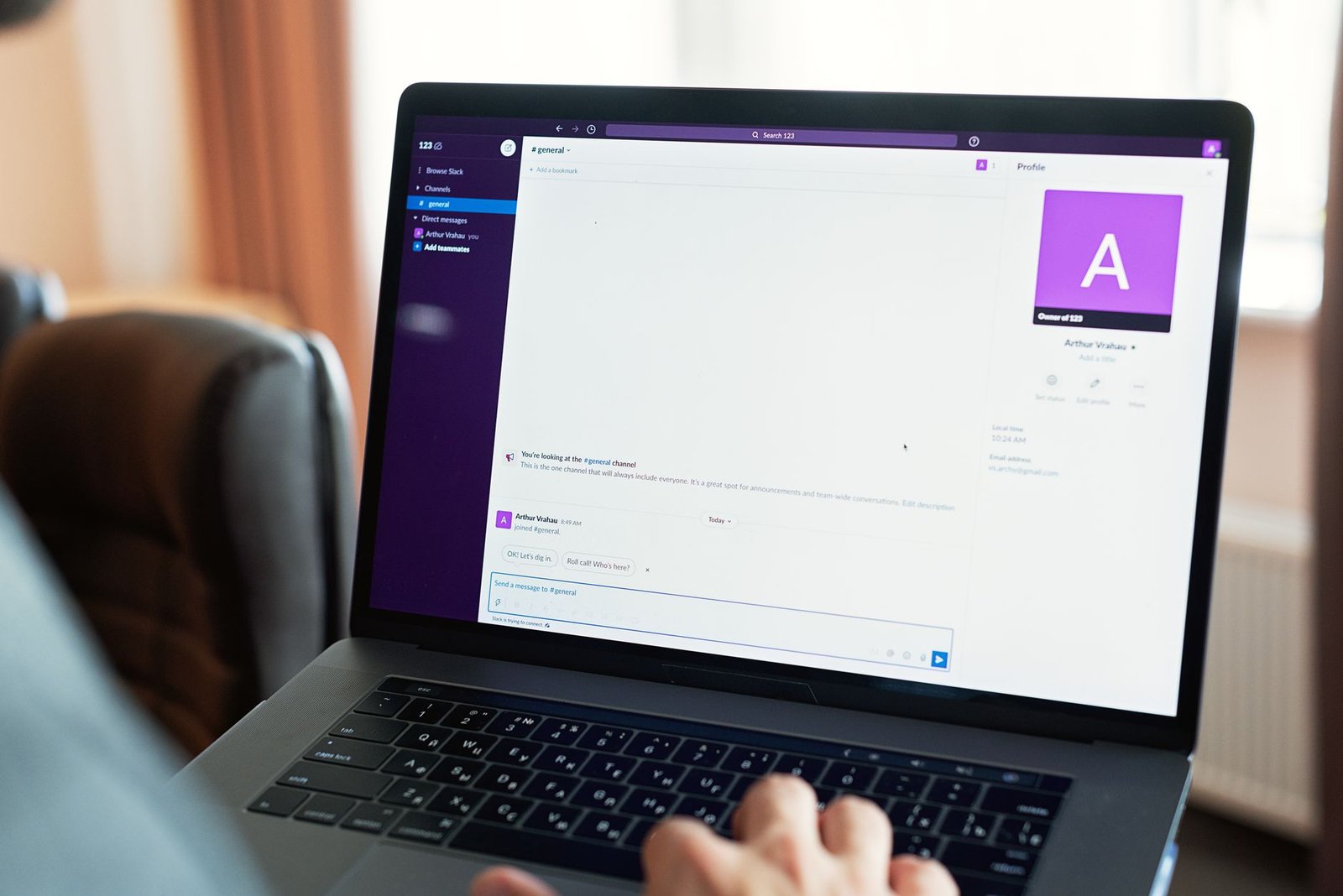
For businesses and individuals, the practical takeaway is that convenience and resilience are now a trade-off that deserves explicit attention. A bundled productivity suite delivers email, calendars, file storage, video calls, and increasingly AI assistants in one place, which is precisely why its failure cascades so broadly. Some organizations will respond by keeping secondary communication tools on hand, maintaining local copies of critical documents, or writing manual procedures for the hours when the cloud goes dark. Others will begin asking vendors harder questions about change management and staged network upgrades, the very category of failure Microsoft identified in this case.
This is where the story connects directly to buying behavior. Expect rising demand for backup communication software, redundant storage, and resilience-focused IT consulting, especially among public agencies and mid-sized firms that cannot absorb a day of lost productivity. Watch also for a quieter shift in how enterprises evaluate cloud contracts, weighting uptime guarantees and disaster recovery terms more heavily than feature lists. At IntentBuy we see this as a moment when resilience itself becomes a purchasing criterion, and the teams that plan for the next outage today will be the ones shopping with confidence tomorrow.