
The Economics of Public Humiliation
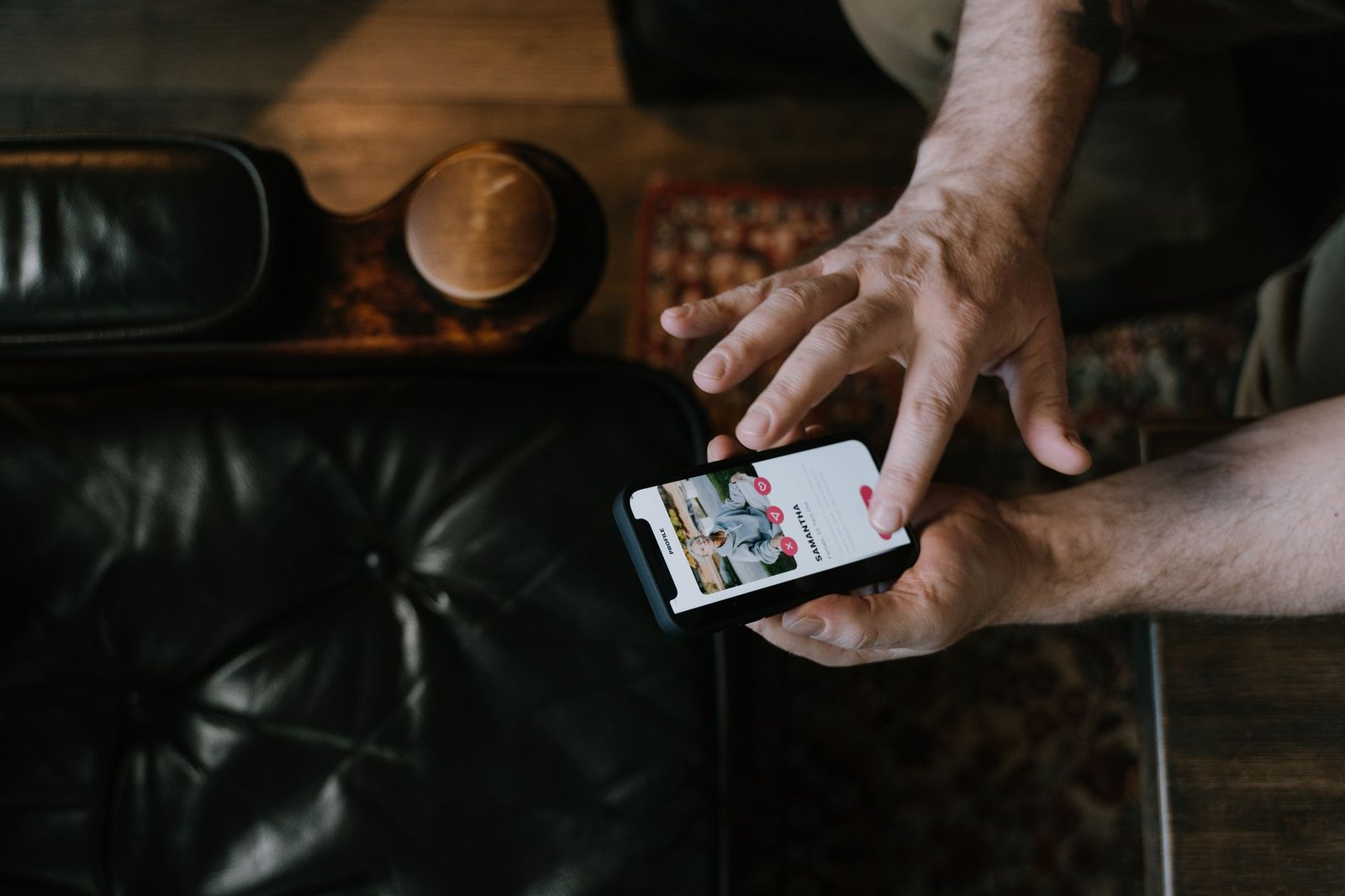
For a certain class of content creator, a stranger’s bad dating profile is a gift. A cringey opening line, a red-flag prompt answer, or a private message that reads badly out of context can be turned into a video in minutes and shared with hundreds of thousands of viewers. Screenshots are the raw material, and the audience supplies the engagement. The model is simple, which is part of why it has spread so quickly across TikTok and X. Yet the same mechanics that make dunking profitable also make it harmful, because the person being mocked rarely agreed to become part of the show.
Some creators have built genuine audiences around this format. Accounts dedicated to collecting absurd prompts or dissecting messages from matches have become brands in their own right. Dating coaches have used the same tactics, posting private conversations of clients to illustrate lessons about flirting or masculinity. The line between education and exposure is thin, and many viewers now sense that it has been crossed. That unease is what is driving the current pushback.
Why Hinge’s Test Matters Beyond India
Hinge’s decision to pilot screenshot protection in India marks a meaningful shift for a mainstream dating platform. The feature will block screenshots on surfaces that display personally identifiable profile information, including Discover, Likes You, and Standouts. Raya and Grindr already offer similar protections, but Hinge has a far larger user base, with the company reporting roughly 30 million people using the app. Whether the test expands will depend on the data the company gathers, and Hinge has said there are no current plans to bring the feature to the United States or other regions.
The debate is not only about entertainment. Researchers have pointed out that screenshots allow a recipient to store and redistribute private conversations without the sender’s knowledge or consent. A 2025 study in the Journal of Computer-Mediated Communication described this as a kind of privacy turbulence, in which a shared boundary of control disappears and the original context is stripped away. At the same time, many users, particularly women, rely on screenshots as a safety tool when vetting matches or warning friends about harassment. Protecting one group’s privacy can complicate another group’s ability to protect itself, and that tension sits at the heart of the issue.
The Consumer Signal Behind the Backlash
For companies building products around intimacy, trust, and identity, this moment carries a clear lesson. Users are increasingly aware of how their data and personal disclosures can be repurposed, and they are beginning to reward platforms that give them more control. Features such as screenshot protection, comment filters, and reporting tools are no longer niche add-ons. They are becoming part of the value proposition that determines whether people feel safe enough to stay, pay, and recommend an app. Dating platforms that ignore this shift risk losing users to competitors that take privacy seriously, and the same logic applies well beyond romance apps to any service that handles personal conversations. As privacy expectations rise, the products that earn consumer trust are likely to be the ones that win long-term adoption and spending.