
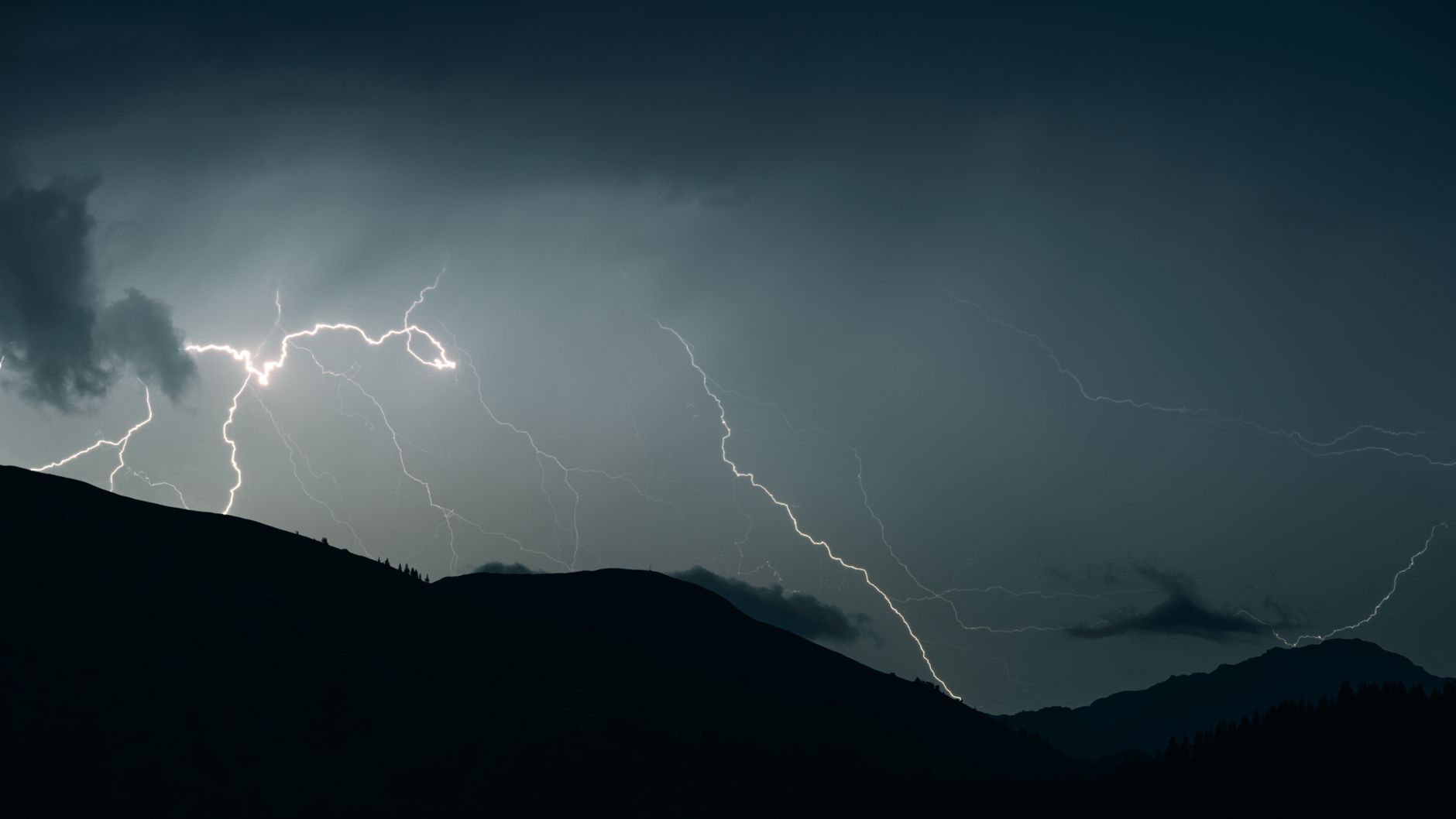

When Hurricane Melissa formed over the Caribbean in October 2025, the models disagreed. Some pointed toward Haiti. Others shrugged. But DeepMind’s WeatherNext AI model made a bold, precise call: Jamaica, Category 5, in five days. It was right — and that single extra day of accurate warning may have saved lives.
Why One Extra Day Changes Everything
Emergency managers and meteorologists will tell you that lead time is everything. Evacuation orders, shelter coordination, supply staging — none of it happens instantly. Historically, each additional day of accurate forecasting translates into dramatically better disaster response outcomes. Studies on hurricane preparedness consistently show that moving evacuation timelines even 12 to 24 hours earlier can reduce casualties by double-digit percentages in vulnerable coastal regions.
WeatherNext doesn’t just inch the needle forward. According to research published in Nature, the model delivers predictions three days out that are as accurate as what legacy models produce at two days. That’s a full 24-hour compression of uncertainty — a significant leap in a field where incremental improvements are celebrated over decades.
How DeepMind’s Model Breaks the Old Mold
Traditional numerical weather prediction relies on physics-based simulations that require enormous computational resources and still struggle with complex, rapidly evolving storm systems. AI models like WeatherNext are trained on decades of historical atmospheric data, learning patterns that classical equations miss or approximate poorly.
The result is a system that can assign 80 percent confidence to a specific landfall prediction five days in advance — something that would have been considered aspirational, if not reckless, in conventional forecasting circles. Weather scientists have openly expressed surprise at the model’s cyclone-tracking performance, which suggests the AI has internalized atmospheric dynamics in ways that even experienced researchers are still unpacking.
DeepMind and Google Research’s collaboration here also signals something broader: that foundation models built for general pattern recognition can be refined into domain-specific tools that outperform purpose-built legacy systems. That’s a template likely to repeat across climate science, seismology, and beyond.
What This Means for Technology Buyers and Early Adopters
The implications extend well past government weather agencies. Insurance companies, logistics operators, agriculture platforms, and travel tech firms all rely on weather data to price risk, route shipments, and plan operations. As AI-powered forecasting tools become commercially available, businesses that integrate superior predictive data early will hold a measurable competitive edge.
For consumers and enterprise buyers evaluating AI-powered platforms, WeatherNext is a vivid proof point: AI can now outperform entrenched expert systems in high-stakes, data-rich domains. If you’re assessing which AI tools to adopt — whether for climate risk, supply chain resilience, or smart infrastructure — this breakthrough is exactly the kind of real-world validation that should accelerate your decision-making timeline. The AI weather revolution isn’t coming. It already made landfall.