

The legal war between Elon Musk and the AI establishment just got a little more uneven. Apple has quietly found its exit from Musk’s antitrust lawsuit, leaving OpenAI to face the fight alone. For anyone tracking the AI industry’s shifting power dynamics, this development deserves a closer look than it has received.
How This Legal Battle Started and Why It Matters
When Apple announced its partnership with OpenAI in 2024, folding ChatGPT into core iPhone features through Apple Intelligence, Musk was furious. He called the integration a form of “creepy spyware” and warned that iPhones would be banned from his companies if the deal moved forward. By 2025, his frustration had hardened into a formal antitrust lawsuit, claiming the Apple-OpenAI partnership created an illegal monopoly over AI prompts generated by iPhone users, effectively locking competitors out of one of the world’s most lucrative consumer platforms.
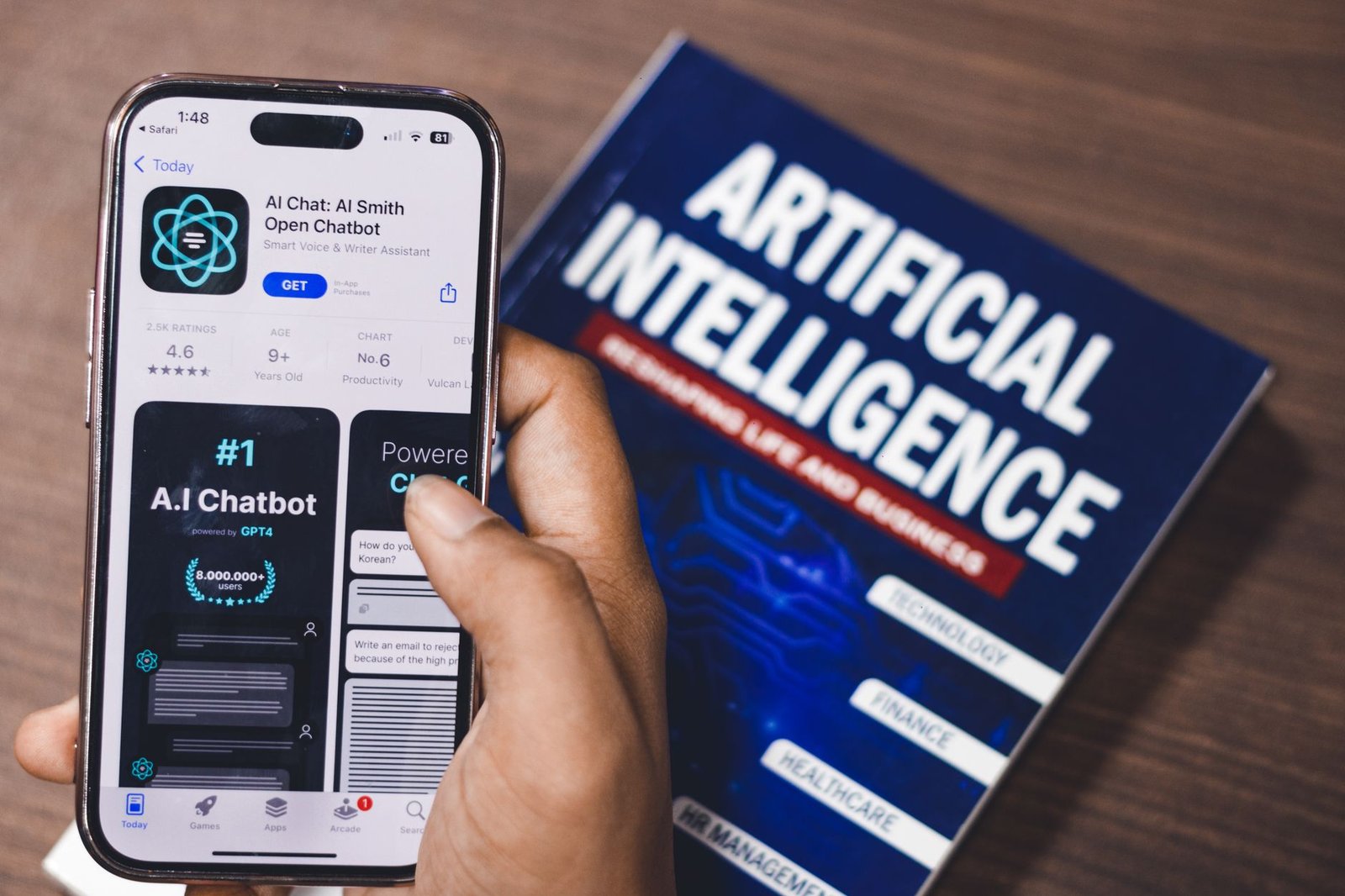
The lawsuit also took aim at App Store rankings. Musk argued that Apple was making it structurally impossible for rival AI apps, including his own Grok chatbot, to reach the top spot. Whether or not that claim holds legal weight, it reflects a broader anxiety in the AI industry about platform gatekeeping. Apple controls what over one billion active iPhone users see and install, and that kind of leverage is genuinely significant.
Apple’s Exit and What It Signals About Big Tech Strategy
Apple’s ability to disentangle itself from this lawsuit while OpenAI remains named is telling. It suggests Apple may have successfully argued its role was more passive, a distribution partner rather than an anticompetitive actor. This is a distinction that matters enormously in antitrust law, where intent and structural harm must be demonstrated with precision.
For Apple, avoiding prolonged litigation is consistent with its broader strategy of staying above the fray. The company has faced its own antitrust scrutiny over the App Store for years, including a landmark case brought by Epic Games, so the last thing its legal team wants is fresh exposure. Getting out early was almost certainly the pragmatic move.
OpenAI, meanwhile, faces the less comfortable position of defending its partnership deals in court. The company is already navigating questions about its nonprofit-to-commercial transition, governance battles, and competition from Google, Meta, and Anthropic. A drawn-out antitrust case adds friction at a moment when OpenAI needs focus.
What This Means for Consumers Choosing AI Tools in 2025
For everyday users, this legal drama has real implications. If courts ultimately find that Apple’s AI integrations restrict competition, it could open the door for alternative AI assistants to gain better visibility and fairer placement across Apple’s ecosystem. That would mean more genuine choice when deciding which AI tools to trust with your searches, writing, and personal data.
Right now, consumers shopping for AI-powered devices or subscriptions should pay attention to which platforms offer genuine openness versus those that quietly favor one provider. The outcome of this case may shape those options significantly over the next few years.